Clear Sky Science · en
ATRA-mediated RAR-α activation attenuates acrylamide-induced testicular toxicity
Why everyday chemicals and vitamins may matter for male health
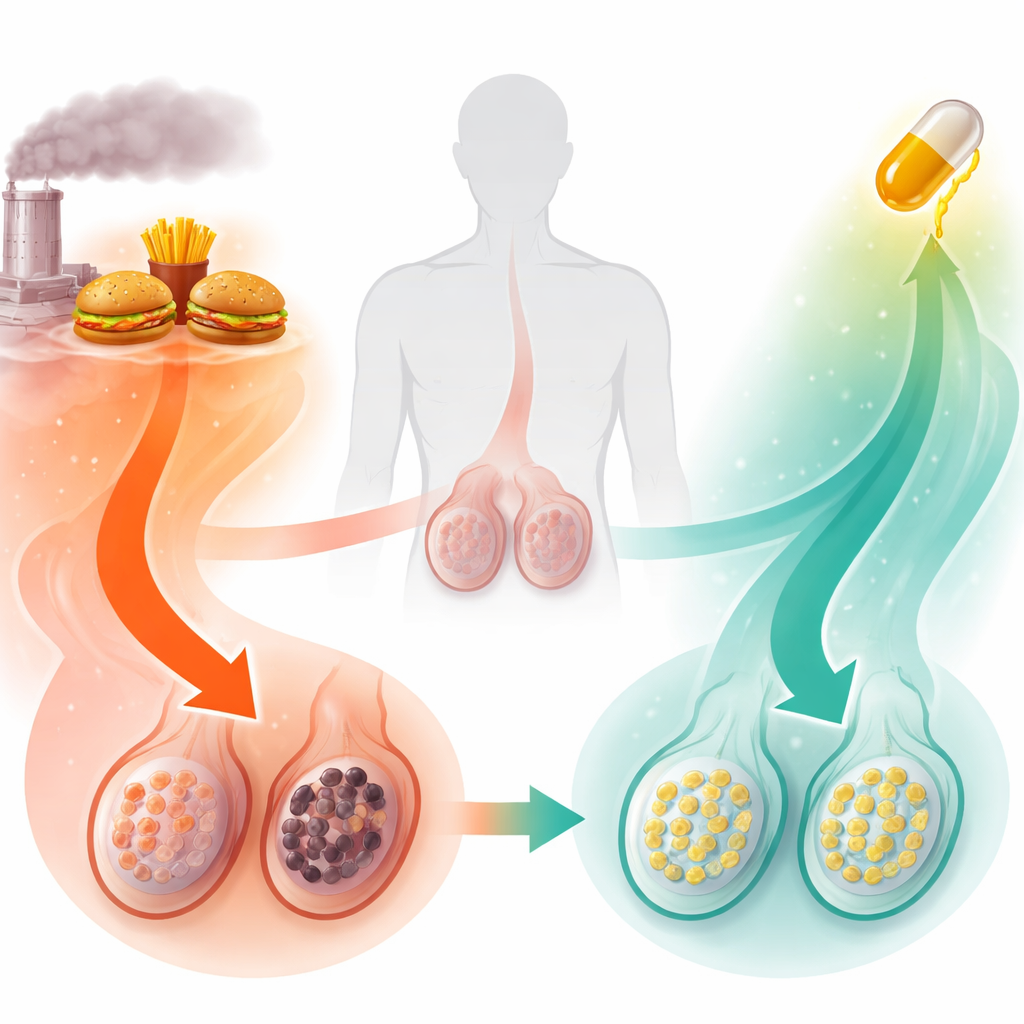
Many people have heard that certain cooking methods or industrial chemicals can be bad for health, but the impact on male fertility is less widely known. This study explores how acrylamide—a compound found in cigarette smoke, industrial processes, and browned foods like fries and chips—can damage the testes in rats, and how a vitamin A–derived substance, all-trans retinoic acid (ATRA), can soften that blow. The work offers clues that everyday exposures might affect sperm quality, and that carefully used vitamin-based treatments could one day help protect reproductive health.
A common chemical with a hidden downside
Acrylamide is widely used in industry and also forms when starchy foods are cooked at high temperatures. Previous animal studies linked it to nerve damage, cancer, and poorer sperm quality, but the exact steps by which it harms the testes were not fully understood. In particular, scientists suspected that acrylamide might interfere with key "control switches" inside testicular cells that guide hormone production, protect against stress, and support sperm development. One such switch is a receptor that responds to vitamin A–related molecules and helps coordinate the complex cycle of sperm formation.
A vitamin A cousin put to the test
To probe these ideas, the researchers worked with fifty male rats divided into five groups. Some rats served as untreated controls or received only the solvent used to dissolve drugs. One group was given acrylamide daily for two weeks, another received ATRA alone, and a final group received ATRA before each acrylamide dose. The team tracked body and testis weight, sperm count and movement, and levels of key reproductive hormones in the blood. They also measured markers of chemical stress, inflammation, and cell death in testicular tissue, and examined the microscopic structure of the testes. A special staining method was used to visualize how strongly the vitamin A–related receptor, called RAR‑α, was present in the testes.
How acrylamide weakens the testes
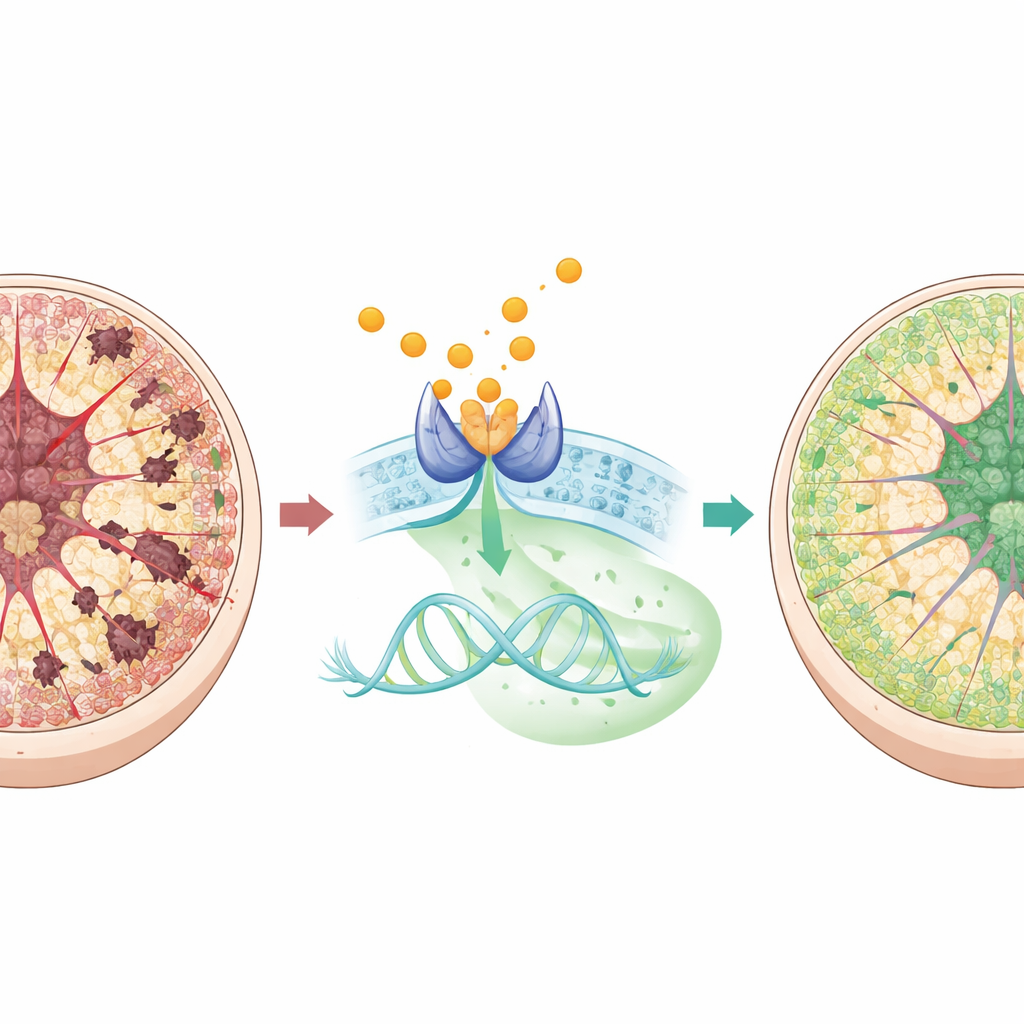
Rats exposed to acrylamide alone showed a broad decline in reproductive health. Their body and testis weights fell, and both sperm count and sperm motility dropped almost by half. Blood levels of testosterone and follicle-stimulating hormone were reduced, while another hormone, luteinizing hormone, rose, signaling stress on the hormone-regulating system. Inside the testes, a key enzyme linked to healthy sperm, LDH-X, was markedly lower. Chemical analyses revealed strong signs of oxidative stress: protective molecules such as glutathione and enzymes that neutralize harmful byproducts were depleted, while damaging lipid breakdown products surged. At the same time, inflammatory signals and proteins that drive programmed cell death increased sharply, and a protective protein that helps cells survive declined. Under the microscope, the seminiferous tubules—where sperm are formed—looked disorganized and damaged, with abnormal giant cells and signs of tissue atrophy. Importantly, acrylamide also reduced the presence of the RAR‑α receptor, suggesting that it disrupts the vitamin A signaling network that normally supports sperm development.
How ATRA helps the testes fight back
When rats were pre-treated with ATRA before acrylamide exposure, many of these harmful changes were blunted. Sperm count and motility rebounded substantially compared with acrylamide alone, and levels of testosterone and follicle-stimulating hormone moved back toward normal. LDH-X activity rose, pointing to improved support for sperm energy needs. Inside the testes, ATRA replenished antioxidant defenses and lowered the buildup of damaging molecules. It also cut back inflammatory signals and shifted the balance of cell death proteins toward cell survival. Under the microscope, the architecture of the seminiferous tubules in the combined ATRA-plus-acrylamide group looked much closer to normal, with far fewer severe lesions. Notably, ATRA increased expression of the RAR‑α receptor both on its own and in acrylamide-treated animals, hinting that activating this vitamin A–sensitive switch is central to its protective action.
What this means for male fertility and next steps
In simple terms, this study shows that acrylamide can significantly harm the testes of rats by tipping the balance toward chemical stress, inflammation, and cell loss, and by weakening a vitamin A–driven control system that keeps sperm production on track. ATRA, when given at a controlled dose, helped restore that balance: it strengthened natural defenses, calmed inflammation, reduced cell death, and revived the vitamin A receptor, leading to better sperm measures and healthier-looking testicular tissue. While these findings are in animals and over a relatively short time, they suggest that pathways governed by vitamin A might be promising targets for protecting male fertility in people who are frequently exposed to acrylamide. Future studies will need to explore long-term effects, optimal dosing, and safety before any such approach could be considered for human use.
Citation: Mokhlis, H.A., Rashed, M.H., Saleh, I.G. et al. ATRA-mediated RAR-α activation attenuates acrylamide-induced testicular toxicity. Sci Rep 16, 14644 (2026). https://doi.org/10.1038/s41598-026-50168-z
Keywords: acrylamide, male fertility, vitamin A, testicular health, oxidative stress