Clear Sky Science · en
Depressive symptoms are a key determinant of health-related quality of life in ICU survivors with psychological distress
Life After the Intensive Care Unit
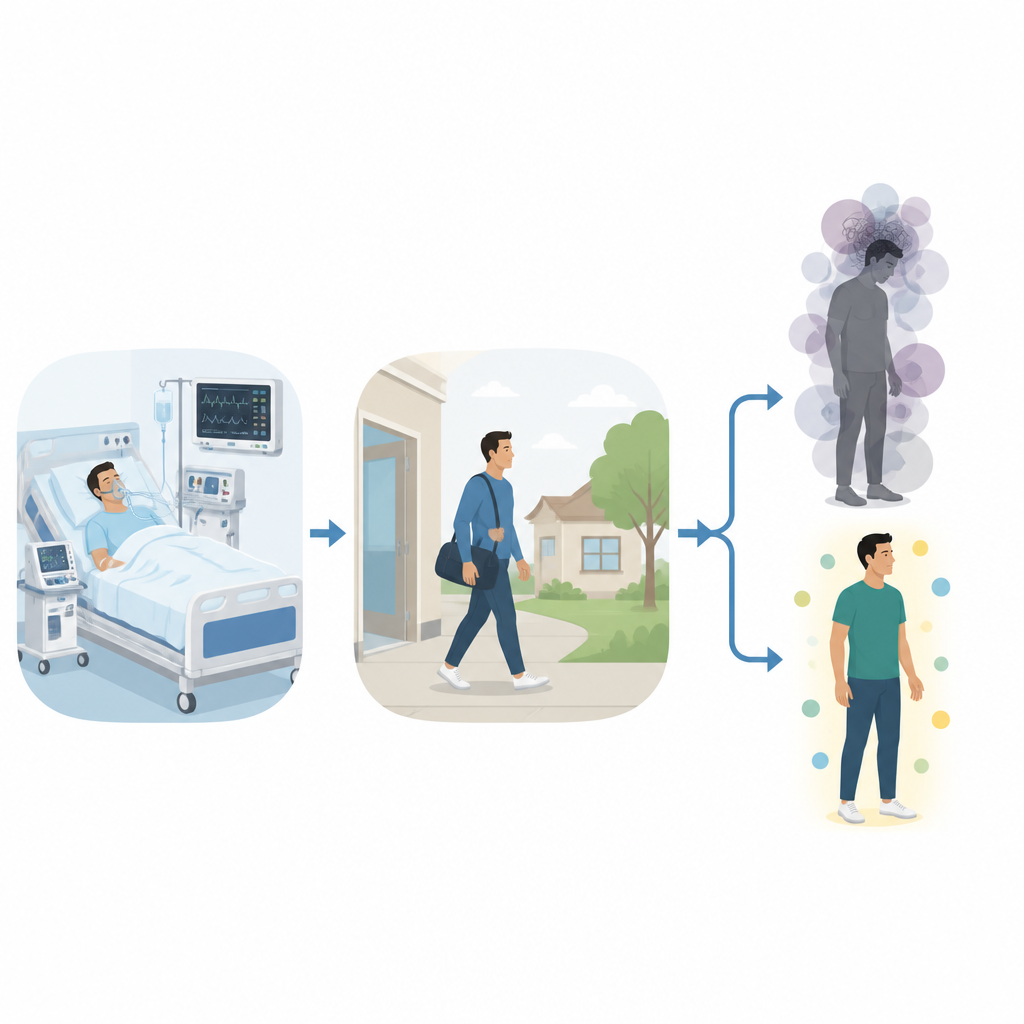
Surviving a stay in an intensive care unit is often seen as the happy end of a medical crisis, but for many people it is the beginning of a long and difficult recovery. This study looks at how former ICU patients feel months after leaving the hospital and asks a simple yet important question: what most strongly shapes how they rate their day-to-day health and well-being?
Why Recovery Feels So Hard
Modern intensive care saves more lives than ever, but the experience can leave lasting marks on both body and mind. Many survivors report poor sleep, low energy, pain, and upsetting memories long after the machines and alarms are gone. Doctors group these lingering problems under a broad label that includes physical weakness, trouble thinking clearly, and emotional strain. Earlier research showed that, on average, ICU survivors report worse quality of life than people of the same age in the general population, but it was less clear which specific emotional problems mattered most.
Who Was Studied
The researchers examined 319 adults in Germany who had survived serious illness requiring breathing support in an ICU and who later showed at least moderate signs of post-traumatic stress. On average, they were in their late fifties, and most had been treated for heart or blood vessel problems. Several months after ICU discharge, each person took part in detailed interviews and questionnaires about their mood, anxiety, trauma-related memories, and everyday functioning. They also completed a standard tool that asks about mobility, self-care, usual activities, pain, and feelings of anxiety or sadness, producing both a numerical index and a simple rating of overall health on a 0 to 100 scale.
How Emotional Problems Overlap
The team first mapped how often depression, anxiety, and post-traumatic stress occurred together. They found that these problems rarely appeared in isolation. Nearly two thirds of participants met criteria for at least one of the three, and many had two or all three at the same time. Using statistical techniques, the researchers grouped people into four patterns: a low-symptom group, an anxious-depressive group, a traumatic-depressive group, and a high-symptom group with strong signs of all three conditions. Each pattern was tied to a different mix of difficulties in daily life, but all four had worse quality of life than the general population, especially in the areas of pain and emotional distress.
Depression Stands Out
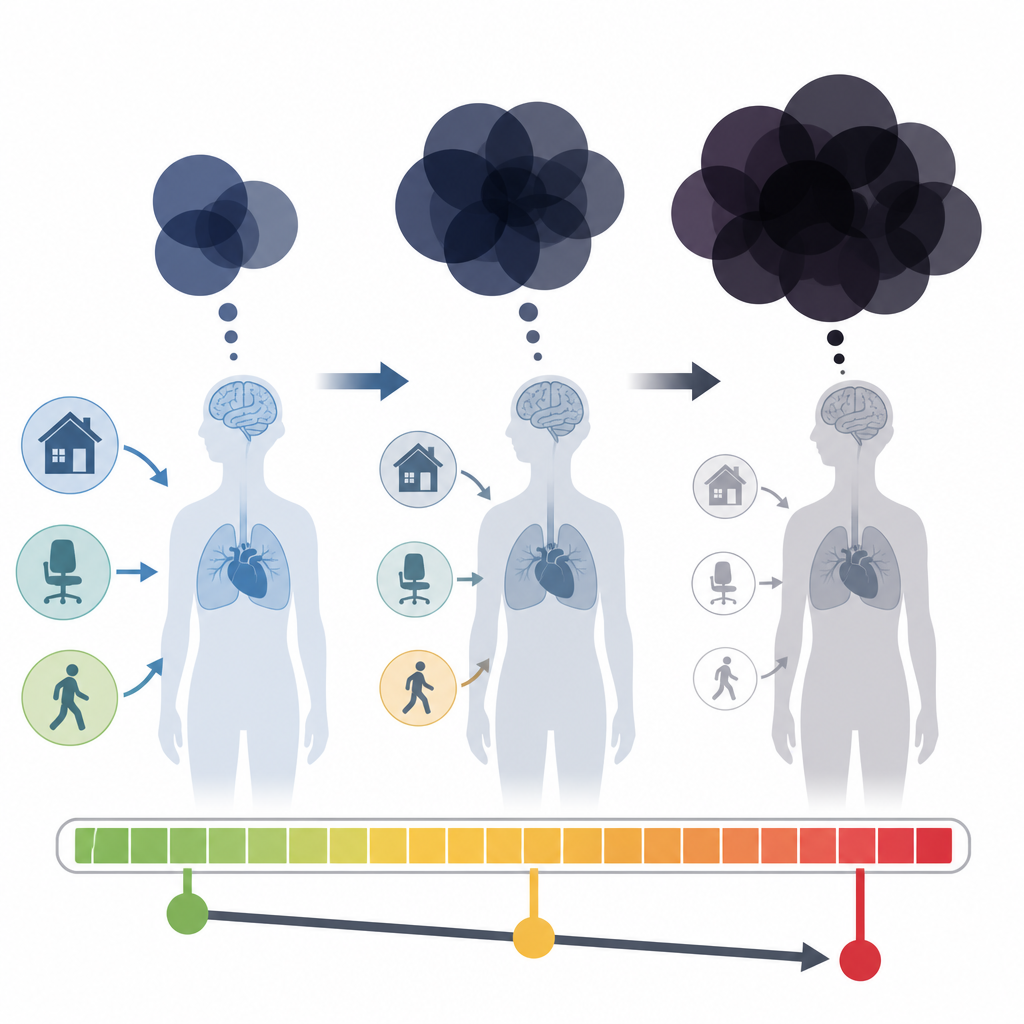
To pinpoint which factors were most closely linked to poorer life quality, the researchers applied machine learning and regression methods that can capture complex patterns. Across all analyses, symptoms of depression clearly stood out. Once depression scores reached a level usually described as at least moderate, quality-of-life ratings dropped sharply, more so than for anxiety, trauma-related symptoms, or typical medical measures such as age, length of ICU stay, or illness severity. People who screened positive on just two brief questions about low mood and loss of interest rated their health substantially lower than those who did not, with differences larger than thresholds often considered meaningful to patients.
What This Means for Follow-Up Care
The study concludes that depressive symptoms are a key driver of reduced quality of life in ICU survivors who already show psychological distress. In fact, the impact of depression on how people feel about their health is comparable to that seen in serious long-term diseases such as cancer or heart disease. Because a very short depression checklist captured much of this burden, the authors argue that simple, routine mood screening should become a standard part of follow-up visits after intensive care. Identifying and treating depression early, alongside physical rehabilitation and pain management, could help more ICU survivors move from merely staying alive toward feeling that their lives are worth living.
Citation: Kosilek, R.P., Schröder, N., Sanftenberg, L. et al. Depressive symptoms are a key determinant of health-related quality of life in ICU survivors with psychological distress. Sci Rep 16, 16148 (2026). https://doi.org/10.1038/s41598-026-49907-z
Keywords: ICU survivors, depression, post-intensive care syndrome, quality of life, mental health