Clear Sky Science · en
LC–MS-based metabolomic characterization and POM pharmacophore analysis of the bioactive methanolic extract of Ephedra alata
Desert Plant with Hidden Powers
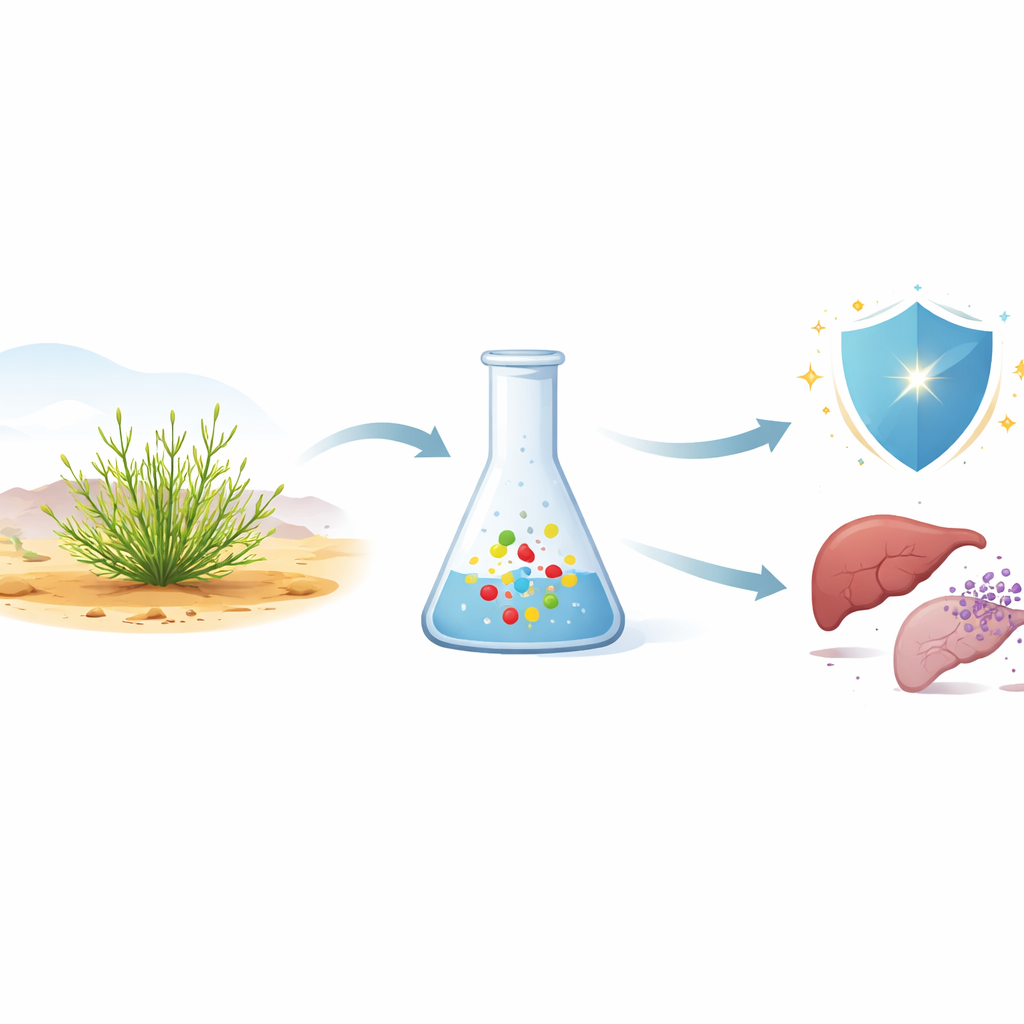
In the rocky deserts of Northern Saudi Arabia grows Ephedra alata, a small shrub long used in traditional medicine. This study asks a modern question about this old remedy: which compounds does the plant really contain, and could they help protect our cells from damage or even slow the growth of cancer cells? By combining advanced chemical analysis with cell tests and computer modeling, the researchers trace how a wild desert plant might one day contribute to gentler, more targeted therapies.
Looking Inside a Medicinal Shrub
The team collected the above-ground parts of Ephedra alata during its flowering season and prepared a methanol extract, a common way to pull out many plant chemicals at once. Using liquid chromatography–mass spectrometry, a highly sensitive technique that separates and weighs molecules, they built a detailed chemical profile of the extract. They found a rich mix of flavonoids—plant pigments famous for their health effects—including large amounts of quercetin derivatives, along with rutin, kaempferol, naringin, and related compounds. These molecules are already known from other plants for their ability to neutralize harmful oxygen-based by-products and to influence how cells grow, divide, and die.
Fighting Rust Inside the Body
Many chronic diseases, from heart problems to cancer, are linked to oxidative stress—essentially, a slow “rusting” of our tissues caused by reactive oxygen species. To see whether Ephedra alata might help counter this, the researchers measured how well the extract could block metal ions that trigger damaging reactions, and how effectively it could mop up unstable oxygen radicals. In a metal-chelation test calibrated against the standard compound EDTA, the extract showed a clear dose-dependent ability to tie up iron ions, which can otherwise fuel oxidative damage. In a separate ORAC assay, which tracks how long an antioxidant can protect a fluorescent probe from radical attack, the extract showed strong radical-scavenging power, in line with its high flavonoid content.
Testing the Extract on Liver Cancer Cells
To explore potential anticancer effects, the team exposed two human liver cancer cell lines, HepG2 and Huh-7, to different doses of the Ephedra alata extract and measured how many cells remained metabolically active. As the dose increased, both types of cancer cells became less viable, with HepG2 cells slightly more sensitive than Huh-7 cells. However, the extract’s half-maximal inhibitory concentration (IC50) values were greater than 100 micrograms per milliliter, which is considered weak compared with powerful chemotherapy drugs that act at far lower doses. These results suggest that while the whole extract alone is not a strong stand‑alone cancer killer, its natural compounds may gently push cancer cells toward programmed death and disturb their stress defenses, particularly when combined with other treatments.
Using Computers to Map the “Active Spots”
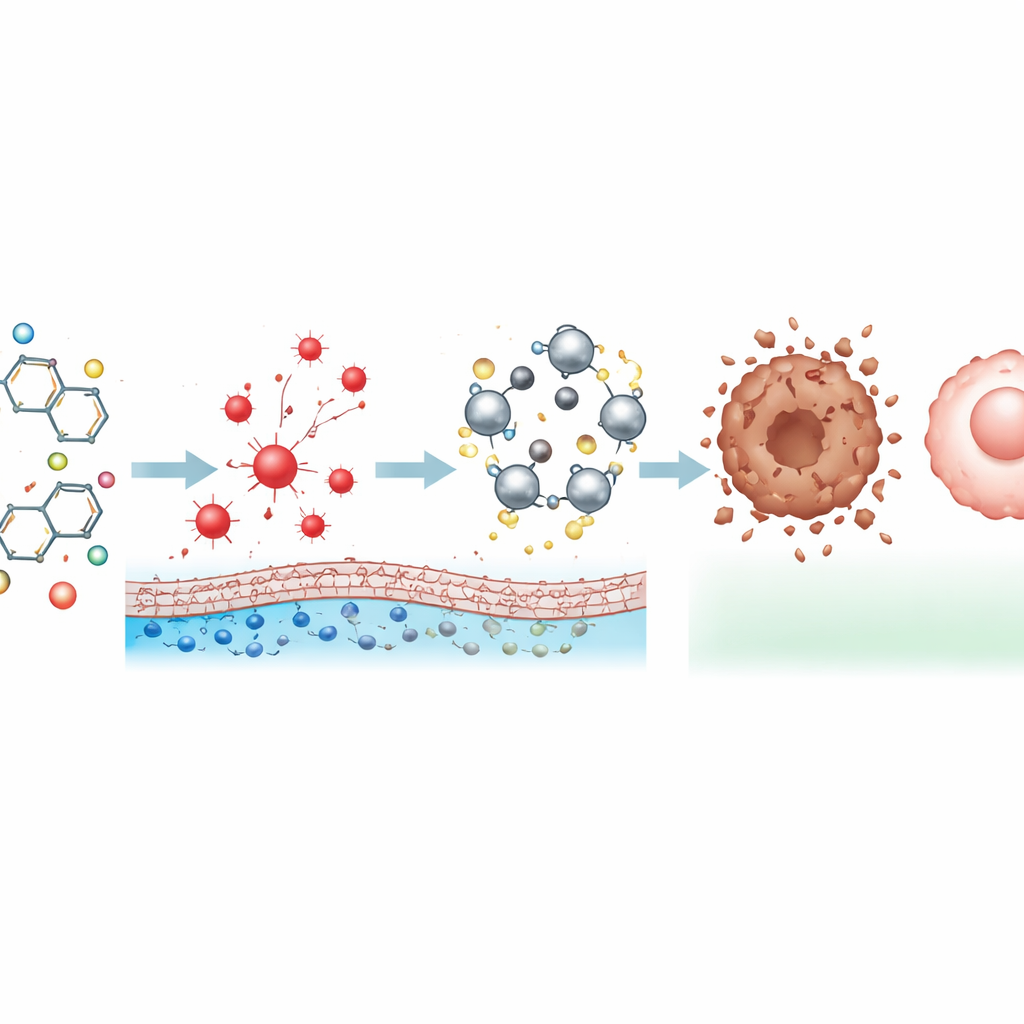
Beyond measuring raw activity, the researchers wanted to understand which parts of these molecules might be responsible for beneficial effects. They used a bioinformatic platform called POM to analyze “pharmacophore” features—three-dimensional patterns of charges and shapes that allow a molecule to latch onto biological targets. By focusing on representative flavonoids such as naringin and epigallocatechin and comparing them with related structures and their metabolites, the team identified key oxygen-rich regions that could bind metals or interact with proteins. Additional software tools suggested that these compounds and their breakdown products have encouraging “drug‑like” properties and low predicted toxicity, although some would need structural tuning to improve absorption and stability.
What This Means for Future Therapies
In plain terms, this work shows that Ephedra alata is packed with natural pigments that act as efficient shields against oxidative damage and that can modestly slow the growth of liver cancer cells in the lab. The computer modeling adds a map of promising “grip points” on these molecules that chemists could refine to design safer, smarter drugs. While the plant extract on its own is far from a ready-made cure, it offers a well-characterized toolbox of antioxidant and biologically active compounds that could one day support conventional cancer treatments or help prevent damage linked to chronic disease.
Citation: Elsharkawy, E.R., Neghmouche Nacer, S., Ben Hadda, T. et al. LC–MS-based metabolomic characterization and POM pharmacophore analysis of the bioactive methanolic extract of Ephedra alata. Sci Rep 16, 11715 (2026). https://doi.org/10.1038/s41598-026-47537-z
Keywords: Ephedra alata, flavonoids, antioxidant activity, liver cancer cells, pharmacophore modeling