Clear Sky Science · en
Phytofabricated zinc oxide nanoparticles (ZnO-NPs) from a medicinal salt-tolerant Oxystelma esculentum (L.f.) Sm. extract and their multifunctional biological activities
Healing Power from a Tough Little Plant
Imagine using a wild herb that thrives in salty, unforgiving soils to build tiny particles that could fight infections, calm inflammation, and even help manage diabetes. This study explores exactly that idea. Researchers used an edible, salt-loving medicinal plant called Oxystelma esculentum to create zinc oxide nanoparticles—ultra-small specks of matter thousands of times thinner than a human hair—and then tested how safely and effectively they act against microbes, parasites, and other health-related targets.
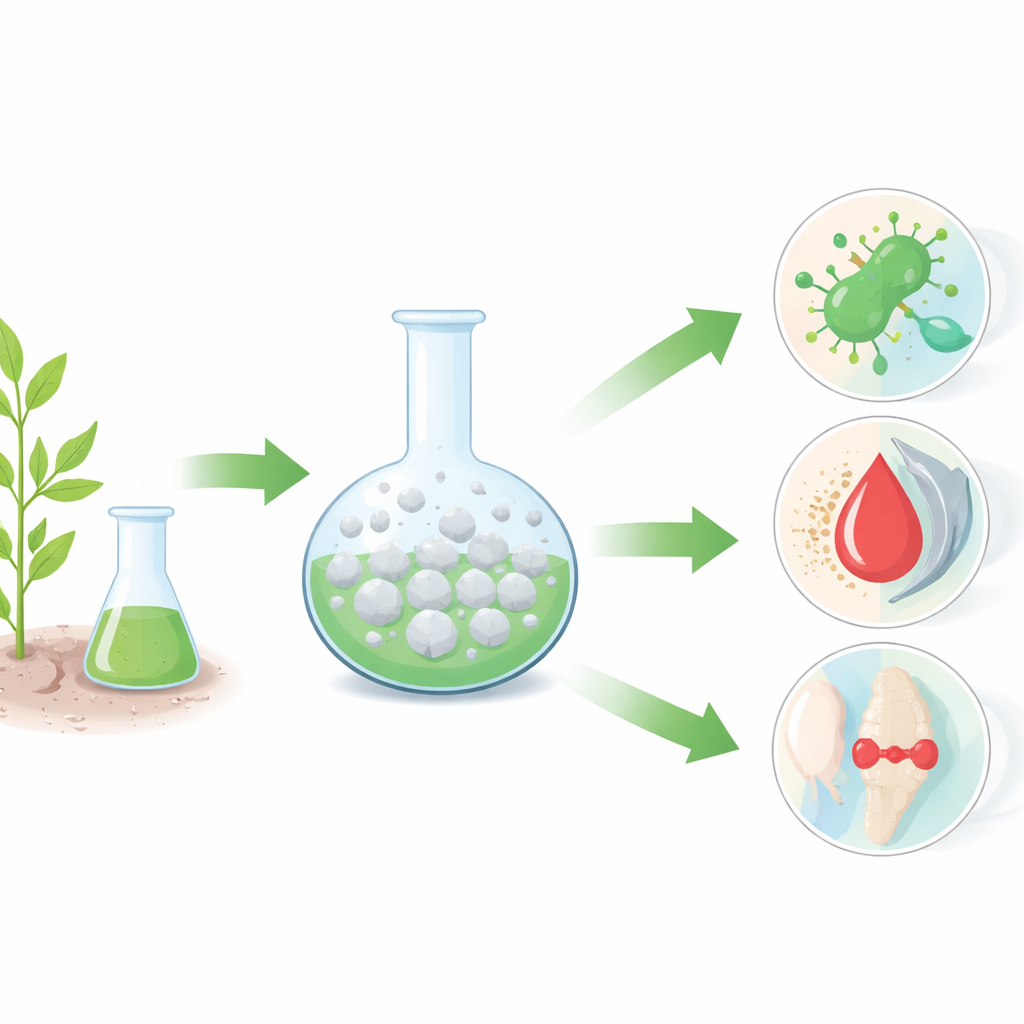
From Leaf to Tiny Medicine-Like Particles
The team began by collecting Oxystelma esculentum from Pakistan’s salt ranges, a harsh environment where few plants flourish. The leaves were cleaned, dried, powdered, and boiled in water to draw out natural compounds such as phenols and flavonoids—families of chemicals already known for their healing properties. This plant brew was then mixed with a zinc-containing salt under controlled heat and acidity. Instead of harsh industrial chemicals, the plant’s own molecules gently transformed dissolved zinc into solid zinc oxide nanoparticles and helped keep them from clumping together.
Seeing and Measuring the Invisible
Because these particles are far too small to see with the naked eye, the researchers turned to a suite of tools to confirm what they had made. Light-based tests showed a clear signature typical of zinc oxide, while another method, X-ray diffraction, revealed a well-ordered, hexagonal crystal structure only about 13 nanometers across. Infrared measurements indicated that traces of plant compounds still coated the particle surfaces, acting like a natural shell. Powerful electron microscopes showed that the particles were mostly rounded and tended to gather into sponge-like clusters, while an elemental scan confirmed that zinc and oxygen were the main ingredients, with small amounts of plant-derived elements still attached.
Tackling Germs and a Tropical Parasite
Next, the scientists asked whether these plant-made particles could actually do useful biological work. In petri dishes, the nanoparticles strongly slowed the growth of common disease-causing fungi, including Aspergillus niger and Fusarium oxysporum, blocking more than two-thirds of their spread at higher doses. They also inhibited bacteria such as Escherichia coli, forming clear “kill zones” around nanoparticle-loaded discs. Beyond everyday germs, the particles were tested against Leishmania tropica, the parasite behind a serious tropical disease. At the highest tested levels, they killed more than half of both parasite stages examined, suggesting real promise as part of future treatments.
Soothing Inflammation and Sugar Spikes
The benefits did not stop with germs. The nanoparticles showed strong anti-inflammatory behavior in a lab test that mimics the way proteins in our bodies change shape during swelling and pain. At the highest concentration, they nearly matched a standard anti-inflammatory drug. They also reduced the activity of two key digestive enzymes that break down starch and sugars, an effect similar to that of approved diabetes medicines. By slowing these enzymes, such particles could in theory help blunt spikes in blood sugar after meals. At the same time, the nanoparticles showed antioxidant behavior, neutralizing damaging free radicals and demonstrating a modest ability to protect biological molecules from oxidative stress.
Safe Enough to Touch Our Blood
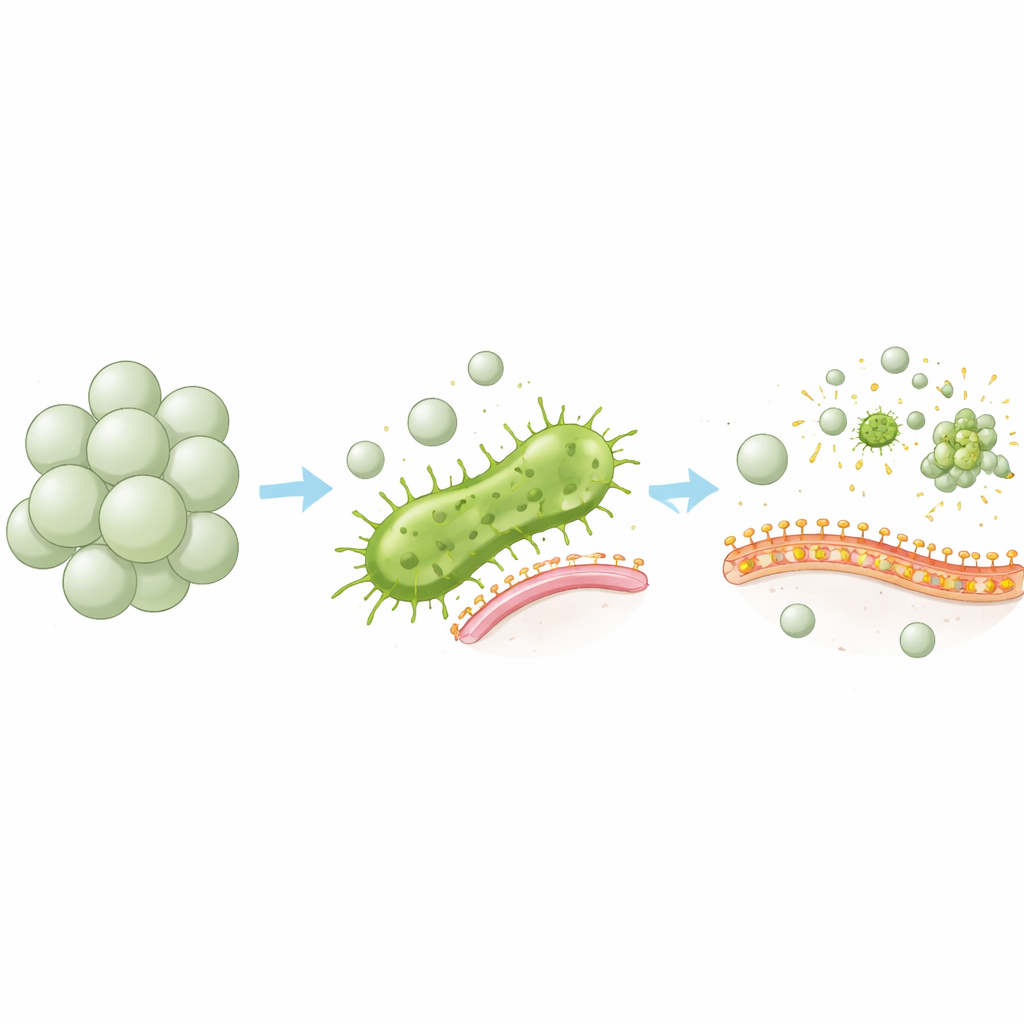
Any candidate for medical use must not unduly harm healthy cells. To check this, the researchers exposed human red blood cells to various doses of the nanoparticles. Even at the highest level, the particles caused far less than 2% of the cells to rupture, a threshold that international guidelines consider non-damaging. Tests on immune cells also supported their generally friendly behavior at working concentrations. This mix of strong effects against unwanted microbes and parasites, paired with low toxicity to human cells, hints at a favorable safety profile for future applications.
What This Could Mean for Future Treatments
Put together, the study shows that a hardy, salt-loving medicinal plant can be used as a natural mini-factory to produce zinc oxide nanoparticles with a remarkable range of biological talents. These tiny structures can fight bacteria and fungi, damage disease-causing parasites, ease inflammation, and influence sugar-processing enzymes, all while remaining largely gentle to human blood cells. For a layperson, the takeaway is that smart use of plants and nanotechnology may help deliver cleaner, safer tools for medicine—coatings for bandages that resist infection, supplements that support existing diabetes drugs, or new ways to combat neglected tropical diseases. Much work remains, especially tests in animals and people, but this green route to multifunctional nanoparticles points toward a future where wild plants from harsh landscapes help power the next generation of health innovations.
Citation: Nazish, M., Rahimova, S., Zubair, M. et al. Phytofabricated zinc oxide nanoparticles (ZnO-NPs) from a medicinal salt-tolerant Oxystelma esculentum (L.f.) Sm. extract and their multifunctional biological activities. Sci Rep 16, 13258 (2026). https://doi.org/10.1038/s41598-026-47491-w
Keywords: green nanotechnology, zinc oxide nanoparticles, medicinal plants, antimicrobial therapy, antioxidant activity