Clear Sky Science · en
Genomic characterization of clinical Stenotrophomonas strains from Thailand reveals five putative novel genospecies and extensive functional diversity
Hidden hospital germs
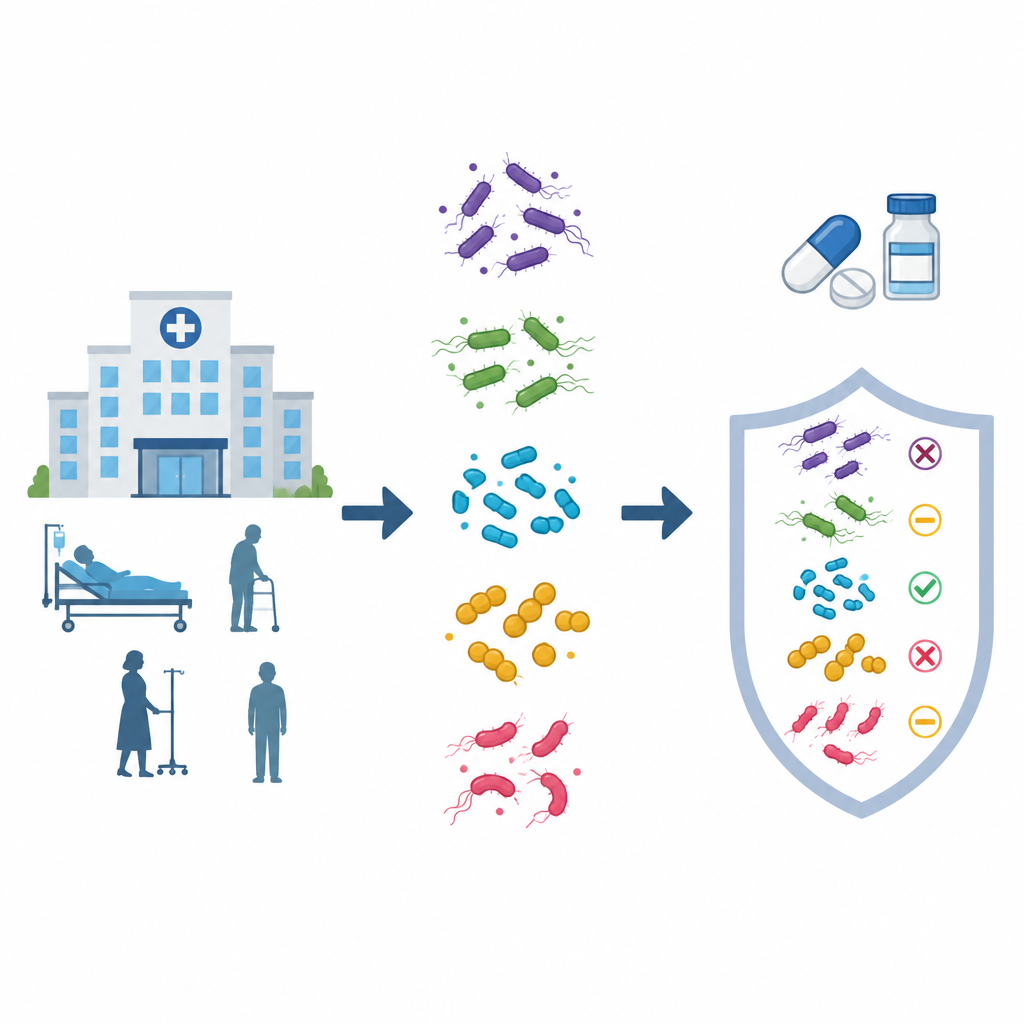
Hospitals are meant to heal, yet they can also harbor hard-to-treat germs that quietly spread between vulnerable patients. This study looks closely at one such group of bacteria, called Stenotrophomonas, taken from patients in a Thai hospital. By reading the full DNA of these microbes, the researchers uncovered several previously unrecognized types and examined how they resist antibiotics and survive in tough conditions.
Why these bacteria matter
Stenotrophomonas bacteria live almost everywhere, from soil and plants to tap water and medical devices. Some strains can cause lung, blood, and urine infections, particularly in people whose immune systems are weakened. They are naturally tough to treat because they often resist many antibiotics. In Thailand and across Southeast Asia, however, their true diversity in hospitals has not been well mapped. The team collected ten Stenotrophomonas strains from sputum, blood, urine, and body fluids of patients in a single hospital during 2023, then used modern genome sequencing to understand what they are and what they can do.
Discovering new bacterial lineages
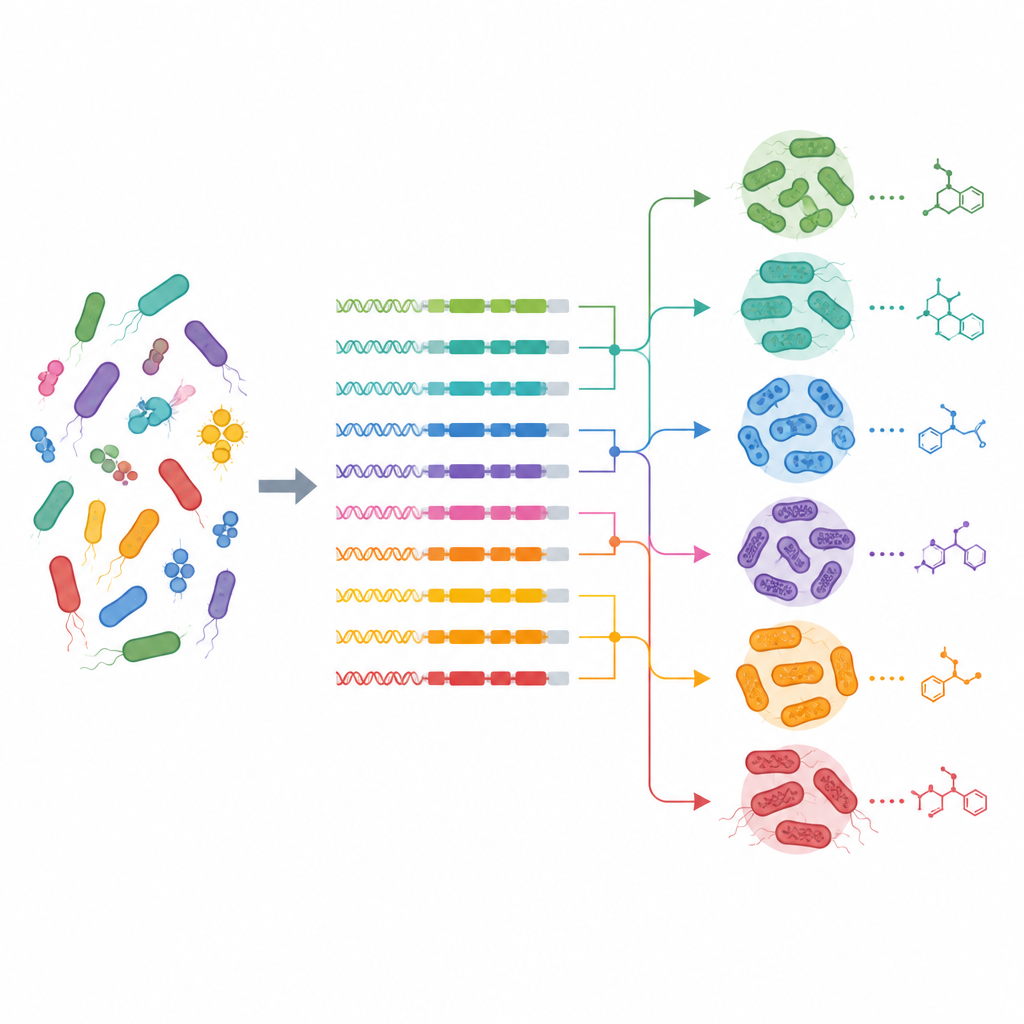
Traditional identification tools, such as routine lab methods and 16S rRNA gene testing, had labeled all ten isolates as the same known species, Stenotrophomonas maltophilia. But when the researchers compared entire genomes at high resolution, a different picture emerged. Using measures of DNA relatedness across the whole genome, they found that the ten strains did not match any officially named species. Instead, they fell into five distinct genetic groups, or putative new genospecies, each more closely related within the group than to any known reference strain. This means that what appears to be a single species in the clinic can actually hide multiple, genetically distinct lineages.
Many shared tools, many unique tricks
The genomes of these strains were compact but information-rich, and only about one fifth of their genes were shared by all of them. The rest formed an “accessory” pool that differed from strain to strain, suggesting a highly flexible genetic toolbox. Core genes supported basic life functions such as energy production, building cell walls, and processing nutrients, while the accessory genes expanded abilities related to sensing the environment, transporting molecules, and coping with stress. Many of these variable genes had unknown functions, hinting at hidden traits that might help specific strains adapt to particular niches, whether in soil, water pipes, or the human body.
Resistance and biofilms in the clinic
The study also focused on traits that matter directly to patient care. All ten strains were resistant to multiple common antibiotics, including several beta lactams and aminoglycosides, and carried matching resistance genes in their DNA. They shared key enzymes and powerful efflux pumps that can pump drugs out of the cell. Yet they remained reliably sensitive to cotrimoxazole, a medicine currently used as the first choice against these infections. The strains also carried genes linked to virulence, such as factors that help them stick to surfaces, damage host cells, and form biofilms, which are slimy communities that cling to medical devices and tissues. In lab tests, every strain produced moderate to strong biofilms and showed alpha hemolysis, a sign that they can affect red blood cells.
What this means for patients and doctors
For non-specialists, the key message is that a single name on a lab report can hide many kinds of Stenotrophomonas, each with its own mix of survival tools. The Thai strains described here likely represent five new genetic types that share strong drug resistance and biofilm-forming abilities. While current treatments like cotrimoxazole still work, the bacteria’s flexible genomes suggest they can keep evolving. The authors argue that careful genome-based tracking and accurate naming of these microbes will be important for infection control, antibiotic choice, and future research into how these quiet but persistent hospital germs behave.
Citation: Thant, E.P., Klaysubun, C., Palittapongarnpim, P. et al. Genomic characterization of clinical Stenotrophomonas strains from Thailand reveals five putative novel genospecies and extensive functional diversity. Sci Rep 16, 15936 (2026). https://doi.org/10.1038/s41598-026-47022-7
Keywords: Stenotrophomonas, antibiotic resistance, hospital infections, biofilm, bacterial genomics