Clear Sky Science · en
Chasteberry extract alleviates rotenone-triggered testicular injury in rats by modulating oxidative stress, inflammation, apoptosis, and mitochondrial dysfunction
Why this matters for everyday health
Pesticides help protect crops, but some can quietly harm the body in ways that are easy to overlook. This study asks a very down-to-earth question: can a traditional medicinal plant, chasteberry, shield male fertility from damage caused by rotenone, a widely used natural pesticide? By testing this idea in rats, the researchers explore how an herbal extract might protect the testes, sperm, and hormone balance from chemical stress.
A harmful chain reaction from a common pesticide
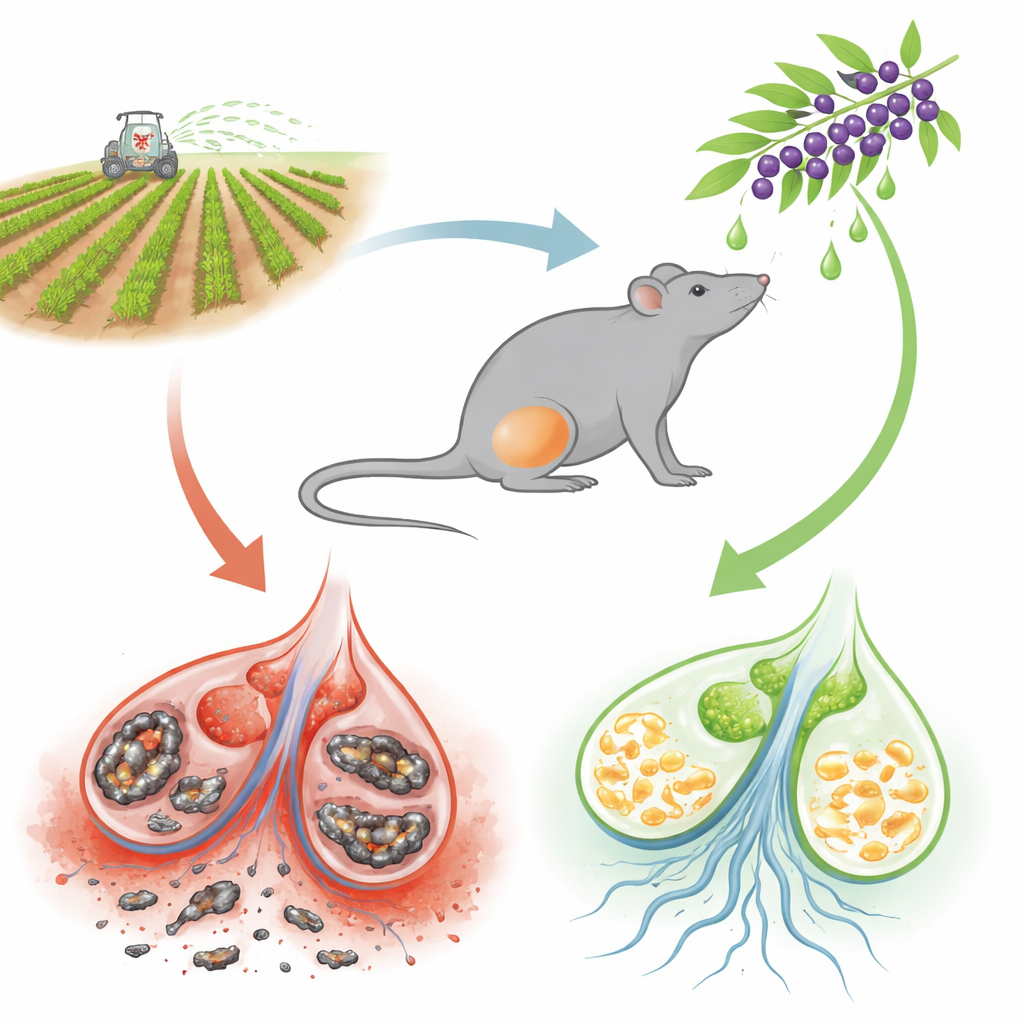
Rotenone is often described as a “natural” insect killer because it comes from certain plants, yet it has a long record of toxic effects in animals and people. It interferes with tiny power stations inside cells called mitochondria, leading to a surge of aggressive molecules that attack fats, proteins, and DNA. In the testes, this storm of damage can lower levels of key sex hormones, shrink sperm counts, and distort sperm shape and movement. The authors set out to chart this damage in detail and to see whether chasteberry extract could interrupt this chain reaction.
Testing protection from plant power
Forty healthy male rats were divided into four groups for two months: a normal control group, a group receiving only chasteberry extract, a group given only rotenone, and a combination group receiving both rotenone and the extract. The team measured blood levels of the main reproductive hormones, counted and examined sperm, and inspected testicular tissue under the microscope. They also tracked chemical markers of “rusting” inside the testes, such as breakdown products of fats and the balance between harmful oxidants and natural protective molecules. Finally, they examined switches inside cells that control inflammation, cell death, and the health and number of mitochondria.
What goes wrong in the testes with rotenone
Rats exposed only to rotenone showed a broad collapse of reproductive health. Levels of testosterone and the brain–pituitary hormones that drive sperm production dropped sharply. Inside the testes, markers of oxidative stress shot up, while protective enzymes and antioxidants fell. Sperm counts were roughly halved, motility declined, and malformed sperm more than doubled. Under the microscope, the normally well-organized tubes that produce sperm were shrunken and disrupted, with giant abnormal cells and evidence of tissue degeneration. Molecular tests showed that inflammatory messengers and “self-destruct” proteins were switched on, while genes that normally boost antioxidant defenses, build new mitochondria, and maintain their healthy shape and fusion were dialed down.
How chasteberry changes the picture
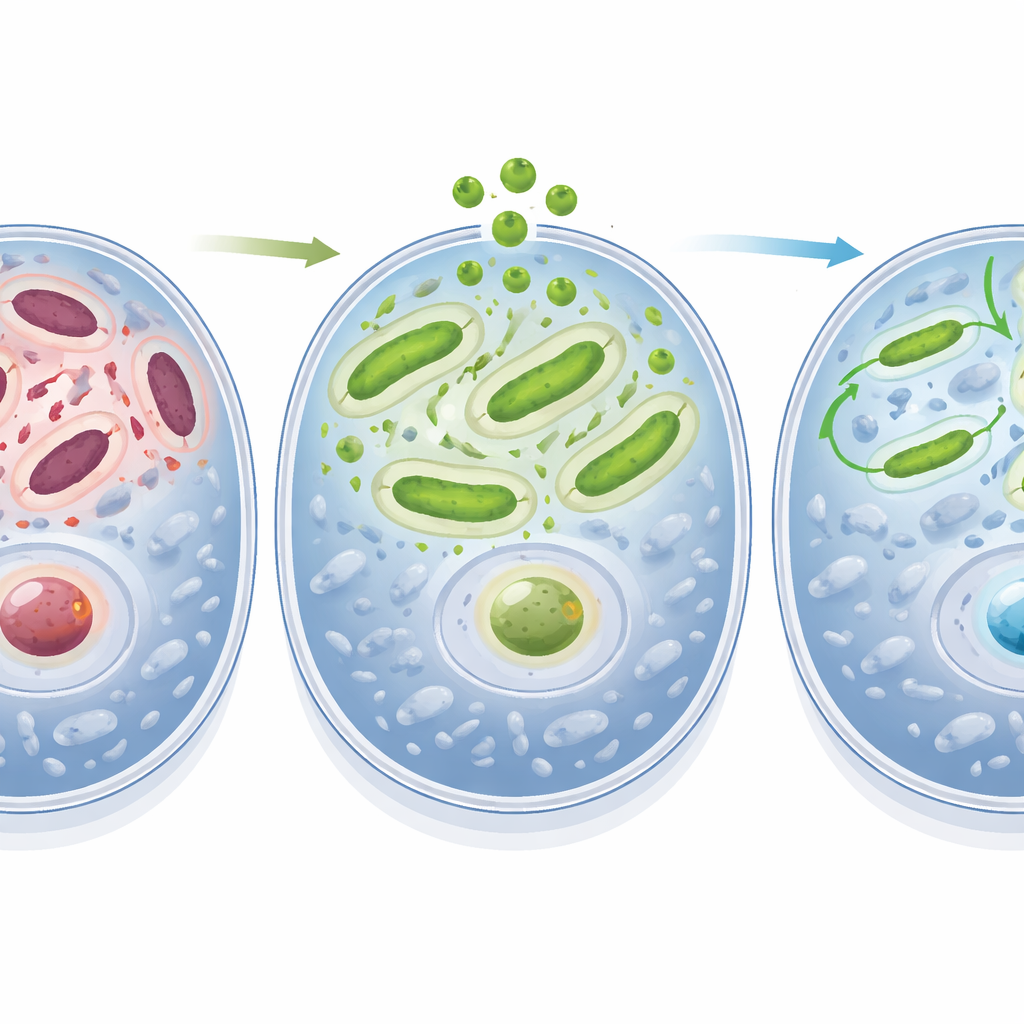
When chasteberry extract was given together with rotenone, this grim pattern was largely reversed. Hormone levels rebounded toward normal, sperm numbers and movement improved, and the fraction of abnormal sperm fell. Chemical signs of oxidative damage dropped, while the testes’ own antioxidant systems were strengthened. Histology revealed that the structure of the sperm-producing tubes was restored, with plentiful sperm in their centers and fewer degenerative changes. At the molecular level, chasteberry calmed inflammatory signals, reduced activation of cell-death pathways, and revived genes that oversee antioxidant responses and mitochondrial renewal. The balance between mitochondrial “fission” and “fusion” also shifted back toward a healthier, more connected network, which is crucial for energy supply in sperm-forming cells.
What this means in simple terms
Taken together, the study shows that rotenone pushes the testes into a state of oxidative overload, inflammation, and energy failure, leading to poorer sperm and lower reproductive hormones. Chasteberry extract acts a bit like a cellular bodyguard: it mops up damaging molecules, quiets inflammatory alarms, prevents excessive cell suicide, and helps rebuild and stabilize the cell’s power plants. In doing so, it preserves testicular structure and sperm quality in rats. While these findings cannot yet be directly applied to humans, they highlight both the hidden reproductive risks of certain pesticides and the promise of plant-based compounds as protective allies. Future work will need to confirm safe doses, clarify how these results translate beyond rats, and explore whether similar strategies could support male fertility in exposed populations.
Citation: Saad, H.M., Ashoura, N.R., Salama, A.R. et al. Chasteberry extract alleviates rotenone-triggered testicular injury in rats by modulating oxidative stress, inflammation, apoptosis, and mitochondrial dysfunction. Sci Rep 16, 12707 (2026). https://doi.org/10.1038/s41598-026-46954-4
Keywords: pesticide-induced infertility, chasteberry extract, oxidative stress, testicular health, mitochondrial protection