Clear Sky Science · en
Analysis of current status and risk factors of catheter infection in hemodialysis patients in Gansu Province, China
Why this matters for people on dialysis
For people whose kidneys have failed, regular dialysis keeps them alive, but it also brings hidden dangers. One of the most serious is infection that starts where a plastic tube enters a large vein and then spreads through the blood. This study from Gansu Province in China looks closely at how often these infections occur, which germs are involved, and what patient traits make them more likely, offering clues on how doctors and nurses can better protect patients.
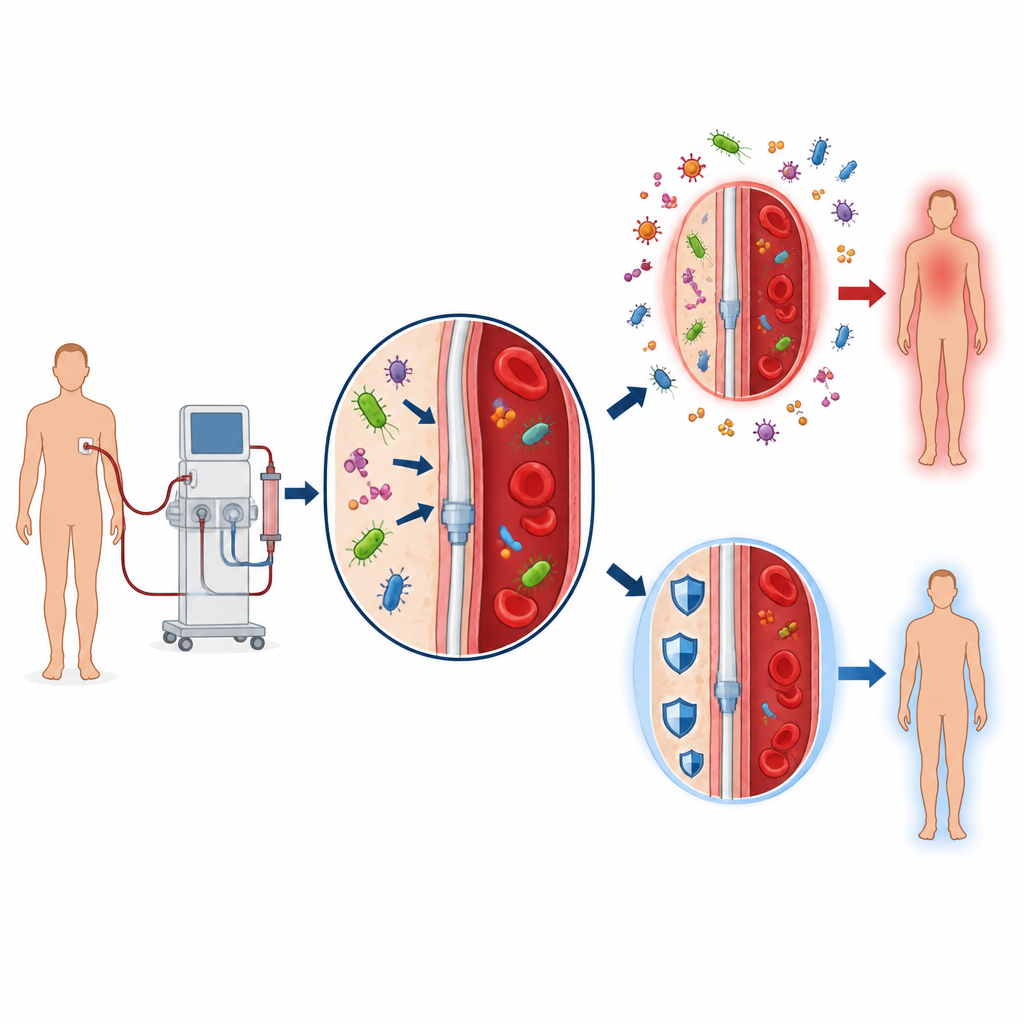
How infections arise during life saving treatment
To receive hemodialysis, many patients rely on a soft tube placed into a large vein, called a central venous catheter. This tube gives the dialysis machine direct access to the bloodstream. While this setup is vital for treatment, it also provides a doorway for germs to travel from the skin or hospital environment into the blood. When infection develops through this route it is known as catheter related bloodstream infection, and it can lead to longer hospital stays, serious illness, and a higher risk of death.
What the researchers did in Gansu
The research team studied 540 adults on hemodialysis who were using these catheters in 28 hospitals across seven cities in Gansu Province. They compared 90 patients who developed catheter related infections with 450 who did not. From hospital records and lab tests, they gathered details such as age, sex, main kidney disease, where the catheter was placed, blood counts, blood protein, and iron related markers. They also examined which bacteria were found in blood cultures and how sensitive these germs were to different antibiotics.
Which germs and which patients were most at risk
About one in six patients in the study had a catheter related bloodstream infection. Among the germs that were grown from their blood, more than half were a group known as gram positive bacteria, with Staphylococcus aureus the single most common species. Gram negative bacteria were also found, including Escherichia coli. Many of these germs showed resistance to widely used drugs such as penicillin, erythromycin, and some older cephalosporins, while newer or stronger medicines like vancomycin, linezolid, daptomycin, and carbapenems still worked against most strains.
When the researchers looked for patterns in the patient data, several clear risk factors emerged. Infections were more frequent in large tertiary hospitals than in smaller secondary hospitals, likely because sicker patients and more drug resistant bacteria are concentrated there. Patients whose kidney failure was caused by diabetic kidney disease were at higher risk, possibly because high blood sugar harms blood vessels and weakens the body’s defenses. Those with anemia, low blood protein, or higher levels of serum ferritin, which reflects both iron stores and inflammation, were also more likely to develop infections.
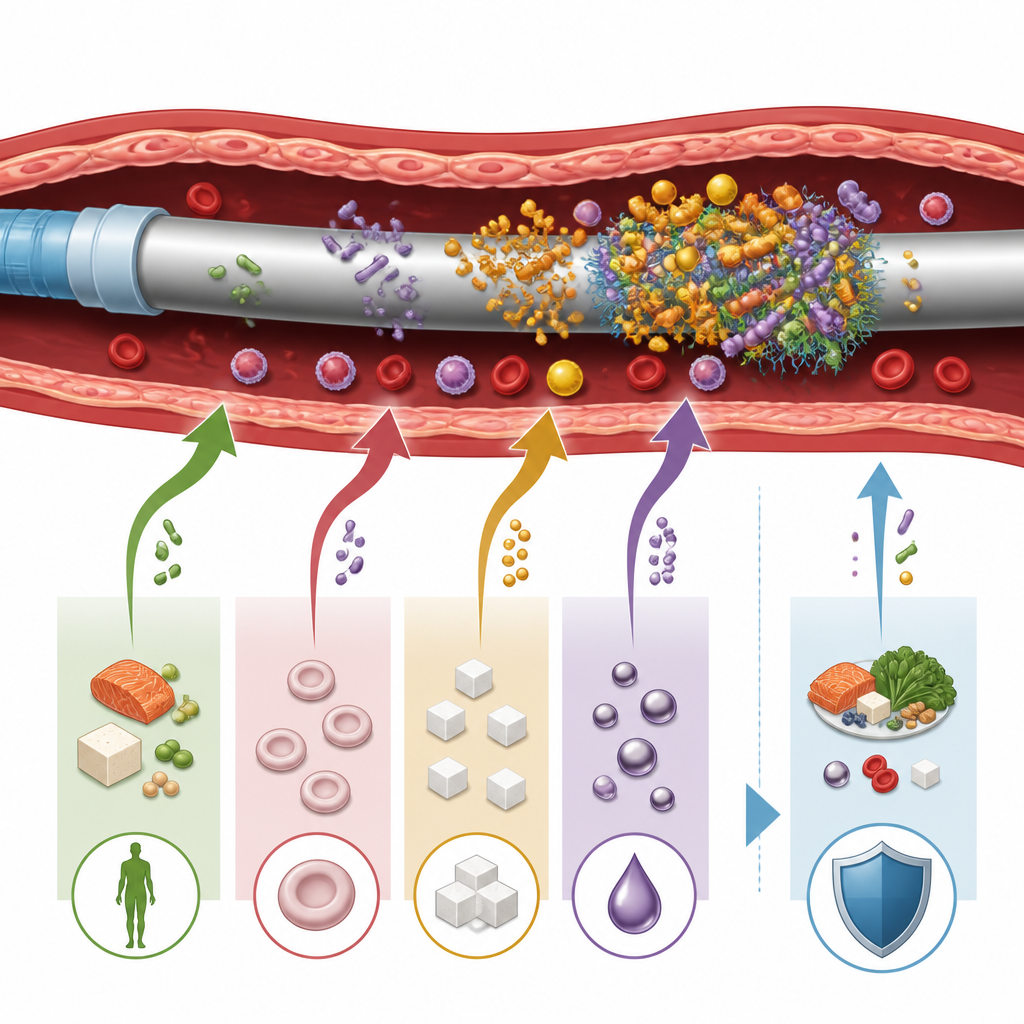
What these findings mean for care
The study suggests that protecting dialysis patients from catheter infections requires paying attention both to hospital practice and to each patient’s overall health. On the hospital side, strict hand cleaning, careful handling of catheters, safe injection habits, and thorough cleaning of the surroundings are all essential. Using results from local drug sensitivity tests can guide smarter antibiotic choices and help slow the spread of drug resistant bacteria. On the patient side, good blood sugar control, better nutrition, and treatment of anemia and abnormal iron levels may help shore up natural defenses and lower the chance that germs entering through the catheter will take hold.
Take home message for patients and families
In simple terms, the study shows that catheter infections in dialysis patients are common but not random. They are linked to specific germs, the way antibiotics are used, the type of hospital, and patient conditions such as diabetes, low blood protein, anemia, and high iron markers. By improving everyday infection control in hospitals and closely managing these risk factors, health teams can reduce these dangerous infections and make life saving dialysis safer.
Citation: Sun, Y., Feng, Y., Zhang, X. et al. Analysis of current status and risk factors of catheter infection in hemodialysis patients in Gansu Province, China. Sci Rep 16, 15431 (2026). https://doi.org/10.1038/s41598-026-46807-0
Keywords: hemodialysis, catheter infection, bloodstream infection, antibiotic resistance, diabetic nephropathy