Clear Sky Science · en
The effects of β-caryophyllene on butyrate utilization and metabolism in Caco-2 cells
Plant scents and gut health
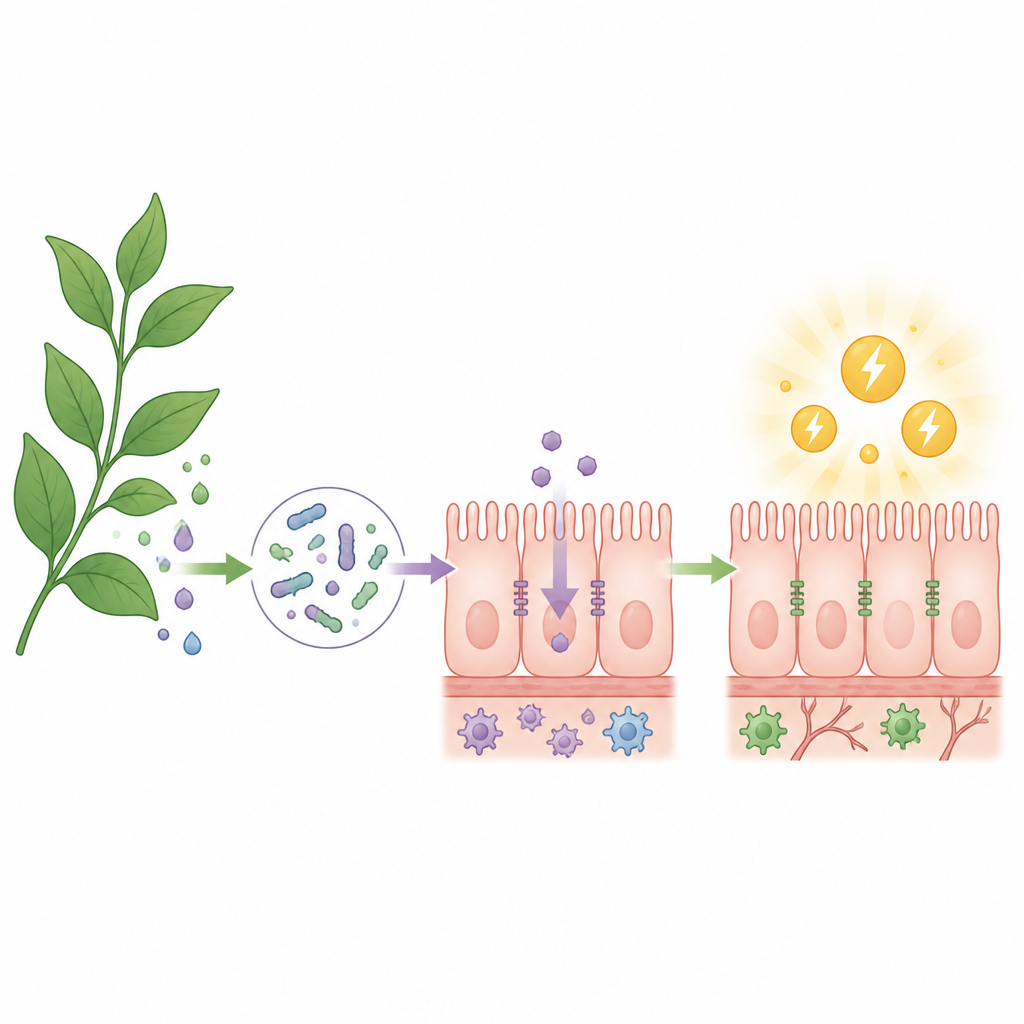
Many herbs and spices contain fragrant oils that do more than please the nose; they can also interact with our bodies in subtle ways. This study asked whether one such plant scent, called beta caryophyllene and found in cloves, oregano, and hops, can help cells that line the intestine make better use of butyrate, a small fatty acid made by gut microbes that fuels these cells and helps keep the gut barrier tight.
A closer look at a key gut fuel
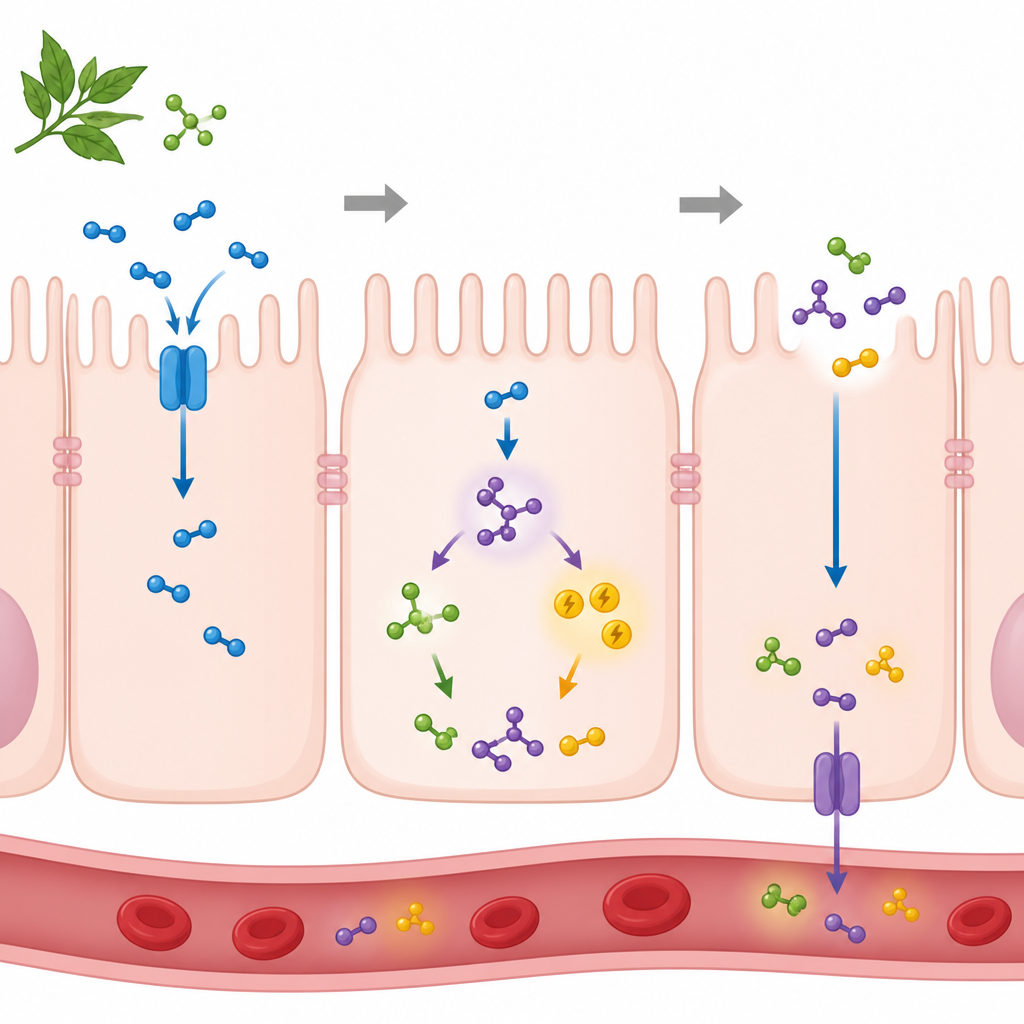
Butyrate is one of the main energy sources for cells that form the intestinal wall. It is produced when gut bacteria break down fiber, and it supports a strong barrier that keeps unwanted substances from leaking into the bloodstream. Inside these cells, butyrate can be burned for energy or converted into another compound, beta hydroxybutyrate, which can travel in the blood and act as an energy carrier and signaling molecule. Because of this central role, even small shifts in how gut cells use butyrate could influence digestion, metabolism, and gut resilience.
Testing a spicy helper in a dish of cells
To explore this, the researchers grew layers of human intestinal like cells, known as Caco 2 cells, on thin porous inserts that mimic the gut lining. They then added four treatments to the top side of these cell layers: a control solution, beta caryophyllene alone, butyrate alone, or butyrate combined with beta caryophyllene. After one and two days, they measured how well the cell layer resisted electrical current, an indicator of barrier tightness, and analyzed the surrounding liquid for levels of butyrate and beta hydroxybutyrate. They also examined activity of selected genes involved in transporting and processing these fuels.
Stronger barrier and faster fuel use
The combination of beta caryophyllene and butyrate generally led to a tighter cell barrier than butyrate alone, particularly at the later time point in one of the experiments. Cells exposed to both compounds also used up more butyrate from the surrounding medium and produced more beta hydroxybutyrate, especially on the side that mimics the bloodstream. This pattern suggests that beta caryophyllene encourages the cells to draw in more of this microbial fuel and convert it into forms that can support energy needs beyond the gut wall itself.
Changes inside the cells
On the genetic level, butyrate alone increased the activity of several transporter genes that help move small fuel molecules and ions across the cell membrane, and it altered genes tied to glucose handling. When beta caryophyllene was added to butyrate, some transporters linked to bringing nutrients into the cell and moving them out toward the body were further adjusted, while certain enzymes involved in making ketone bodies were dialed down at the first time point. These shifts point to a broad retuning of how the cells take up, burn, and share energy sources in the presence of the plant compound.
Why this matters for people and animals
In simple cell layers, beta caryophyllene was not notably toxic and appeared to help intestinal like cells use butyrate more efficiently while supporting barrier strength. Although this work was done in dishes and not in living organisms, it suggests that plant derived compounds found in common herbs might be harnessed to support gut energy balance and barrier integrity. Future animal and human studies will be needed, but beta caryophyllene emerges here as a promising candidate for gentle dietary strategies aimed at maintaining a healthy gut wall.
Citation: Scroggins, H., Kent-Dennis, C., May, J. et al. The effects of β-caryophyllene on butyrate utilization and metabolism in Caco-2 cells. Sci Rep 16, 15357 (2026). https://doi.org/10.1038/s41598-026-46790-6
Keywords: beta caryophyllene, butyrate metabolism, intestinal barrier, gut epithelial cells, short chain fatty acids