Clear Sky Science · en
A randomized comparison of etoposide and cyclophosphamide for stem cell mobilization in newly diagnosed multiple myeloma
Why this study matters to patients and families
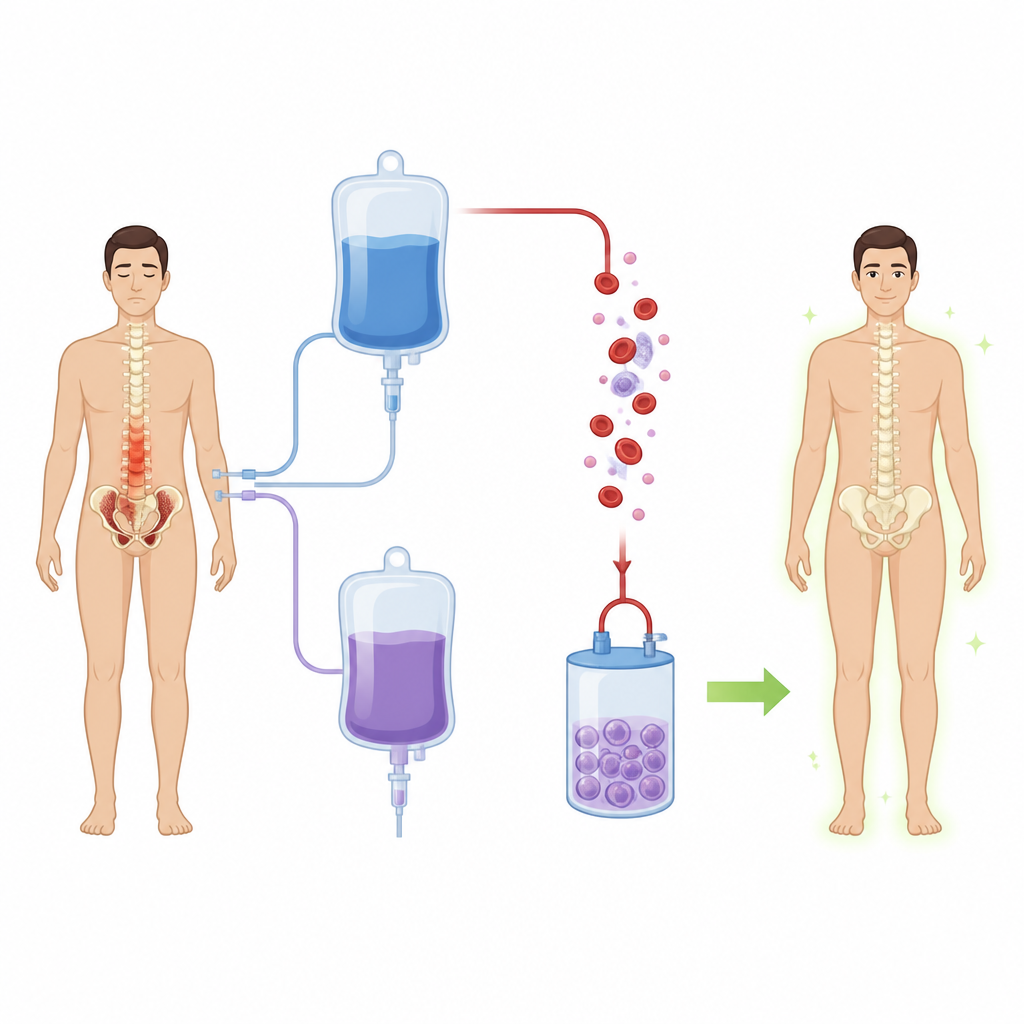
For people with multiple myeloma, high dose chemotherapy followed by returning their own blood stem cells can extend life and improve quality of living. But before this transplant can happen, doctors must first coax enough stem cells out of the bone marrow into the bloodstream so they can be collected. This study asks a very practical question that matters to every eligible patient: which commonly used drug helps move more stem cells into the blood, with fewer side effects, etoposide or cyclophosphamide?
Setting the stage for stem cell rescue
Multiple myeloma is a cancer of plasma cells that live inside the bone marrow. Many patients who are fit enough receive an autologous stem cell transplant, where their own stem cells are collected, frozen, and later infused back after strong chemotherapy. The more stem cells collected, especially a type marked by CD34 on their surface, the faster the blood system recovers after transplant. In routine practice, doctors often use growth factor injections alone or combined with chemotherapy to help these cells spill into the bloodstream. Cyclophosphamide has long been the default drug for this job, while etoposide has shown promise in smaller, less direct comparisons.
How the trial was designed
Researchers in China ran a prospective, randomized, open label trial at several hospitals from 2022 to 2024. They enrolled adults aged 18 to 70 with newly diagnosed multiple myeloma who had already received modern induction treatment and were considered suitable for stem cell transplant. Sixty two patients were randomly assigned in equal numbers to receive a single high dose of etoposide or a higher standard dose of cyclophosphamide. After blood counts recovered from this chemotherapy, all patients received daily injections of the growth factor G CSF, followed by up to three days of stem cell collection using a machine called an apheresis device. Doctors could add a mobilizing drug called plerixafor if early collections looked too low, and they tracked how many stem cells were gathered, how many collection sessions were needed, and what side effects occurred.
Clear edge for etoposide in stem cell yield
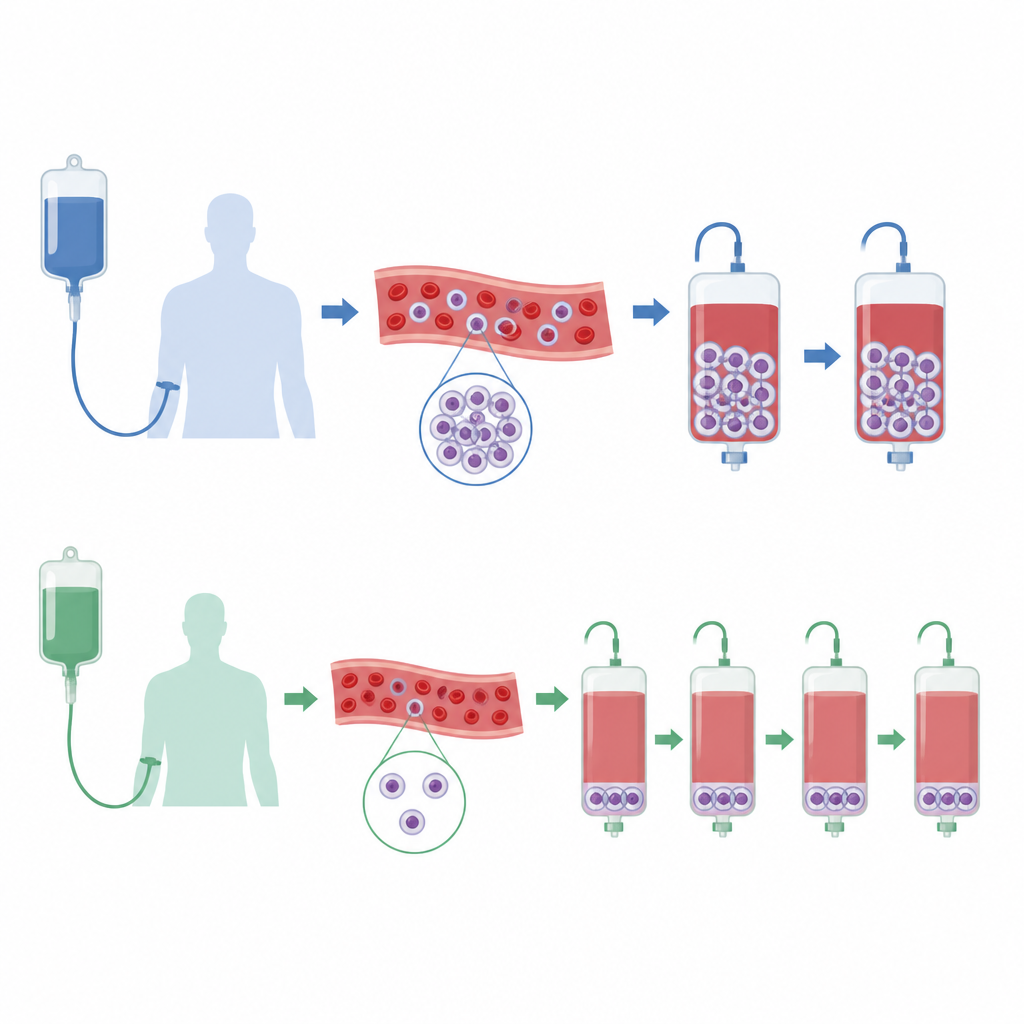
The etoposide group consistently outperformed the cyclophosphamide group across all key measures of stem cell collection. Every patient given etoposide reached at least the minimum target of 2 million CD34 positive cells per kilogram of body weight, compared with just over three quarters of those given cyclophosphamide. When the bar was raised to 5 million cells per kilogram, considered an optimal collection, nine in ten etoposide treated patients met it, versus just over half in the cyclophosphamide arm. Even for very high yields suitable for two future transplants, etoposide again did better. Patients on etoposide collected more stem cells on the first day, needed fewer total collection sessions, and less often required the extra drug plerixafor. Among those who went on to transplant, people in the etoposide arm received more stem cells, yet both groups recovered white cells and platelets in similar time.
Safety and comfort during treatment
Both approaches carried the expected temporary drop in blood counts and risk of infection, but overall safety looked similar. Notably, patients receiving etoposide needed platelet transfusions less often and reported far less nausea during the mobilization period than those receiving cyclophosphamide. Other side effects, such as infections, liver and kidney strain, or changes in blood salts, were comparable between the two groups. The trial used a single etoposide dose well below levels linked to long term leukemia risk in past studies, though the authors stress that ongoing follow up is still needed to fully understand any delayed harms from both drugs.
What this means going forward
This study suggests that for adults with newly diagnosed multiple myeloma who are heading toward an autologous stem cell transplant, high dose etoposide combined with G CSF can provide more stem cells, in fewer collection sessions, with at least as good and in some ways better tolerability than high dose cyclophosphamide. For patients, this could translate into shorter, less stressful collection periods and a larger reserve of stem cells stored for future use. While larger studies and long term follow up will help confirm these findings, the results give doctors strong evidence to consider etoposide as the preferred choice for mobilizing stem cells in this setting.
Citation: Sun, Y., Li, J., Dong, Y. et al. A randomized comparison of etoposide and cyclophosphamide for stem cell mobilization in newly diagnosed multiple myeloma. Sci Rep 16, 15790 (2026). https://doi.org/10.1038/s41598-026-46787-1
Keywords: multiple myeloma, stem cell mobilization, etoposide, cyclophosphamide, autologous transplant