Clear Sky Science · en
Sildenafil pretreatment attenuates apoptosis and intestinal injury in a hypoxia–ischemia–induced NEC-like rat model
Why tiny intestines matter
Necrotizing enterocolitis is a life threatening gut disease that strikes premature babies, often without warning. Doctors know that low oxygen in the intestine and waves of cell death can badly damage the fragile gut lining, but they have few tools to stop this cascade once it starts. This study explores whether a familiar heart and lung drug, sildenafil, might help shield the immature intestine from oxygen related stress in an animal model, offering clues toward gentler ways to protect vulnerable newborns.
A dangerous storm in the newborn gut
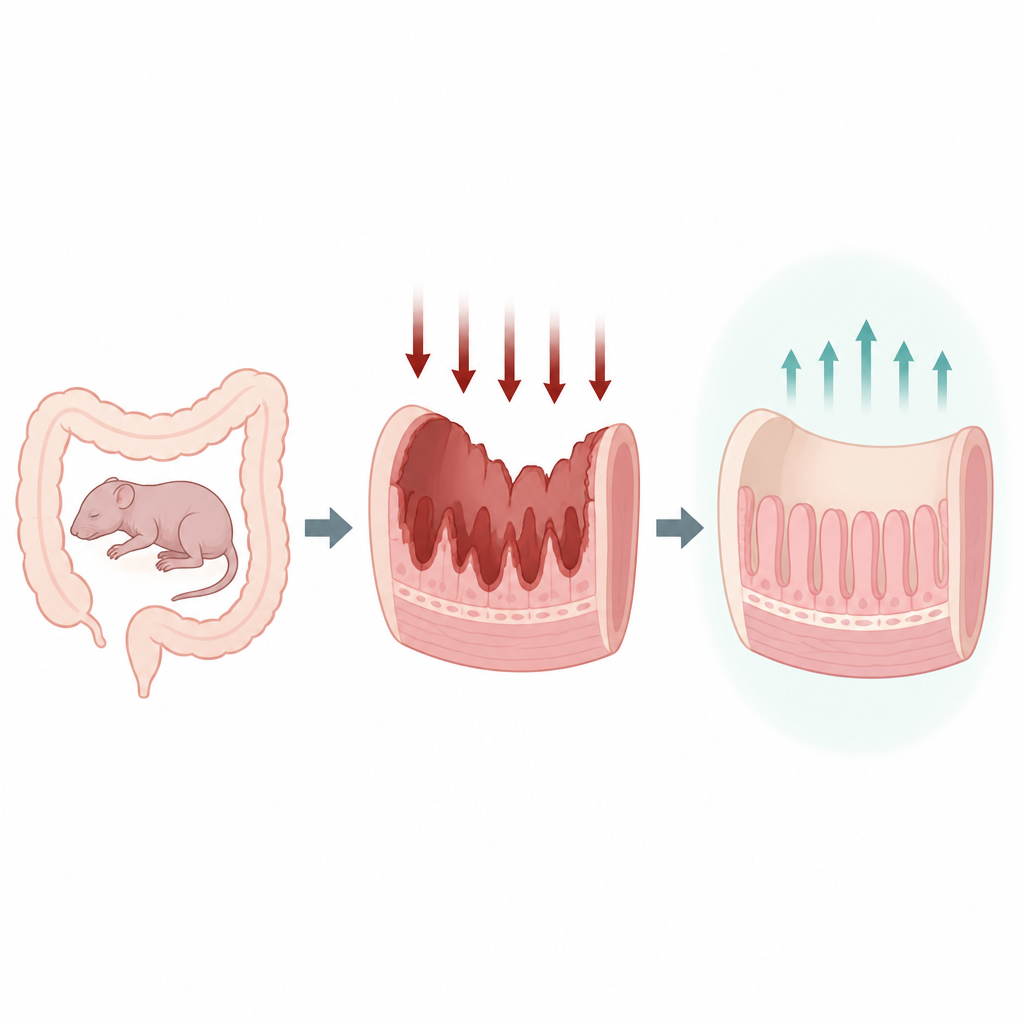
In necrotizing enterocolitis, patches of the intestine become inflamed, lose their normal barrier, and in severe cases die and perforate. One major trigger is thought to be poor blood flow and low oxygen in the gut wall, which set off inflammatory reactions and programmed cell death in the cells that line the intestine. The authors focused on this oxygen starved setting by using rat pups exposed to short bursts of pure nitrogen and cold stress, creating a controlled, necrotizing enterocolitis like intestinal injury without complicating factors such as heavy feeding or deliberate infection.
Testing a blood flow drug as a shield
Sildenafil is best known for treating erectile dysfunction and high blood pressure in the lungs, where it works by boosting a signaling molecule that relaxes blood vessels and improves circulation. Animal studies in other organs had hinted that sildenafil might also calm oxidative stress and limit cell death. To test this idea in the gut, the researchers pretreated rat pups for four days with low, medium, or high doses of sildenafil before exposing them to repeated low oxygen and cold episodes. They then examined the small intestine under the microscope and measured molecular markers tied to oxygen sensing and cell survival.
What the intestines revealed
Rat pups exposed to low oxygen without protection showed severe injury: the fingerlike villi that absorb nutrients were blunted or destroyed, the tissue structure was disorganized, and many cells bore signs of irreversible programmed cell death. Key molecules that push cells toward death were greatly increased, while a molecule that helps cells resist death was reduced, tipping the balance toward destruction. Sildenafil pretreatment softened this damage in a dose dependent way. At the highest dose, villi remained more intact, the supporting connective tissue was preserved, and the pattern under the microscope resembled that of healthy controls far more than that of untreated injured animals.
How the drug calmed stressed cells
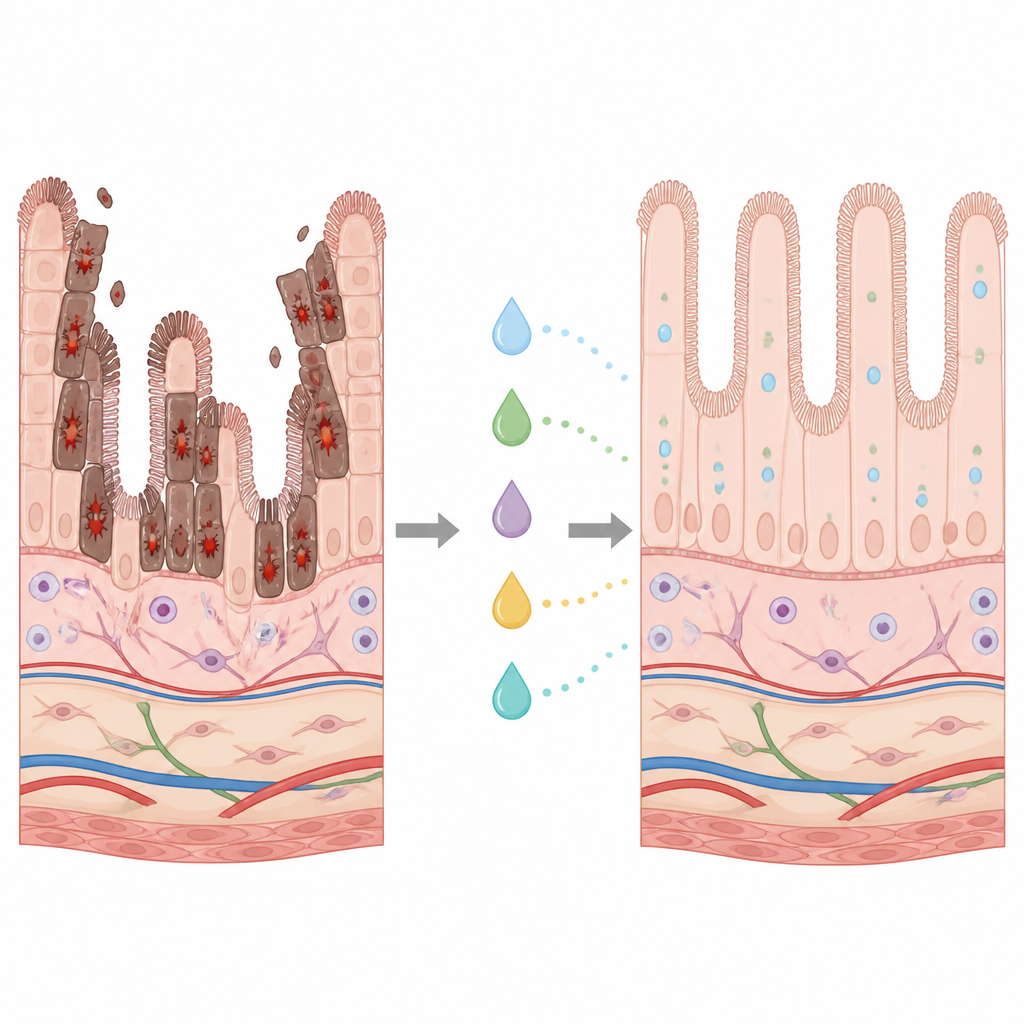
On a molecular level, low oxygen in the model strongly boosted an oxygen sensing factor and a pro death protein, while dampening an anti death protein in the intestinal lining. This combination raised a key ratio that signals a strong push toward cell suicide and was linked with high levels of an executioner enzyme that marks the final step of programmed cell death. Sildenafil reversed many of these shifts. In treated pups, the oxygen sensing factor dropped toward normal, the pro death signal declined, and the protective protein rose, lowering the harmful ratio and sharply reducing the executioner enzyme in intestinal cells. These changes matched the milder injury seen in tissue samples, suggesting that the drug helped cells ride out oxygen stress instead of self destructing.
What this could mean for fragile babies
The findings show that, in a rat model where low oxygen is the main driver of gut damage, advance treatment with sildenafil can lessen structural injury and quiet the internal signals that push intestinal cells toward death. For parents and clinicians, this does not yet translate into a ready made treatment, because the model does not capture all the factors at play in premature infants and the drug has not been tested for this purpose in babies. However, the work points to the idea that carefully tuning how gut cells sense oxygen and decide between life and death may offer a future pathway to reduce the toll of necrotizing enterocolitis.
Citation: Kurtuluş, Ş., Öztopuz, Ö., Karaboğa, İ. et al. Sildenafil pretreatment attenuates apoptosis and intestinal injury in a hypoxia–ischemia–induced NEC-like rat model. Sci Rep 16, 15774 (2026). https://doi.org/10.1038/s41598-026-46698-1
Keywords: necrotizing enterocolitis, sildenafil, intestinal injury, hypoxia, apoptosis