Clear Sky Science · en
Gallbladder removal induces hepatic transcriptional and metabolic shifts with cholesterol dysregulation as a key feature
Why this common surgery matters for your liver
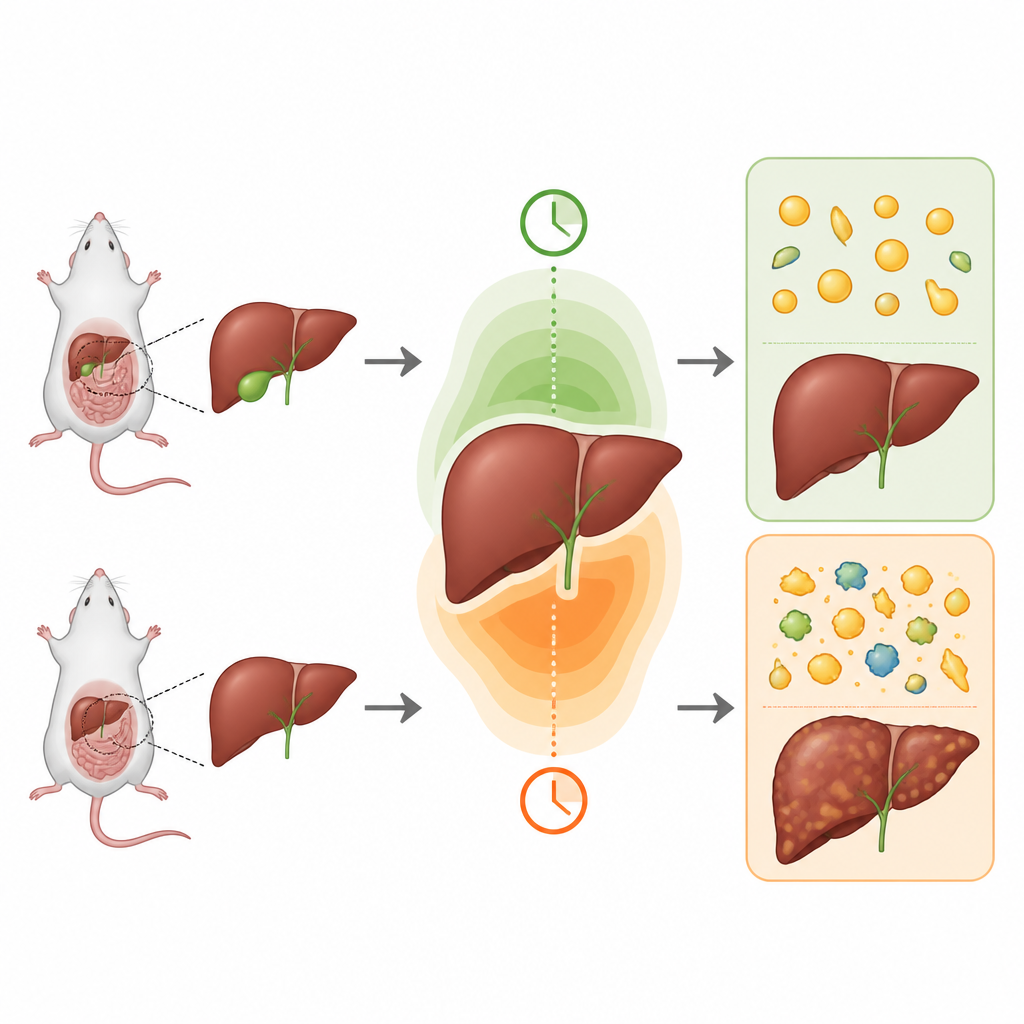
Gallbladder removal is one of the most frequently performed operations worldwide, often treated as a simple fix for painful gallstones. Yet many people later develop weight and liver problems, raising a troubling question: does losing this small bile-storing pouch quietly reshape how the liver works? This study in mice takes a deep look inside the liver after gallbladder removal, tracking both gene activity and chemical changes to reveal how cholesterol and other fats are handled over time.
What the gallbladder really does
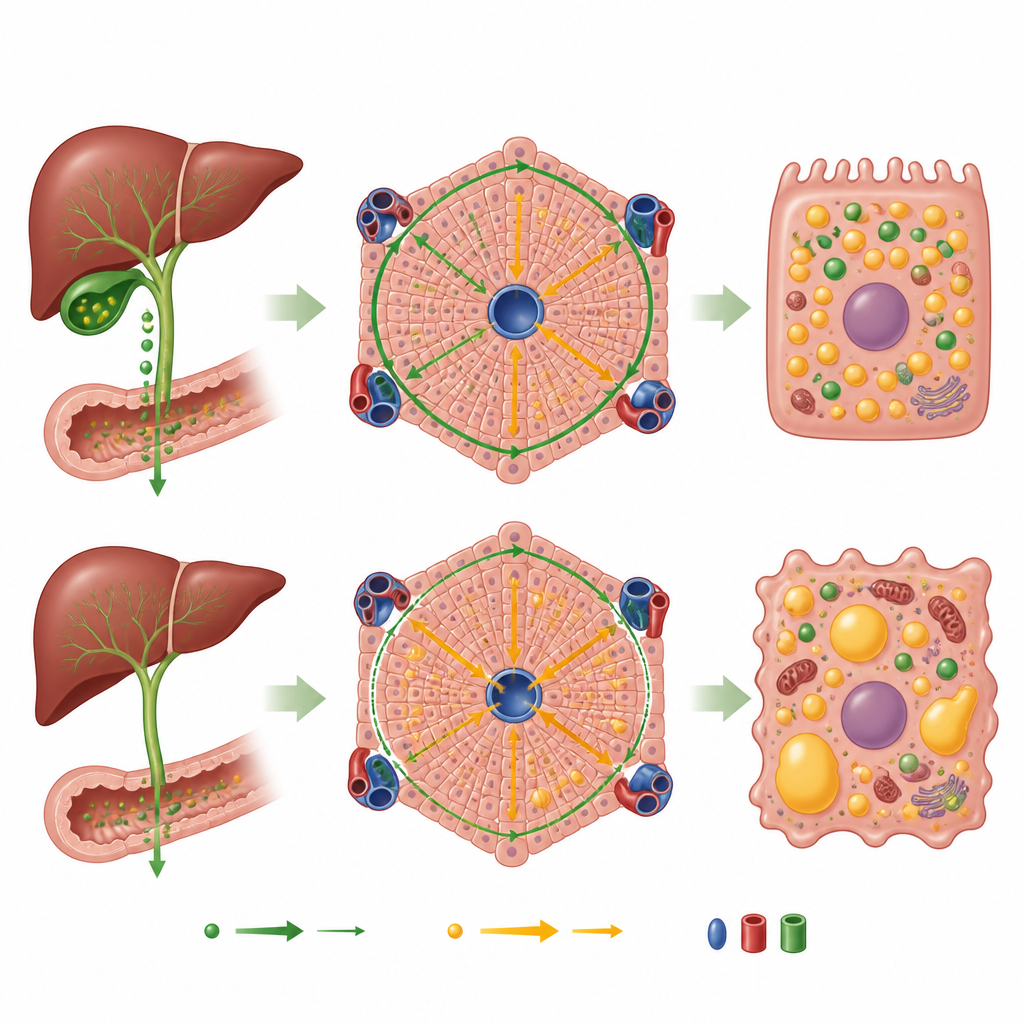
The gallbladder sits beneath the liver and acts like a timed reservoir for bile, a fluid that helps digest dietary fat. When we eat, the gallbladder squeezes stored bile into the intestine; between meals, most bile acids are taken back up into the bloodstream and returned to the liver for reuse. Because some animals thrive without a gallbladder, the organ has long been seen as optional. However, clinical studies link gallbladder removal with higher rates of fatty liver and metabolic syndrome. The researchers set out to test whether the liver’s inner workings truly stay unchanged after this surgery.
How the study followed liver changes over time
Scientists removed the gallbladder from healthy male mice and compared them with sham-operated mice whose gallbladders were left in place. They examined liver tissue one week and one month after surgery. Using RNA sequencing, they measured which genes turned on or off, and with metabolomics, they cataloged more than two thousand small molecules, including fats, bile acids and signaling compounds. By combining these two layers of information, they could map entire pathways, rather than single markers, that shifted in response to gallbladder loss.
Early liver response: repair and gear-up
One week after surgery, the liver showed a classic stress and repair response. Genes involved in building and folding new proteins, and in assembling ribosomes, were strongly activated. This suggests the liver was busy replacing damaged components and restoring normal function. At this stage, many altered metabolites belonged to lipid and organoheterocyclic groups, and most were increased. Pathway analysis pointed to disturbed balance in certain vitamin-like molecules and early hints of change in cholesterol and steroid-related compounds, but the main story was a short-term surge in protein production and cellular housekeeping.
Later shift: immune activity and cholesterol imbalance
By thirty days, the picture had changed dramatically. Now, hundreds of genes tied to immune pathways and inflammatory signaling were more active. At the same time, gene sets linked to energy generation in mitochondria and to breaking down cholesterol into bile acids were dialed down. The chemical profile of the liver also shifted: lipids and bile-related molecules dominated the list of altered metabolites, with several bile acids and cortisol-like steroids rising. Transport systems that normally move cholesterol and bile acids out of cells appeared affected, hinting at a disrupted “acquire, use, clear” cycle. Together, these findings suggest that a liver without a gallbladder gradually slides into a state of lower energy output, heightened inflammation and mismanaged cholesterol.
Why this could matter for everyday health
Over time, the combination of sluggish energy handling, chronic low-level inflammation and cholesterol imbalance is thought to pave the way toward fatty liver disease. In the mice, gallbladder removal alone was enough to trigger these silent shifts, even without a high-fat diet or obesity. While animal results do not directly dictate patient care, they support clinical observations that cholecystectomy may raise the risk of non-alcoholic fatty liver disease. For patients and doctors, the message is not that this surgery is unsafe, but that the gallbladder plays a more active role in whole-body metabolism than once believed, and that long-term liver health deserves attention after it is removed.
Citation: Liang, F., Yang, Q., Xie, L. et al. Gallbladder removal induces hepatic transcriptional and metabolic shifts with cholesterol dysregulation as a key feature. Sci Rep 16, 16087 (2026). https://doi.org/10.1038/s41598-026-46659-8
Keywords: gallbladder removal, liver metabolism, cholesterol, bile acids, fatty liver disease