Clear Sky Science · en
Metabolomic analysis reveals the role of gut microbiota metabolic disorders in heart failure due to congenital heart disease
Why tiny guts matter for failing hearts
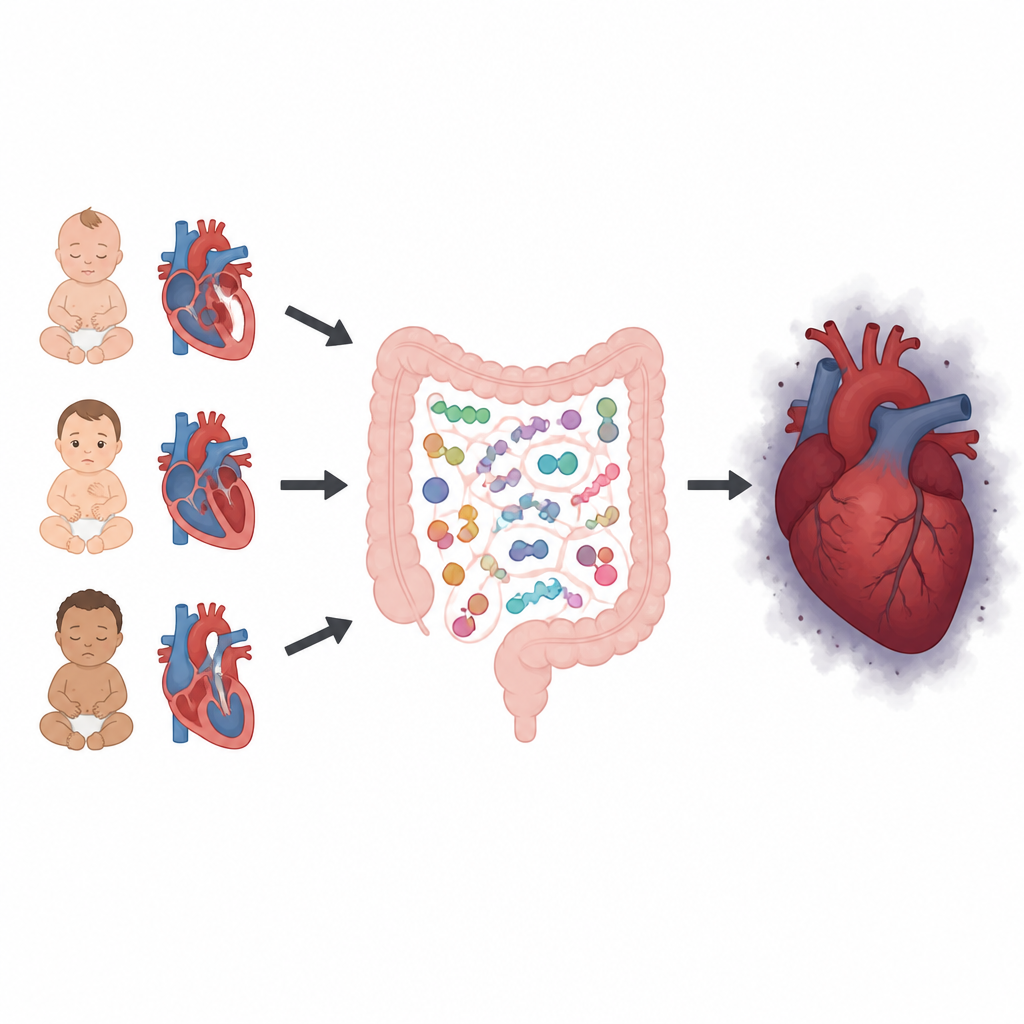
Heart failure in babies born with heart defects is frightening for families and hard for doctors to treat. While modern drugs support the struggling heart, they do not work for everyone, especially in fragile infants. This study looks in an unexpected place for clues: the mix of microbes and chemicals in the gut. By examining stool samples from infants with and without heart failure, the researchers asked whether chemical byproducts from gut microbes might be linked to how sick the babies’ hearts are.
Looking inside the baby gut
The team studied 30 infants with heart failure caused by common birth defects that create an abnormal blood flow between the heart’s chambers or vessels, and compared them with 30 healthy infants of the same age and sex. All were mainly milk fed, and samples were taken before surgery or heart medicines to avoid treatment effects. Instead of counting microbes directly, the researchers used a technique called metabolomics, which profiles hundreds of small molecules made or modified by gut bacteria. These chemical fingerprints can reveal how the gut ecosystem is working, much like smoke reveals a fire.
Many gut chemicals shift in heart failure
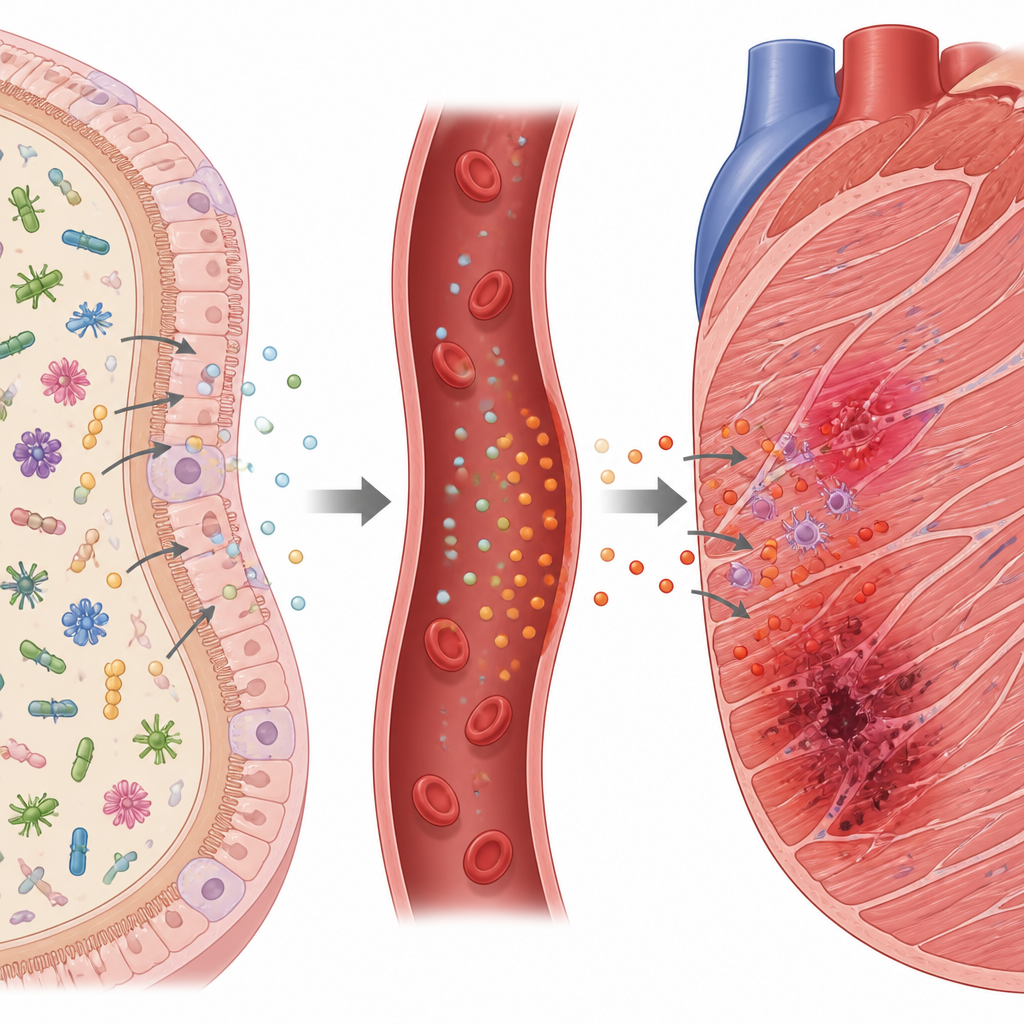
The analysis showed broad shifts in the chemical mix in the stools of infants with heart failure. Levels of 272 different molecules differed from those in healthy babies. Some, such as indoxyl, arachidonic acid and erucic acid, were clearly higher in the heart failure group, while others dropped. Indoxyl is produced when gut bacteria break down the amino acid tryptophan. Arachidonic acid is a fatty molecule present in all cells and is a building block for many inflammatory substances. Such changes suggest that gut microbes in these infants are working in a different, less balanced way, which may feed into disease processes throughout the body.
Key chemical pathways run hotter
To move beyond single molecules, the researchers mapped altered chemicals onto known metabolic routes in the body. They found that pathways involved in processing certain fats, especially linoleic acid and arachidonic acid, as well as a control system called the PPAR signaling pathway, were more active in infants with heart failure. These routes help govern energy use, fat handling and immune activity. When they are overly switched on, they can encourage inflammation and oxidative stress, two processes that can injure heart muscle and blood vessels. The findings support the idea that a disturbed gut ecosystem may help drive a more inflamed, stressed state in these infants.
Stronger gut signals, sicker hearts
The team then asked whether these gut chemicals tracked with how sick the babies were. They compared chemical levels with a blood marker of heart strain known as NT-BNP and with a bedside scoring system that rates symptoms such as breathing difficulty and liver swelling. Higher levels of indoxyl and arachidonic acid were linked to higher NT-BNP levels and worse heart failure scores. This means that as these gut-derived substances rise, the infants tend to have more severe heart problems, although the study cannot prove that the chemicals cause the damage.
What this means for future care
For families and clinicians, the study suggests that the gut may be more than a bystander in infant heart failure. In babies with congenital heart disease, disturbed gut microbes appear to produce more of certain chemicals tied to inflammation and stress in the heart. While this early work cannot yet guide treatment, it raises the possibility that future care might include ways to gently steer the gut ecosystem and its chemical output, alongside surgery and medicines, to better protect vulnerable young hearts.
Citation: Zhang, QL., Ou, QX., Wang, Y. et al. Metabolomic analysis reveals the role of gut microbiota metabolic disorders in heart failure due to congenital heart disease. Sci Rep 16, 15381 (2026). https://doi.org/10.1038/s41598-026-46524-8
Keywords: gut microbiota, infant heart failure, congenital heart disease, metabolomics, arachidonic acid