Clear Sky Science · en
Value-added assessment of career planning for vocational competence based on deep learning
Why your future career needs smarter guidance
Choosing a career is no longer a one-time decision but a long journey shaped by new skills, shifting job markets, and personal growth. Traditional career tests and generic counselling often miss this moving target. This study introduces a new way to plan careers that treats your abilities as something that grows over time, and uses advanced artificial intelligence to suggest step‑by‑step paths that can pay off in the long run.
From static snapshots to living skill profiles
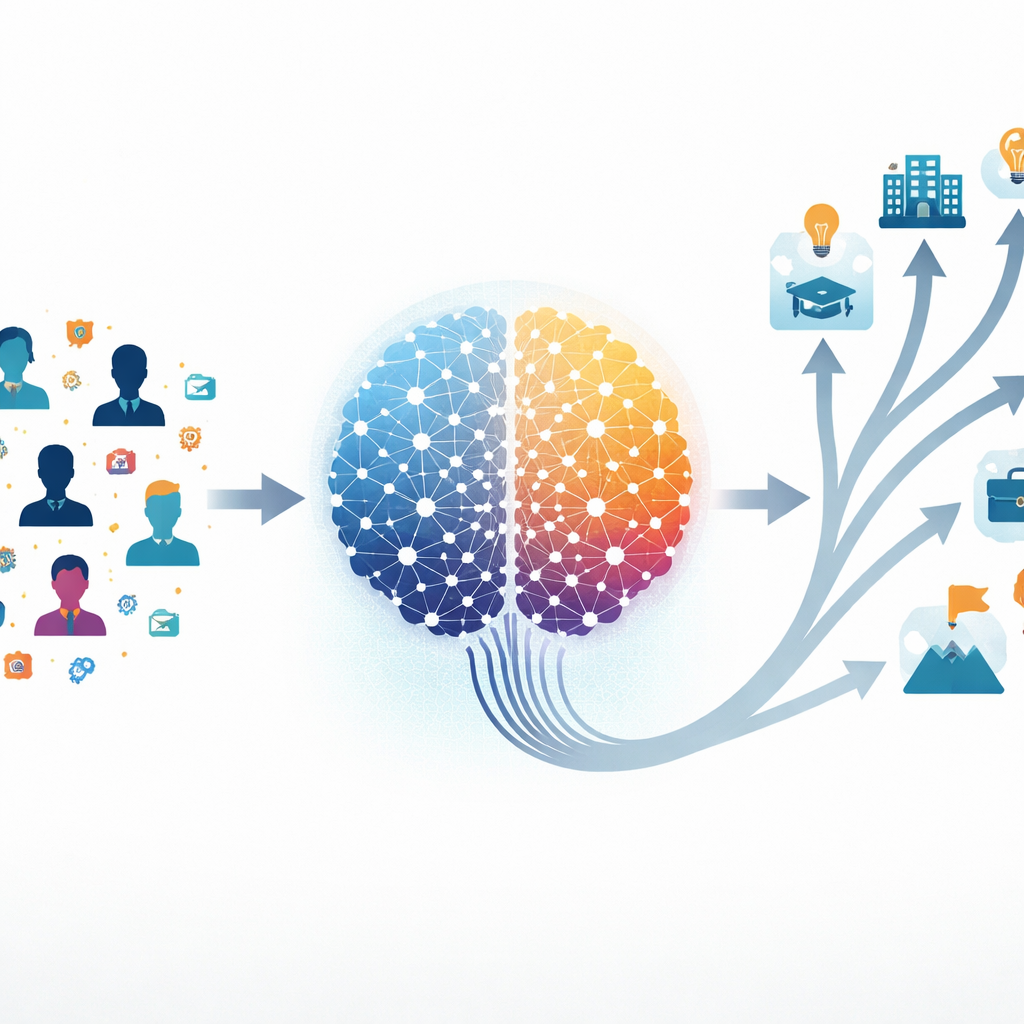
Most career tools look at who you are right now: your interests, grades, or a single skills checklist. The model in this paper, called DV‑CAM, instead builds a living profile that changes as you collect new experiences. It pulls together many kinds of information, such as project descriptions, skill badges, and performance scores, and feeds them into powerful language and sequence models. These models, originally designed to understand text and time‑based patterns, turn a messy history of activities into a structured picture of your strengths across dozens of ability areas, from technical know‑how to teamwork and communication.
Measuring not just strength, but growth and stability
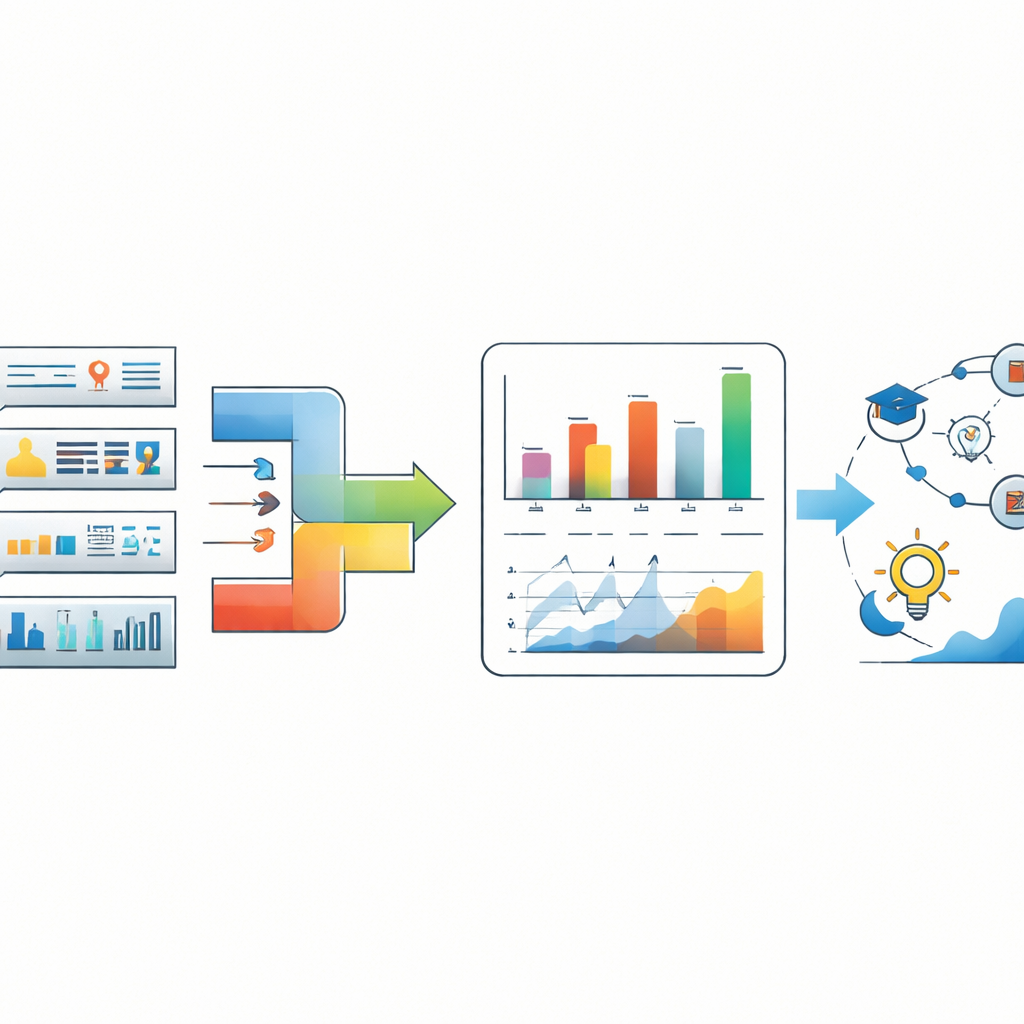
The second step of DV‑CAM is to judge potential, not only current power. Instead of asking only “How good is this person now?”, the model also asks “How fast are they improving?”, “Is their progress speeding up?”, and “Is it steady or shaky?”. For each ability, it tracks the latest level, the overall upward trend over several years, whether that trend is accelerating, and how much it wobbles. These pieces are blended into a single score that highlights “high value‑added” abilities: areas where a person may not yet look outstanding on paper but is learning quickly and consistently. This mirrors everyday experience that future stars often start from modest levels but grow rapidly when given the right chances.
Turning potential into step‑by‑step career paths
Once the model understands both current abilities and growth potential, it tackles the harder question: which actions today will most improve a person’s long‑term career? Here the study uses a branch of AI called deep reinforcement learning. The system treats career development as a game played over many rounds. At each step, it considers the person’s abilities, their growth scores, and the demands of a target job. It then chooses from possible actions, such as learning a new skill or taking on a challenging project. After each choice, it receives feedback based on how much the action improved abilities, how much closer it brought the person to their desired job, and what it “cost” in effort or time. Over many simulated careers, the model learns strategies that balance short‑term effort against long‑term gain.
Testing the model in a simulated job market
To test DV‑CAM safely and systematically, the author built a large synthetic dataset from the well‑known O*NET job database, which describes more than a thousand occupations and their skill needs, salaries, and market trends. Using this controlled environment, the model tracked 10,000 virtual careers over five years. Compared with simpler systems that either ignore time or skip the growth and planning steps, DV‑CAM estimated people’s competencies more accurately and proposed development paths that led to much higher long‑term rewards and better matches with target jobs. Removing either the growth‑focused scoring or the long‑range planning engine noticeably weakened performance, showing that both pieces are crucial.
What this approach could mean for real people
Although the current study relies on simulated data and does not yet include fairness controls or real‑world shocks such as recessions, it sketches a powerful new way to support career decisions. Instead of static labels or one‑off advice, future tools based on this framework could watch how a student or worker actually grows, spot hidden strengths still on the rise, and recommend concrete next steps that make the best use of limited time and energy. In simple terms, the article shows that by combining growth‑aware scoring with long‑term planning, AI can move from telling you where you fit today to guiding how you can realistically grow into the job you want tomorrow.
Citation: Zhang, W. Value-added assessment of career planning for vocational competence based on deep learning. Sci Rep 16, 10704 (2026). https://doi.org/10.1038/s41598-026-46485-y
Keywords: career planning, vocational skills, deep learning, reinforcement learning, education analytics