Clear Sky Science · en
Comparative analysis of pathways induced by TMAO and TNF-α in human microvascular endothelial cells
Food, body signals, and fragile blood vessels
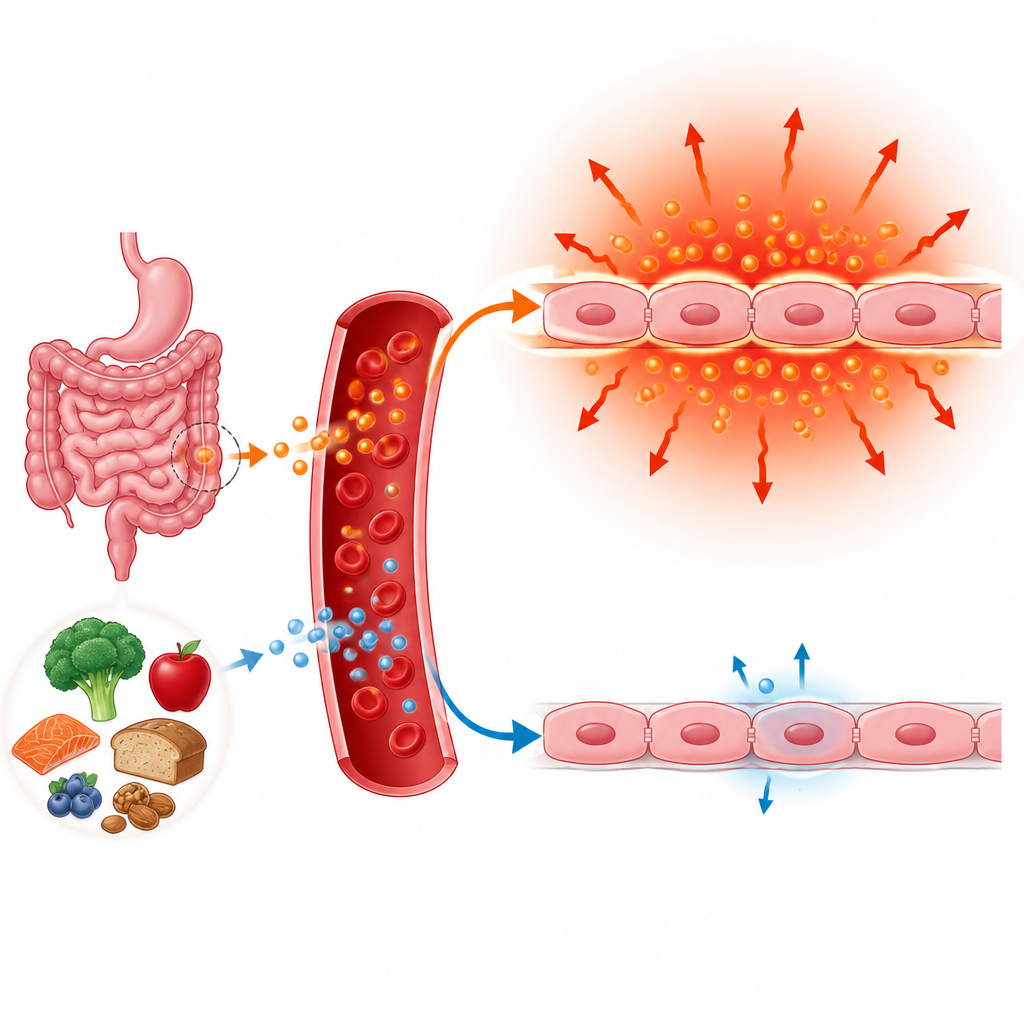
What we eat and how our immune system behaves both leave marks on the tiny blood vessels that feed every organ. This study looks at two familiar culprits: a diet related chemical made by gut microbes and a powerful immune signal. By watching how each one affects human vessel lining cells in the lab, the researchers show that these triggers do not damage the circulation in the same way, even though both are linked to heart and metabolic disease.
Two troublemakers with different roots
The first molecule, trimethylamine N oxide, or TMAO, is made when gut bacteria break down nutrients found in red meat, eggs, fish, and dairy products. Higher blood levels of TMAO have been tied to heart disease, stroke, and diabetes, especially in people whose bodies clear it poorly. The second molecule, tumor necrosis factor alpha, or TNF alpha, is a strong immune messenger released during infection, obesity, and other long lasting inflammatory conditions. Both are widely used in experiments to mimic chronic inflammation, but until now they had not been compared side by side in the same human vessel cells.
Testing the effects on tiny vessel lining cells
The team grew human microvascular endothelial cells, which line small blood vessels and are among the first cells to feel the impact of metabolic stress. They exposed these cells for two days to a high but disease relevant dose of TMAO or to a commonly used dose of TNF alpha that mimics a local inflammatory hotspot. Then they used RNA sequencing to read which genes were turned on or off, confirmed key changes with targeted gene tests, and measured dozens of secreted immune proteins in the surrounding fluid. This allowed them to build a detailed picture of how each trigger reshapes cell behavior.
TNF alpha sparks a storm of inflammation
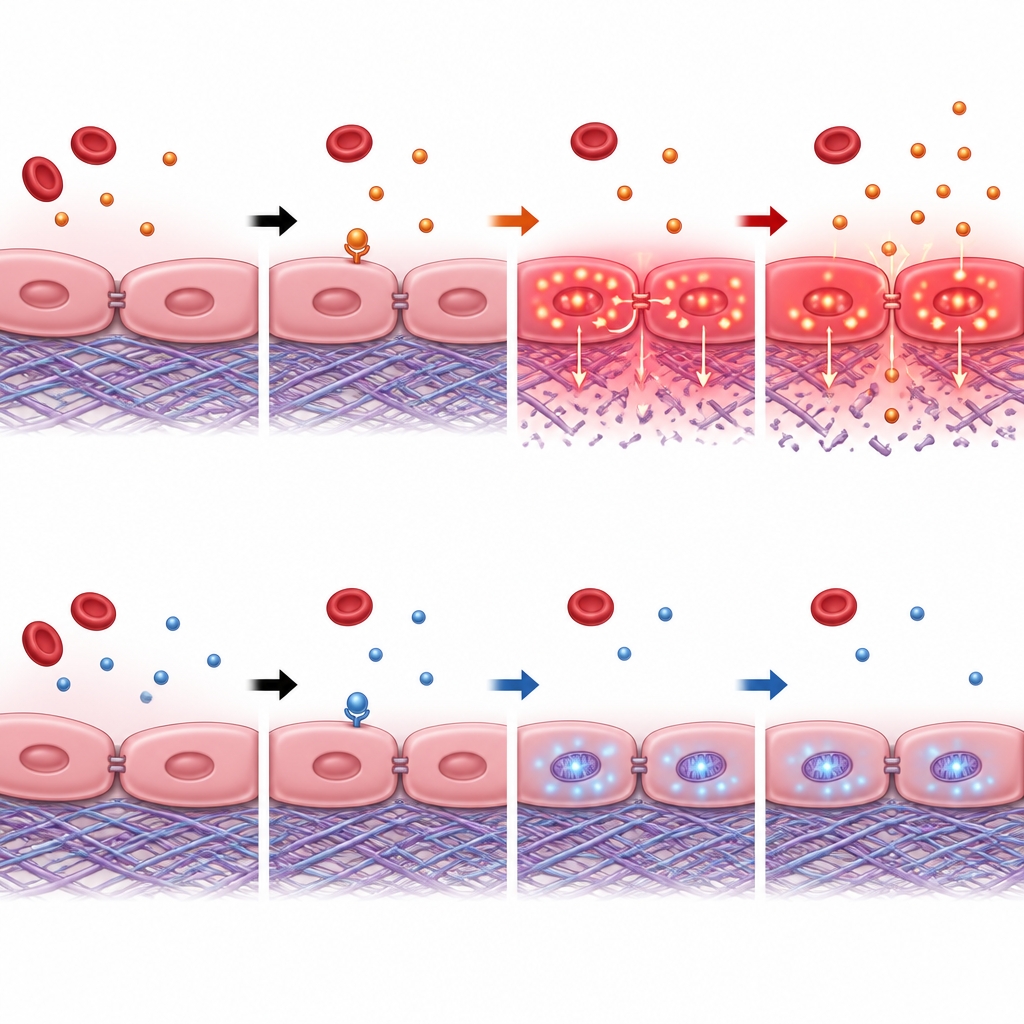
TNF alpha produced a dramatic shift in gene activity. Thousands of genes changed, particularly those linked to immune responses, interferon signaling, and the release of cytokines and chemokines that attract white blood cells. The cells also ramped up enzymes that remodel the support mesh around vessels, making it easier for immune cells to enter tissues but also risking long term damage. Pathways tied to fatty acid breakdown and cholesterol handling were suppressed, hinting that this immune signal also disturbs lipid metabolism. Protein measurements matched these patterns, showing large increases in multiple inflammatory messengers and adhesion molecules that help blood cells stick to the vessel wall.
TMAO quietly rewires cell energy use
In contrast, TMAO caused a far subtler response. Only a small set of genes changed, and instead of igniting a broad inflammatory cascade, TMAO mainly boosted genes involved in oxidative phosphorylation, the energy making machinery of mitochondria. This shift in energy metabolism is known to increase the risk of producing reactive oxygen species, chemically reactive molecules that can injure cells and slowly promote inflammation. At the same time, TMAO reduced the activity of genes that help cells anchor themselves to their surrounding support structure, suggesting a gradual weakening of the vessel wall. Yet the cells did not release higher levels of most cytokines, underscoring that TMAO acted more as a metabolic stressor than a classic immune trigger under these conditions.
Why these differences matter for heart and metabolic health
Together, the results show that TNF alpha behaves like a loud alarm that drives strong inflammation, disrupts the vessel support network, and reshapes fat handling, while TMAO acts more like a slow toxin that alters energy use and gently nudges the vessel lining toward dysfunction. Both routes can feed into cardiovascular and metabolic diseases, but they do so through distinct pathways. Understanding these differences helps scientists choose better cell models for testing new therapies, clarifies how diet and gut microbes intersect with immune signals, and supports the idea that TMAO may serve as both a warning marker and a potential target for reducing long term cardiometabolic risk.
Citation: Shanmugham, M., Devasia, A.G., Oguz, G. et al. Comparative analysis of pathways induced by TMAO and TNF-α in human microvascular endothelial cells. Sci Rep 16, 15951 (2026). https://doi.org/10.1038/s41598-026-46466-1
Keywords: endothelial dysfunction, TMAO, TNF alpha, cardiometabolic disease, inflammation