Clear Sky Science · en
Quality and reliability of femoral neck fracture educational short videos: a cross-sectional study
Why Online Health Videos Matter
More and more people, especially older adults and their families, turn to short online videos when they want to understand a medical problem. For a serious hip injury called a femoral neck fracture—a break near the top of the thigh bone—good information can shape how quickly someone seeks care, follows treatment, and recovers. This study looks at how reliable and practical short videos about this fracture are on two of China’s biggest platforms, TikTok and Bilibili, and asks a simple question: do these popular clips actually help patients?

Hip Fractures and the Rise of Short Videos
Femoral neck fractures are common in older people and can be life‑changing, sometimes called the “last fracture” because they are so closely tied to loss of independence and even early death. At the same time, short‑video apps have exploded in popularity, offering quick, eye‑catching explanations of health topics. The authors note that many adults now search the internet for medical guidance before ever seeing a doctor. For a condition like a hip fracture, where surgery timing, early movement, and careful rehab all matter, misleading or shallow videos can delay proper care, while clear ones can help families prepare and participate in treatment decisions.
How the Researchers Tested the Videos
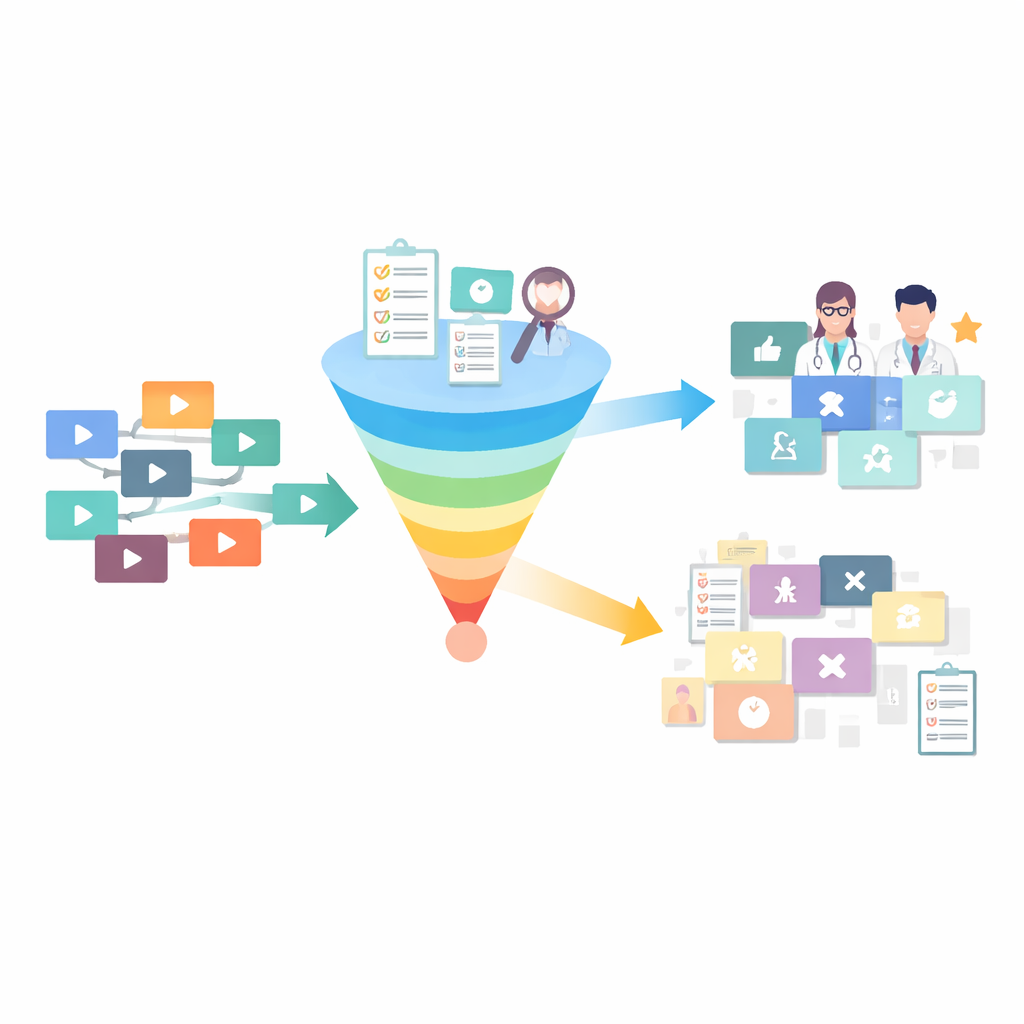
The team searched TikTok and Bilibili for the term “femoral neck fracture” and collected the top 100 videos from each platform as they would appear to a new, not‑logged‑in user. After removing duplicates and clips that were off‑topic, they analyzed 166 videos in detail. Each video was labeled by who posted it—such as individual doctors, hospitals, patients, or non‑medical organizations—and what it covered: basic disease information, treatment options, rehab training, or personal stories. Two senior orthopedic doctors independently scored every video using several tools: one measured basic reliability, another gave an overall quality score, a new checklist tested whether key treatment guidelines were included, and a final tool judged how easy the video was to understand and whether it gave clear steps patients could follow.
What They Found About Quality
Most videos were made by medical professionals, but overall quality was still only moderate. Fewer than one in five videos reached a high overall quality score. Bilibili videos tended to be longer and scored better than those on TikTok, suggesting that extra time allows more complete explanations. Clips focused on basic disease knowledge and rehab training generally performed best, while personal experience videos scored the worst on reliability and scientific soundness. A closer look at medical details revealed worrying gaps: many videos did not mention vital elements of care after surgery, such as preventing blood clots in the legs or treating underlying bone weakness to stop future fractures. Some videos—even if a minority—contained outright wrong or misleading claims, especially when posted by non‑professionals.
Helpful but Not Very Action‑Focused
When the researchers examined how easy the videos were to follow, they found a mixed picture. Professional creators and institutions usually produced clips that viewers could understand, with clear explanations and reasonable structure. However, very few videos told patients exactly what to do—step‑by‑step instructions for safe exercises, home care, or warning signs were often missing. Rehab training videos were the main exception; these were far more likely to give concrete, actionable guidance. Interestingly, the usual signs of popularity—likes, saves, and shares—had almost no link to how good or accurate a video was. In some cases, lower‑quality videos attracted more attention than better ones, highlighting how easily eye‑catching content can overshadow trustworthy information.
What This Means for Patients and Families
The study concludes that while TikTok and Bilibili offer easy access to information about femoral neck fractures, many of the videos fall short of what patients truly need. Viewers cannot assume that a widely shared video is reliable or complete. Professional sources, especially hospitals and trained clinicians, tend to provide better and clearer content, but important safety details and practical “what to do next” steps are still often lacking. The authors argue that platforms should highlight verified medical content, and health professionals should design videos that are both accurate and genuinely useful in everyday life. For families facing a serious hip fracture, these results are a reminder to treat short videos as a starting point—not a final word—and to confirm key decisions with qualified medical teams.
Citation: Tu, J., Xie, S., Zheng, J. et al. Quality and reliability of femoral neck fracture educational short videos: a cross-sectional study. Sci Rep 16, 10652 (2026). https://doi.org/10.1038/s41598-026-46431-y
Keywords: femoral neck fracture, health information quality, short video platforms, patient education, social media and medicine