Clear Sky Science · en
Frequent loving kindness meditation relates to lower anxiety in long term practitioners through higher self compassion and cognitive flexibility
Why this matters for everyday worry
Many people turn to meditation hoping to ease stress and anxiety, yet it is not always clear how much practice is really needed, or which aspects of meditation make the biggest difference. This study looks at a specific style called loving‑kindness and compassion meditation, in which people deliberately cultivate feelings of warmth and care for themselves and others. By examining experienced meditators, the researchers explore how often you need to practice for this approach to relate to lower anxiety, and which inner changes seem to link the practice to emotional relief.
A different kind of meditation practice
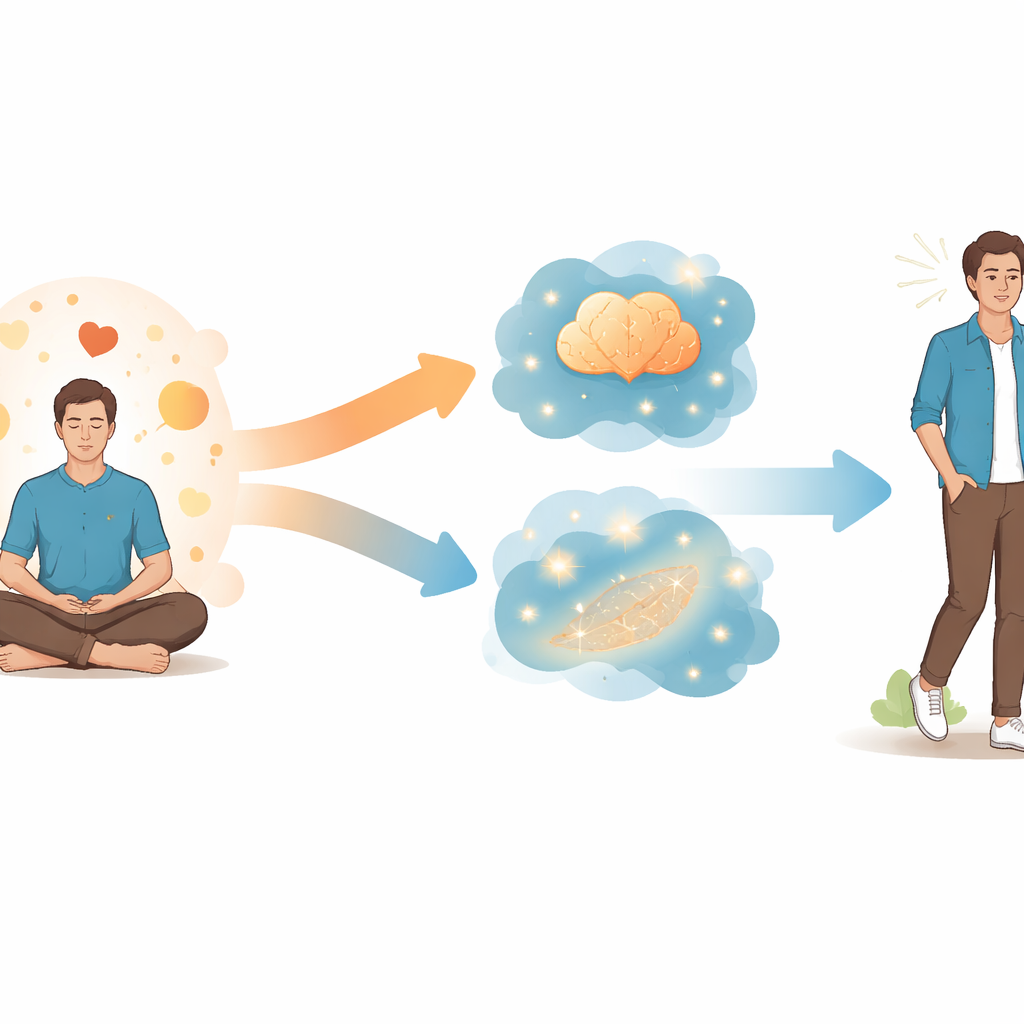
Loving‑kindness and compassion meditation differs from more familiar mindfulness exercises that emphasize simply noticing thoughts and feelings. Instead of only observing, practitioners actively bring up kind wishes and caring images, aiming to soothe the nervous system and strengthen a sense of connection. Earlier research has shown that such practices can boost positive emotions and may alter brain circuits related to empathy and emotion, but results on anxiety have been mixed. One big question is whether the total number of years someone has meditated is what really matters, or whether the week‑to‑week rhythm of practice plays a more important role.
Who took part and what was measured
The study involved 60 adults in Spain who had been practicing loving‑kindness and compassion meditation for between two and fifteen years, with an average of almost seven years. All were enrolled in a structured long‑term program that builds from basic mindfulness skills toward more advanced compassion practices across multiple levels. Participants completed online questionnaires that assessed three main areas: how anxious they felt in daily life, how kindly they related to themselves when struggling (self‑compassion), and how fused they were with their thoughts—that is, how much they tended to get entangled with worries and take them as literal truth, rather than seeing them as passing mental events. The researchers also recorded how many days per week participants practiced formally.
How practice rhythm connects to inner change
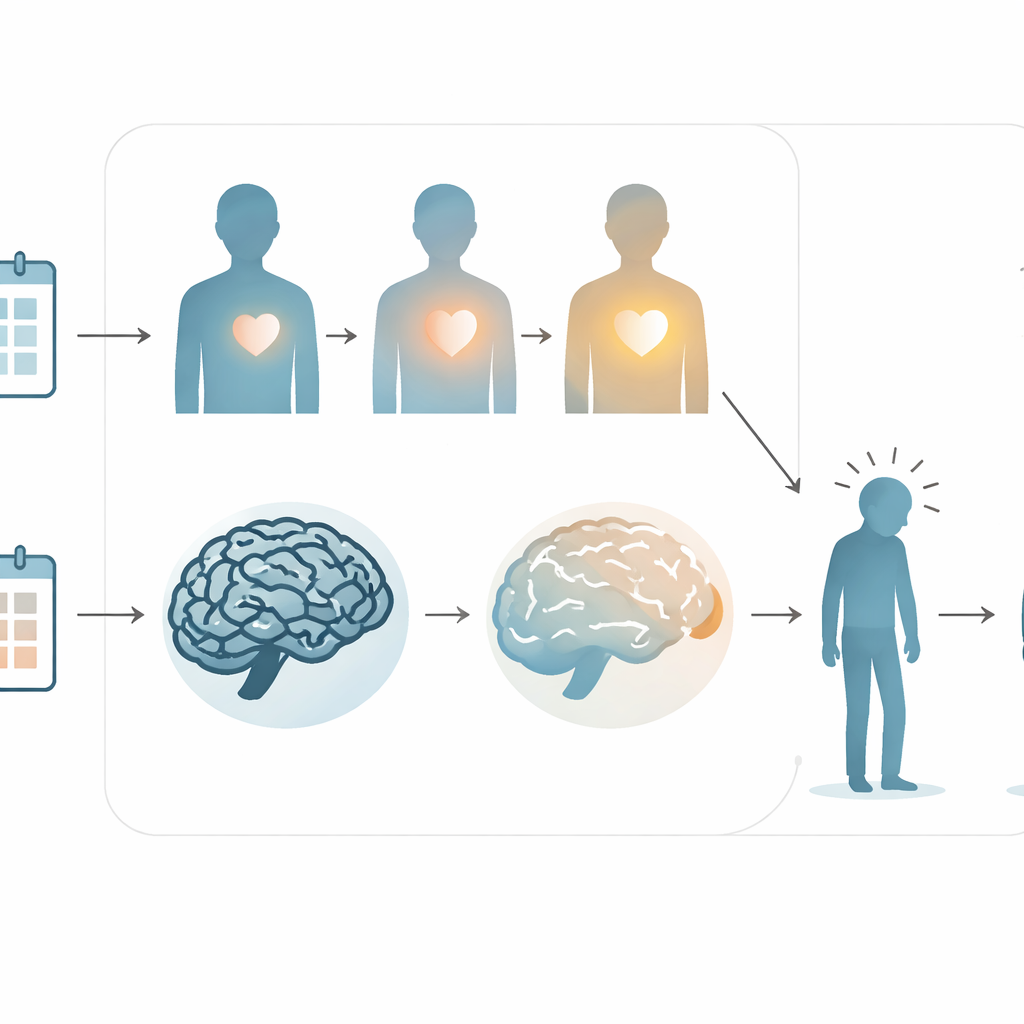
The central finding was that simply having more years of meditation was not directly linked to lower anxiety. Instead, the pattern depended on how frequently people practiced each week and how this practice was related to self‑compassion and mental flexibility. Among people who practiced two to four days per week, more years of experience went hand in hand with higher self‑compassion. In turn, higher self‑compassion was linked to being less caught up in one’s thoughts and, ultimately, to lower anxiety levels. For people who practiced nearly every day, self‑compassion tended to be high regardless of how long they had been meditating, suggesting that frequent practice may help people reach a kind, accepting attitude toward themselves more quickly.
A pathway from kindness to calmer minds
When the researchers looked at these pieces together, they found a chain of relationships: more years of practice were associated with greater self‑kindness, which was related to a more flexible relationship with thoughts, and this in turn was linked to less anxiety. This indirect pathway held most clearly for people who practiced at a moderate intensity—about two to four days per week. At very high frequencies, the benefits to self‑compassion seemed to level off, as if a ceiling had been reached; at that point, extra years of practice no longer made a noticeable difference in self‑kindness or anxiety scores. These results suggest that what counts is not just time logged on the cushion, but how that time shapes a gentler inner stance and loosens the grip of anxious thinking.
What this means for people who meditate
For readers wondering whether loving‑kindness and compassion meditation can help with anxiety, this study offers a hopeful but nuanced message. It supports the idea that this form of practice may ease anxiety not by erasing negative thoughts, but by fostering a kinder relationship with oneself and a more flexible way of handling worries. Regular practice across the week appears important, but daily intensity is not the only route; a steady routine of several days per week, maintained over years, may gradually build the same benefits. In everyday terms, learning to speak to yourself with warmth, recognize your struggles as human, and see anxious thoughts as mental events rather than hard facts may be the key ingredients through which this meditation style contributes to a calmer, more resilient life.
Citation: Yela, J.R., Buz, J., Crego, A. et al. Frequent loving kindness meditation relates to lower anxiety in long term practitioners through higher self compassion and cognitive flexibility. Sci Rep 16, 10722 (2026). https://doi.org/10.1038/s41598-026-46387-z
Keywords: loving-kindness meditation, self-compassion, cognitive flexibility, anxiety, mindfulness practice