Clear Sky Science · en
Impact of FloTrac/EV1000-guided intraoperative hemodynamic optimization on postoperative outcomes in cardiac valve surgery: a randomized controlled trial
Why this heart surgery study matters
Heart valve surgery can give people a new lease on life, but the days spent in intensive care afterward are often tough and risky. Doctors must constantly adjust fluids and powerful heart drugs to keep blood flow just right, yet they often rely on experience and basic monitors to guide those choices. This study tested whether a more precise, step‑by‑step way of steering a patient’s circulation during surgery, using an advanced monitor called FloTrac/EV1000, could make recovery safer and faster.
A smarter way to steer blood flow
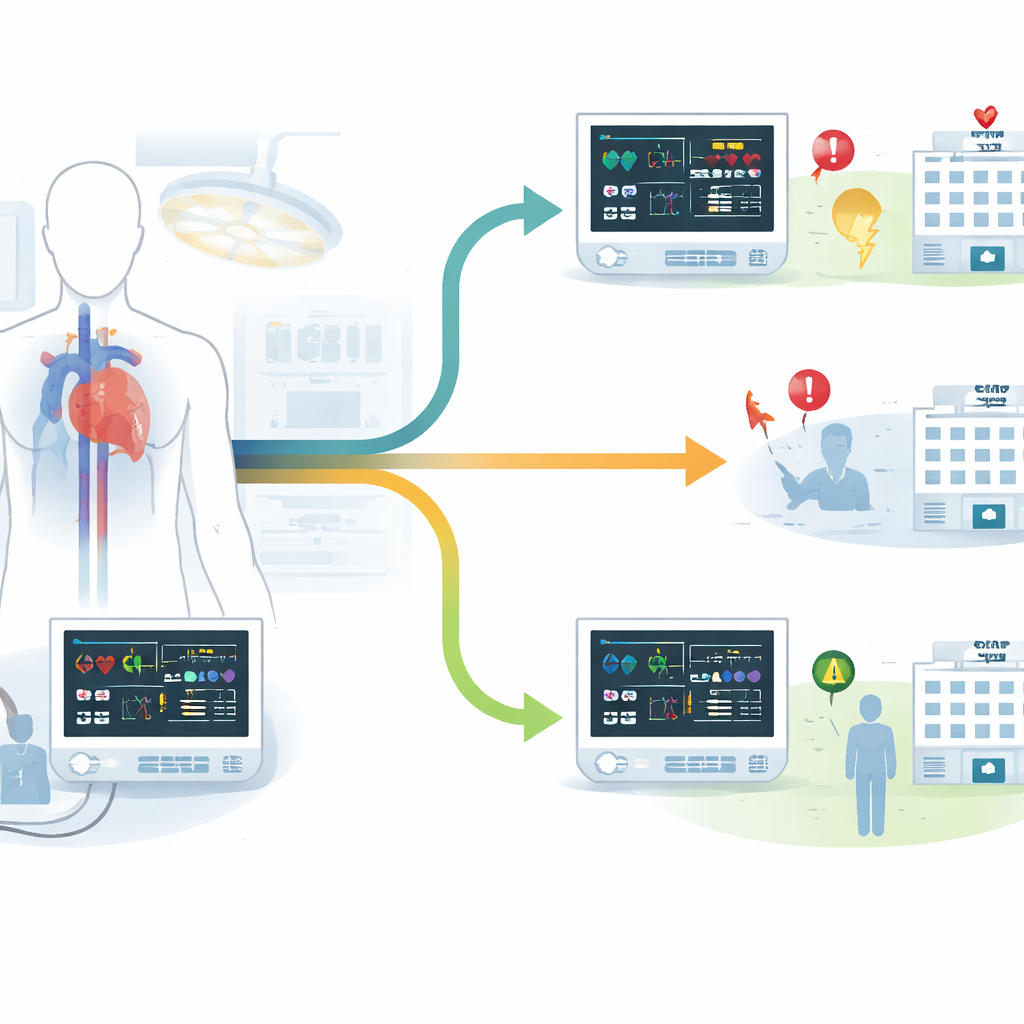
During valve surgery, the heart is stopped and restarted, blood is routed through a heart–lung machine, and the body faces a strong inflammatory shock. Small missteps in blood pressure, blood volume, or heart pumping strength can tip organs like the lungs and kidneys into trouble. The FloTrac/EV1000 system reads subtle changes in the pulse wave in an artery and turns them into continuous estimates of how much blood the heart is pumping and how tight or relaxed the blood vessels are. Instead of guessing whether a patient needs more fluid or another drug, the anesthesiology team can follow a clear algorithm: first correct blood volume, then vessel tone, then heart strength, based on these real‑time signals.
The trial and how it was run
The researchers in Thailand enrolled 82 adults having planned valve surgery, sometimes combined with coronary bypass procedures. Half were randomly assigned to usual care, in which anesthesiologists adjusted fluids and drugs using standard monitors and personal judgment. The other half were treated with the FloTrac/EV1000 system plus a strict, three‑step protocol that responded only when basic goals such as blood pressure and urine output were not met. In that group, the team first used a measure of volume status to decide on fluid or diuretics, then a measure of vessel tightness to choose drugs that narrowed or relaxed blood vessels, and finally a measure of heart output to fine‑tune medicines that strengthened the heartbeat.
Shorter stays and fewer setbacks
Patients managed with the structured FloTrac/EV1000 approach spent less time in intensive care and in the hospital overall. On average, their intensive care stay was about 30 percent shorter, and their total hospital stay was also modestly reduced, even though the two groups had similar types of operations and similar surgery times. While the FloTrac group needed more support drugs early in the operation—reflecting more aggressive fine‑tuning—they required fewer such drugs later, just before leaving the operating room and throughout their time in intensive care. This pattern suggests that early, well‑targeted adjustments paid off as more stable circulation and an easier recovery.
Protecting the heart, lungs, and kidneys
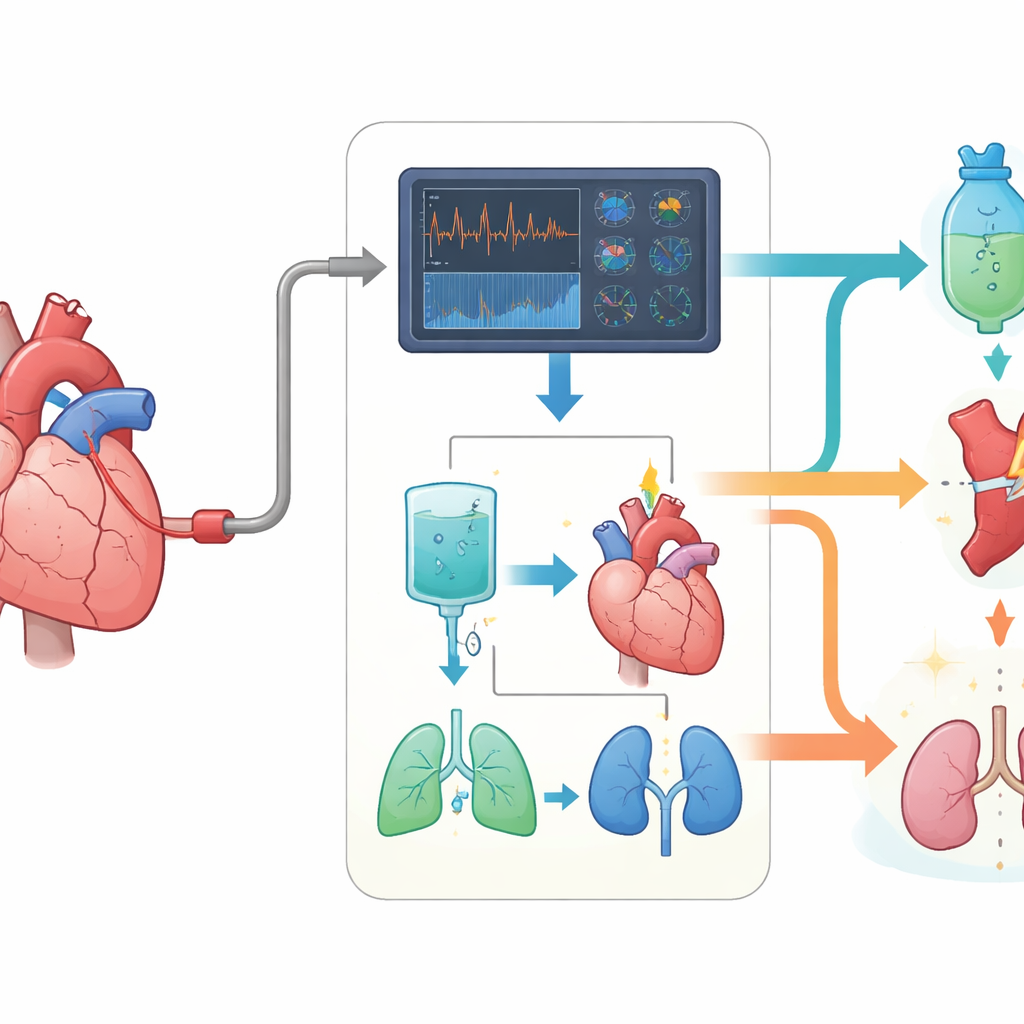
Crucially, the patients guided by FloTrac/EV1000 had fewer serious complications. Dangerous rhythm problems such as ventricular fibrillation were seen only in the standard‑care group, and episodes of very slow or very fast heartbeats were also less frequent with protocol‑guided care. Lung injury resembling severe pneumonia, known as acute respiratory distress, and new kidney damage both occurred only in patients treated with conventional monitoring. These problems are well known to prolong intensive care and can have lasting effects on quality of life, so even small reductions are meaningful for patients and health systems alike.
What this means for patients and hospitals
For people facing valve surgery, this study suggests that combining advanced blood‑flow monitoring with a clear, stepwise game plan can help them leave intensive care sooner and avoid some of the scariest complications. The research cannot yet prove whether the benefit comes mainly from the high‑tech monitor, the disciplined protocol, or both working together, and it was carried out at a single center. Still, the findings add to growing evidence that more precise, goal‑directed care during major heart operations can safeguard vital organs, streamline hospital stays, and likely reduce costs. Larger, multi‑center studies will be needed, but for now the message is simple: carefully guided circulation during surgery can make the road to recovery shorter and safer.
Citation: Tribuddharat, S., Ratanasuwan, P., Sathitkarnmanee, T. et al. Impact of FloTrac/EV1000-guided intraoperative hemodynamic optimization on postoperative outcomes in cardiac valve surgery: a randomized controlled trial. Sci Rep 16, 10698 (2026). https://doi.org/10.1038/s41598-026-46157-x
Keywords: cardiac valve surgery, hemodynamic monitoring, goal-directed therapy, postoperative complications, intensive care stay