Clear Sky Science · en
Sustained decline in healthcare-associated infections despite stabilized antimicrobial use: a 10-year study in Southwestern China
Why This Matters for Patients and Families
When we go into a hospital, we expect to come out healthier—not to pick up a new infection. Yet "healthcare-associated infections" are illnesses people catch during their hospital stay, and they can be deadly, especially where resources are limited. This study from Yunnan Province in Southwestern China followed more than 1.1 million patients over ten years to ask a pressing question: can hospitals keep driving these infections down without endlessly cutting back on antibiotics? The answer offers cautious optimism for patients and health systems around the world.

Watching Hospitals Over a Decade
The researchers drew on annual one-day surveys carried out in hospitals of many sizes across Yunnan from 2015 to 2024. On each survey day, every inpatient in participating hospitals was counted, and detailed information was recorded on whether they had a hospital-acquired infection and whether they were receiving antibiotics. The team also tracked how often doctors ordered lab tests that look for germs in patients’ samples—both overall and specifically before starting antibiotic treatment. This simple, repeated snapshot approach allowed them to see how infection rates, antibiotic use, and testing practices changed together over time.
Fewer Infections, Smarter Use of Antibiotics
Over the ten-year period, the share of patients with a hospital-acquired infection fell by more than half, from about 2 in 100 patients to just under 1 in 100. This steady decline continued even through the upheaval of the COVID-19 pandemic, and it actually sped up after 2020. At the same time, the fraction of patients on antibiotics dropped before the pandemic and then leveled off at roughly one-third of hospitalized patients. In other words, infections kept falling even though hospitals stopped cutting overall antibiotic use as aggressively. Instead of simply trying to prescribe fewer drugs, hospitals increasingly focused on using them more wisely.
The Quiet Power of Better Testing
A key shift happened in how often doctors ordered lab tests to identify the germs causing an illness. Overall testing of eligible patients rose from about three out of five to three out of four. Most striking was the rise in testing before the first antibiotic dose was given. Among patients who truly needed treatment, this pre-prescription testing climbed from roughly half to more than two-thirds after 2017, with the fastest gains after 2020. During the same period, doctors moved away from defensive habits like giving multiple antibiotics at once or prescribing them "just in case." More patients received a single, targeted drug for clear treatment reasons, suggesting a move toward precision rather than blanket coverage.
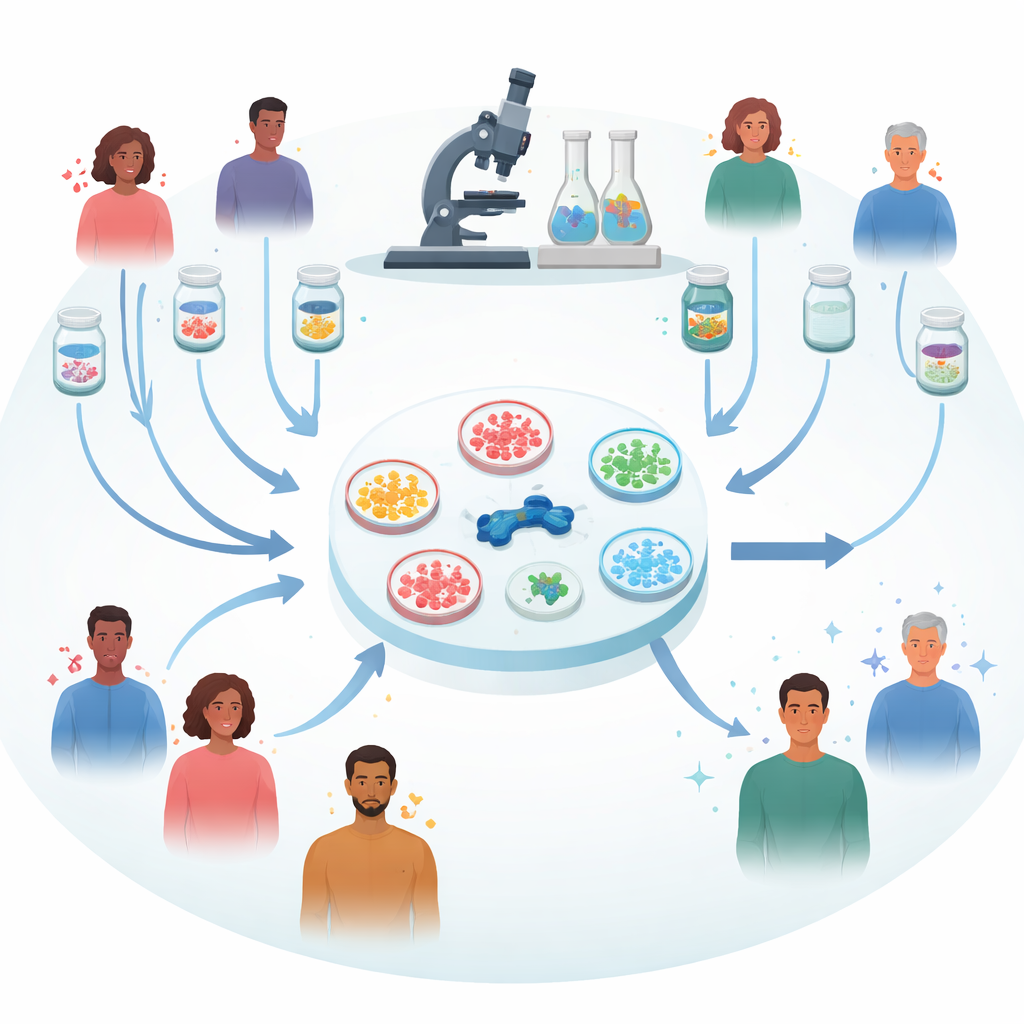
Smaller Hospitals Catch Up
The study also looked at whether large, well-resourced hospitals improved faster than smaller ones. At the beginning, big hospitals had more infections and higher levels of pre-treatment testing. Over time, smaller hospitals improved quickly, narrowing the gap in both infection rates and testing practices. By 2024, differences between the smallest and largest hospitals had shrunk, hinting that province-wide training, shared standards, and support helped raise the floor for everyone—even in settings with limited resources.
What This Means for Everyday Care
For non-specialists, the central message is reassuring: hospitals can keep patients safer not just by using fewer antibiotics, but by using them better. In Yunnan, stronger emphasis on taking samples before treatment, checking which germs are present, and tailoring drugs accordingly coincided with a sharp and lasting drop in hospital-acquired infections, even when overall antibiotic use stopped falling. Although this kind of study cannot prove cause and effect, it adds real-world evidence that investing in good diagnostic testing and thoughtful prescribing can protect patients, curb dangerous infections, and make the most of limited resources.
Citation: Xiao, L., Yang, Y., Zhang, L. et al. Sustained decline in healthcare-associated infections despite stabilized antimicrobial use: a 10-year study in Southwestern China. Sci Rep 16, 10913 (2026). https://doi.org/10.1038/s41598-026-46061-4
Keywords: hospital infections, antibiotic use, diagnostic testing, infection control, China hospitals