Clear Sky Science · en
A mixed-methods study evaluating student acceptance of artificial intelligence-generated content for sustainable personalized learning in Chinese higher education
Why this new wave of learning tools matters
Artificial intelligence is no longer just grading quizzes or recommending videos. A new class of tools can now generate practice questions, explanations, and even study plans on the fly. This study looks at how university students in China feel about using such AI generated content for personalized learning, and whether it really connects to bigger goals like fair access to quality education for everyone.
Smart helpers for study, not just fancy gadgets
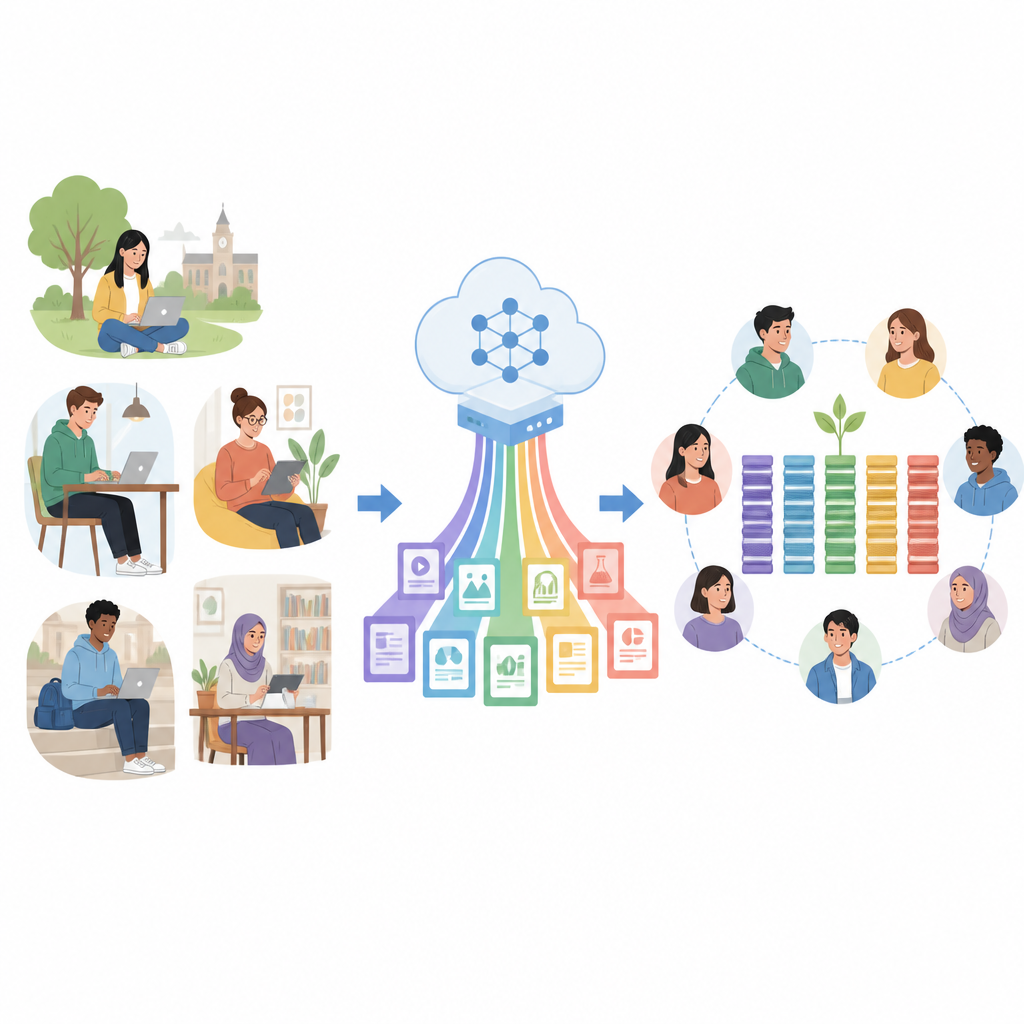
The paper focuses on Artificial Intelligence Generated Content, or AIGC, which uses large language models to create new learning materials in real time. Instead of simply pointing students to existing resources, these systems can tailor examples, readings, or feedback to a learner’s level, pace, and interests. The authors link this promise to the United Nations goal of inclusive, equitable, high quality education. In theory, such tools can support students with different backgrounds, languages, and locations by giving them flexible, on demand help that a single teacher could never provide alone.
Looking at both numbers and stories
To understand how students actually respond to AIGC, the researchers used a mixed methods design. First, they surveyed 928 students from Chinese universities about their views and intentions to use these tools. Their model drew on a well known framework that explains why people adopt technology, focusing on four drivers: whether the tool improves results, how easy it feels to use, what important people around them think, and whether they have enough support and resources. Then, to go beyond checkboxes, the team interviewed 18 students in depth. These conversations explored how AI tools fit into daily study routines, where they help, and where they create new problems or worries.
What pushes students to embrace AI study partners
The survey results showed that the model explained most of the variation in students’ intention to keep using AIGC. The strongest driver was performance: students were more likely to use AI when they believed it boosted efficiency, grades, or productivity. Supportive conditions, like good internet, devices, and guidance, also mattered, as did the influence of peers and teachers. When friends or instructors encouraged thoughtful use of AI, students became more willing to rely on it. Importantly, students who intended to use AIGC more also tended to rate its impact on educational inclusion, fairness, and quality more positively, suggesting a link between everyday adoption and how sustainable the system feels.
Hidden tensions behind the helpful surface
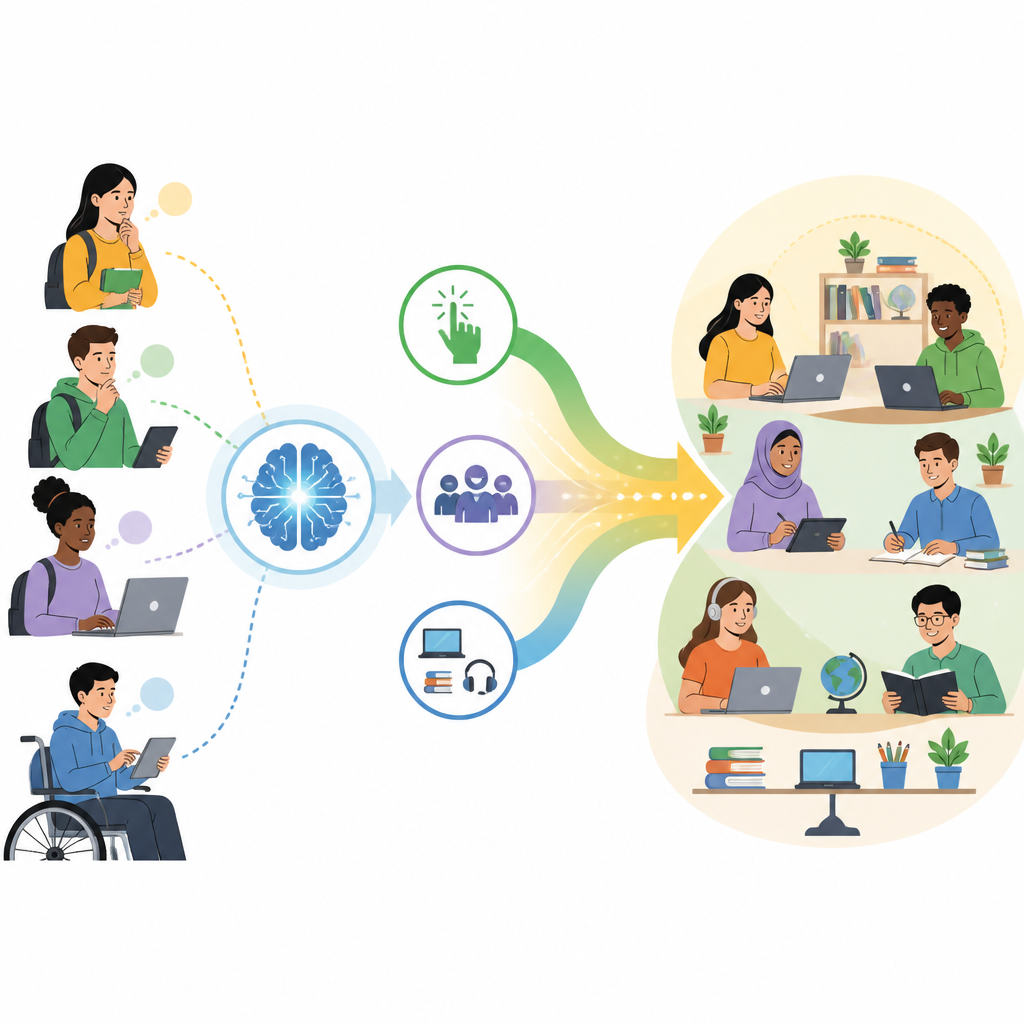
The interviews added nuance to these findings. Many students praised AIGC as a powerful aid that saves time, explains complex ideas, and makes heavy workloads more manageable. At the same time, they described several paradoxes. Some saw AI as a great equalizer for those from less resourced regions, yet others ran into biased or culturally shallow answers that reinforced global imbalances. Students valued the freedom and support AI provides but worried about becoming dependent and weakening their own critical thinking. They also pointed to gaps in training, paywalled advanced features, and unclear data privacy rules, which can turn simple availability into unequal access.
What this all means for the future classroom
The authors conclude that AIGC can support more inclusive and effective higher education, but only if its use is guided carefully. Students’ trust hinges on clear benefits, fair access, and attention to issues like bias and privacy. The study argues that we should move beyond seeing technology acceptance as a simple yes or no question and instead treat it as part of a wider learning environment that includes ethics, policy, and teacher roles. For everyday readers, the key message is that AI study helpers are neither pure shortcut nor silver bullet. Used critically, with support from institutions and educators, they can help more students learn in ways that fit them while still protecting the human side of education.
Citation: Xiong, Z., Huang, Q. A mixed-methods study evaluating student acceptance of artificial intelligence-generated content for sustainable personalized learning in Chinese higher education. Sci Rep 16, 15020 (2026). https://doi.org/10.1038/s41598-026-46043-6
Keywords: AI in education, personalized learning, Chinese universities, student acceptance, educational equity