Clear Sky Science · en
Association between metabolic dysfunction-associated steatotic liver disease and obstructive sleep apnea: a nationwide retrospective cohort study
Why your liver and your sleep might be linked
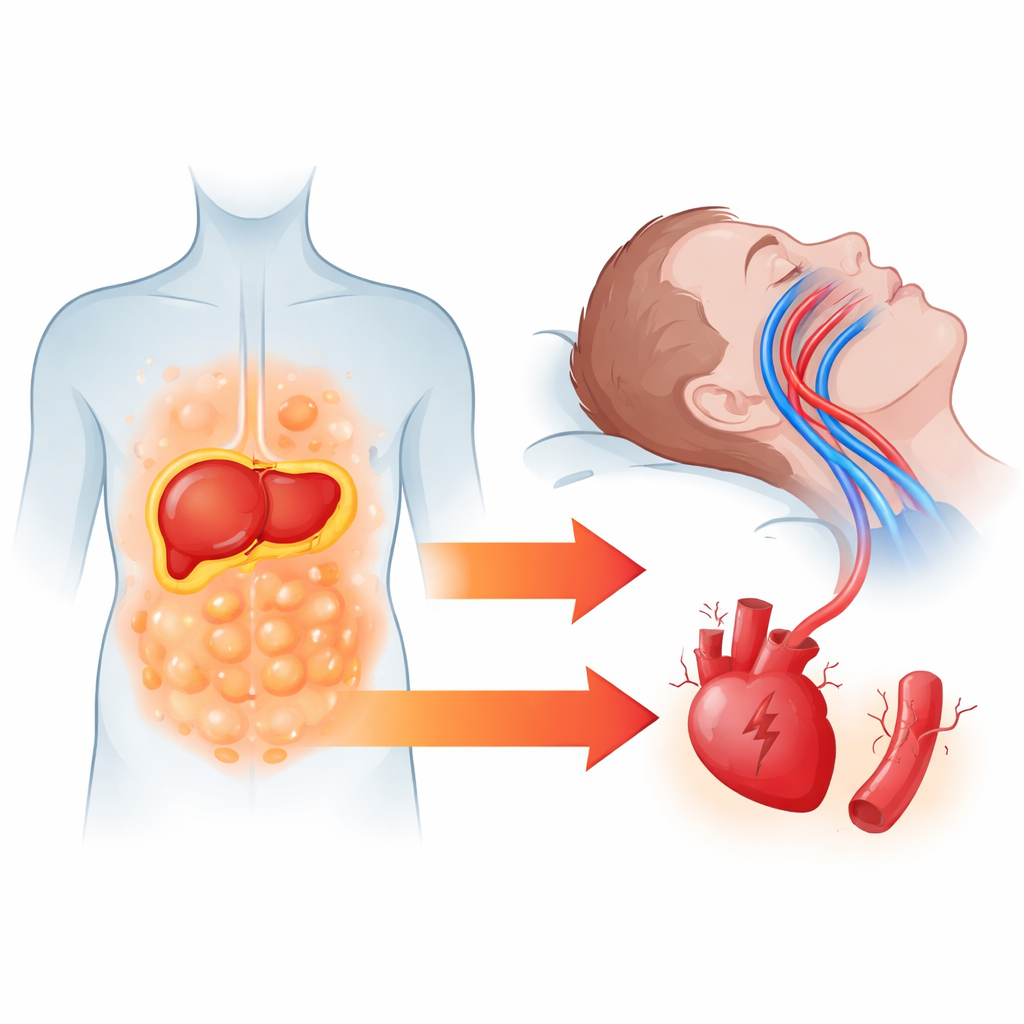
Many people know that snoring and poor sleep can strain the heart, and that extra weight can lead to a fatty liver. But a new nationwide study from Korea suggests these problems may be more connected than we thought. The researchers asked a simple question with big implications: if your liver has built up fat because of an unhealthy metabolism, does that raise your chances of developing obstructive sleep apnea, a common condition where breathing repeatedly stops and starts during sleep?
A closer look at fatty liver in everyday people
The team used health records from more than 265,000 Korean adults aged 40 and older who took part in routine national health screenings. Instead of scanning each liver, they relied on a well-tested formula that combines body size, waistline, blood fats, and a liver enzyme to estimate how much fat is likely stored in the liver. They also noted classic metabolic warning signs such as high blood pressure, abnormal cholesterol, high blood sugar, or being overweight. Finally, they carefully recorded how much alcohol people reported drinking each week. Using these pieces, they sorted everyone into five clear groups ranging from healthy livers with no metabolic problems to those with both fatty liver and heavy drinking.
Tracking who went on to develop sleep apnea
None of the participants had been diagnosed with obstructive sleep apnea at the start. The researchers then followed them for nearly a decade, checking medical insurance claims for new diagnoses of sleep apnea. Over about 9.5 years on average, just over one thousand people developed the condition. This allowed the scientists to compare how often sleep apnea appeared in each liver and metabolism group, while also adjusting for age, sex, income, place of residence, other illnesses, kidney function, smoking, and exercise habits.
Fatty liver stood out more than classic risk factors alone
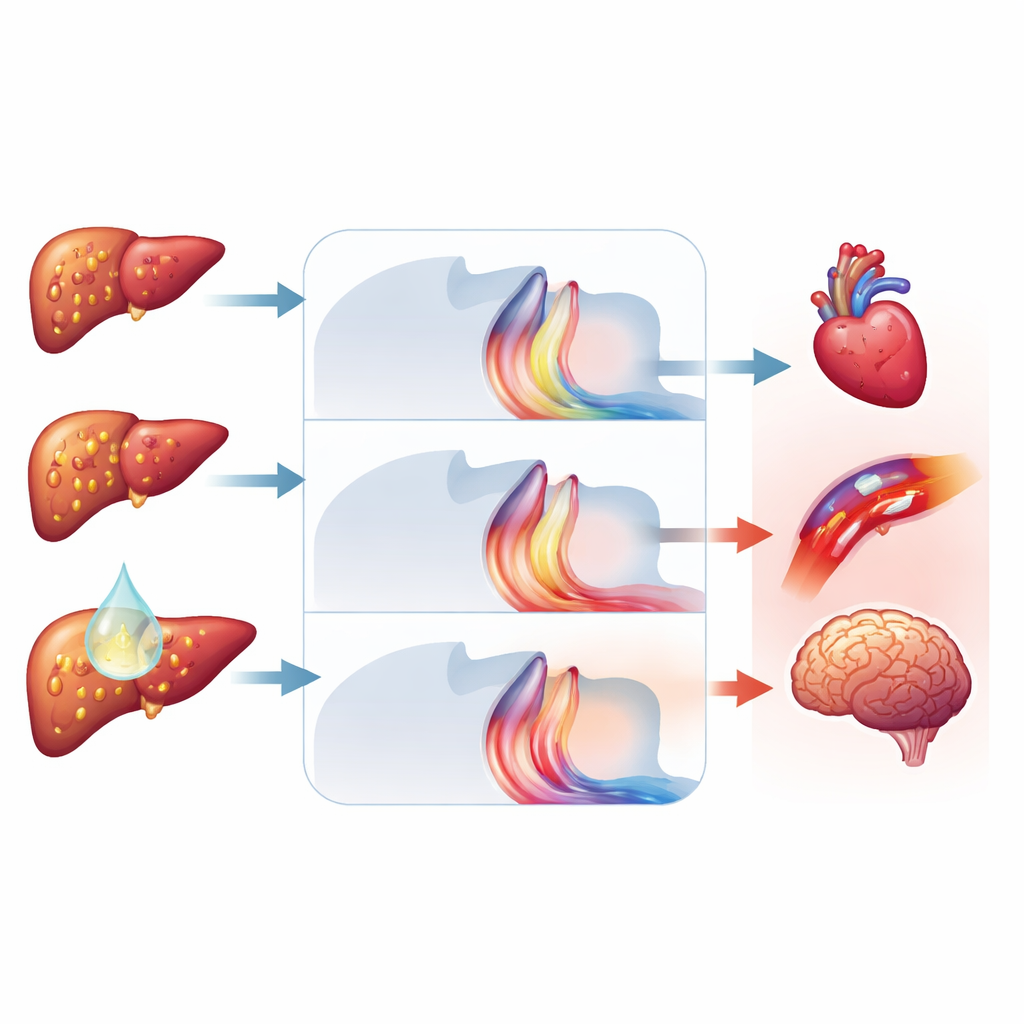
People with only traditional metabolic risk factors—but without signs of a fatty liver—did not show a clearly higher rate of new sleep apnea once other influences were taken into account. In contrast, every group with metabolic dysfunction–related fatty liver had a noticeably higher risk. Those with fatty liver and metabolic problems but little or no alcohol use were about one and a half times more likely to develop sleep apnea than people with healthy livers and no metabolic risk factors. The risk was similar or slightly higher for those with fatty liver who drank modestly, and remained elevated in heavy drinkers whose liver fat was linked to both metabolism and alcohol. When the researchers applied stricter definitions of liver fat, the pattern became even clearer: more severe liver fat and alcohol exposure tracked with higher sleep apnea risk.
How weight, waistline, and alcohol fit into the picture
When the team examined body mass index, waist size, and liver fat index as continuous measures, they saw that heavier weight and larger waistlines were strongly tied to rising sleep apnea risk, echoing what many earlier studies have shown. Alcohol intake showed a more complex pattern, but additional analyses suggested that in people whose livers were already affected by metabolic problems, alcohol might further tip the balance toward breathing troubles at night. Across men and women, younger and older adults, and smokers and non-smokers, the link between fatty liver and later sleep apnea generally held up, hinting that this connection is robust rather than a statistical fluke.
What this means for your health
To a lay reader, the main message is that a “metabolic fatty liver” is more than just a quiet bystander—it may be an early warning sign for future sleep apnea, especially when alcohol use is added to the mix. While the absolute increase in risk for any one person was modest, at a population level it could translate into many additional cases of an already widespread disorder. The authors suggest that people with metabolic fatty liver, particularly those who drink, might benefit from being asked about snoring, daytime sleepiness, and other signs of disturbed sleep, and when appropriate, being referred for sleep testing. Paying attention to liver health, body weight, alcohol use, and sleep quality together could offer a more complete way to protect long-term heart and metabolic health than focusing on any one piece alone.
Citation: Park, C.H., Moon, S.Y., Kim, B. et al. Association between metabolic dysfunction-associated steatotic liver disease and obstructive sleep apnea: a nationwide retrospective cohort study. Sci Rep 16, 10572 (2026). https://doi.org/10.1038/s41598-026-46037-4
Keywords: fatty liver, sleep apnea, metabolic health, alcohol use, obesity