Clear Sky Science · en
Sudanese pearl millet (Pennisetum glaucum (L.) R. Br.) germplasm reveals genetic potential for carotenoid improvement and provitamin a biofortification
Why this matters for everyday diets
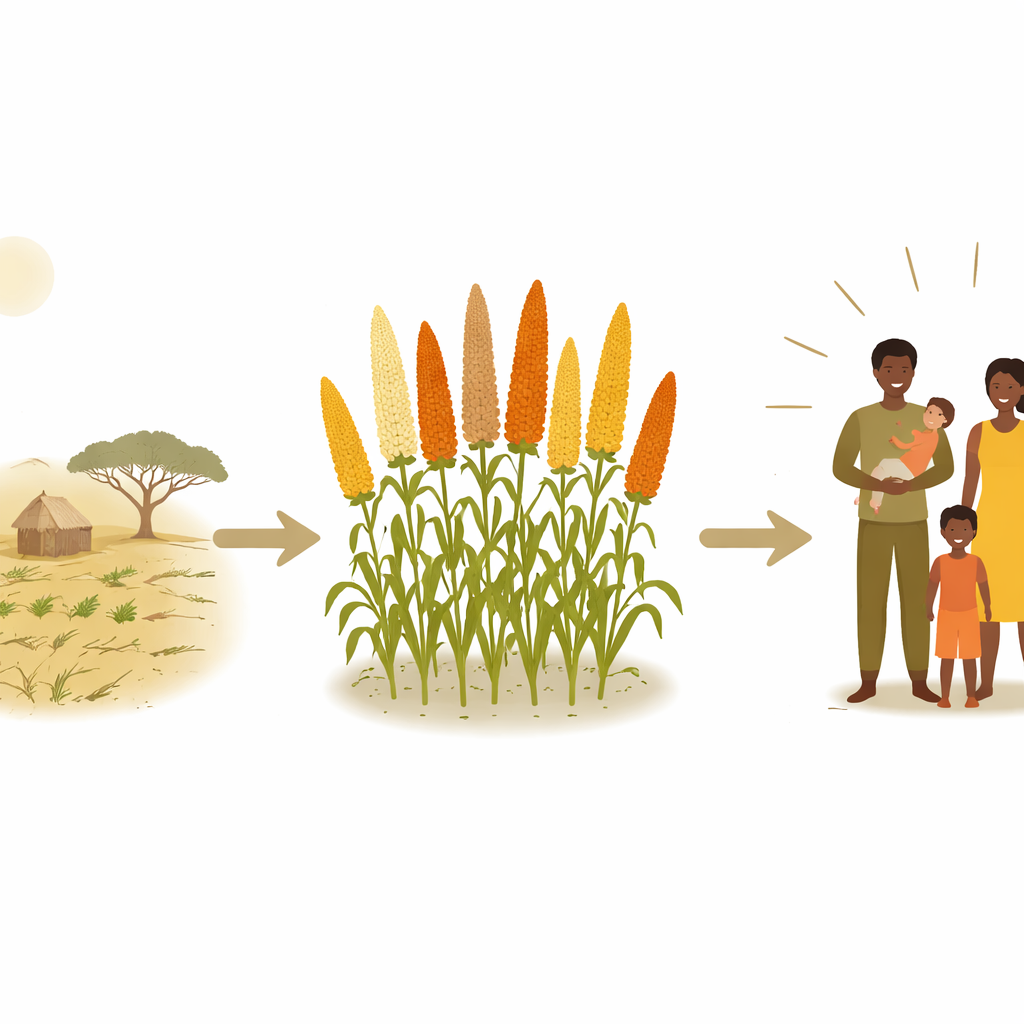
In many of the driest parts of Sudan, a small grain called pearl millet is the backbone of daily meals. At the same time, millions of children and mothers in these regions lack enough vitamin A, a nutrient essential for good vision and a strong immune system. This study asks a simple but powerful question: can the natural diversity in Sudanese pearl millet be used to breed grains that quietly deliver more vitamin A–forming nutrients, helping tackle “hidden hunger” through the foods people already eat?
A hardy grain with hidden promise
Pearl millet thrives where few other crops can survive, enduring poor soils, heat, and erratic rainfall. In western Sudan, it is turned into everyday foods such as porridges, flatbreads, and fermented drinks, making it a logical vehicle for improving nutrition. The researchers focused on carotenoids—yellow to orange pigments in plants that include beta-carotene, lutein, and zeaxanthin. Beta-carotene can be converted by the body into vitamin A, while lutein and zeaxanthin support eye health and help protect cells from oxidative damage. Boosting these compounds in such a widely consumed grain could, in principle, reduce vitamin A deficiency without changing people’s food habits.
Testing many local varieties in the field
The team evaluated 116 pearl millet types, mostly traditional landraces collected from Sudan’s main millet-growing regions, plus one improved variety. All were grown in field plots at a research station in central Sudan under the same conditions, so differences would mostly reflect genetics rather than weather or soil. After harvest, grains from carefully self-pollinated plants were cleaned, milled into flour, and stored cold and dark to protect sensitive pigments. The scientists then used a combination of standard light-based measurements and high-performance liquid chromatography—a laboratory technique that separates and measures individual compounds—to quantify beta-carotene, lutein, zeaxanthin, and total carotenoids in each sample.
Big differences in pigment and grain color
The results revealed striking natural variation. Beta-carotene levels differed by nearly 27-fold between the lowest and highest lines, while lutein and zeaxanthin also spanned wide ranges. Some accessions stood out as especially carotenoid-rich: for example, one line (HSD12716) had the highest total carotenoids, while others (such as HSD12345, HSD12415, and HSD12516) ranked among the best for beta-carotene. At the same time, the researchers measured grain color using a handheld device that records how light, red–green, or yellow a surface appears. They found strong differences here too, with some grains very light and creamy and others deeper yellow to orange. Yellowish and more “browned” grains tended to align with higher pigment levels, whereas very light, whitish grains were generally poorer in carotenoids.
Genetic strength and simple visual clues
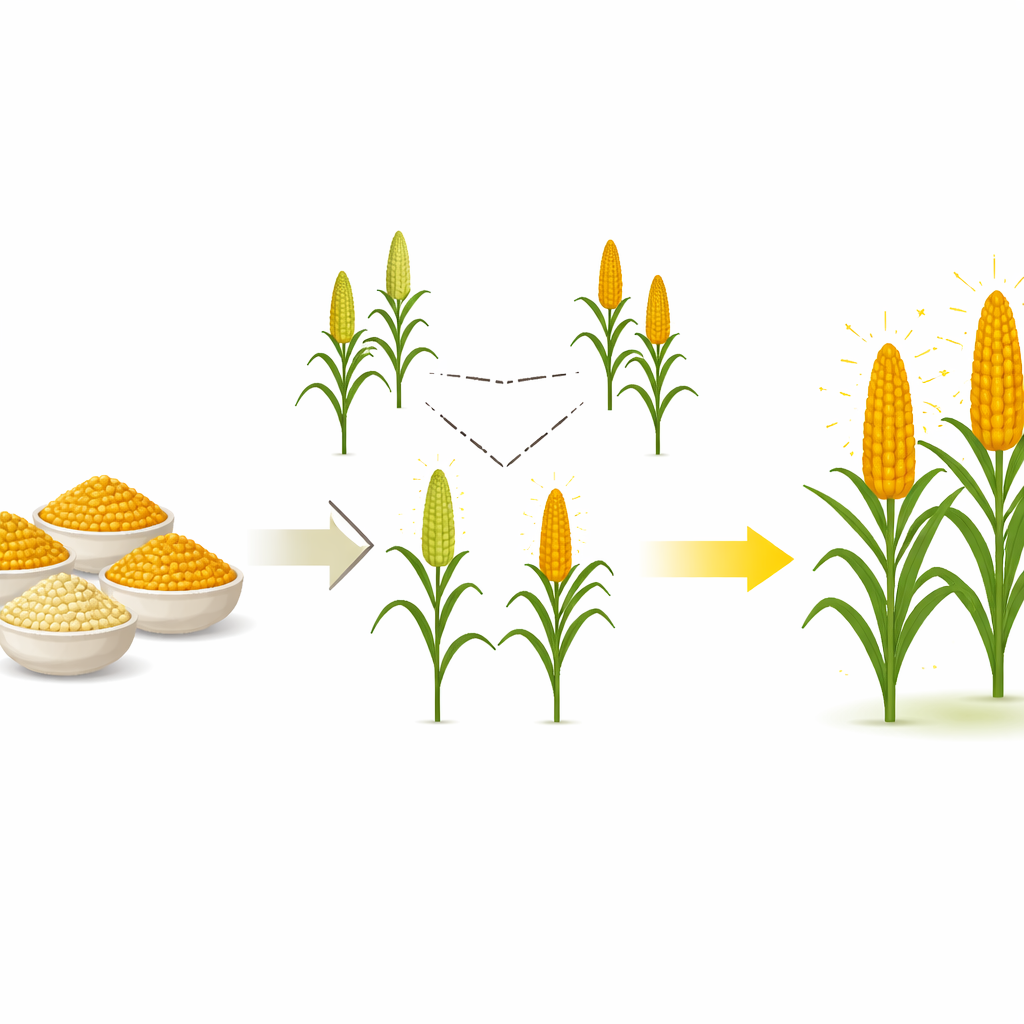
By applying statistical genetics, the authors showed that most of this carotenoid variation is strongly controlled by the plants’ genes rather than by environmental noise. In technical terms, heritability estimates were extremely high, and the expected genetic gain from selection was large. This means that breeders who repeatedly choose the best plants and cross them should be able to build lines with much higher pigment levels in only a few breeding cycles. The study also tested whether grain color could act as a quick shortcut for identifying promising lines when sophisticated lab equipment is not available. Darker, redder grains were moderately linked to higher beta-carotene, suggesting that simple color readings—or even trained visual inspection—could help in early-stage screening, though precise lab measurements will still be needed later on.
What this means for fighting hidden hunger
Overall, the work shows that Sudan’s own pearl millet germplasm contains ample raw material for breeding grains richer in beta-carotene, lutein, and zeaxanthin, without sacrificing the crop’s toughness in harsh climates. A handful of high-carotenoid lines identified in this study can now be used as parents in breeding programs aimed at producing farmer- and consumer-acceptable varieties that also deliver more vitamin A to the plate. While the study was conducted in a single location and did not yet include DNA-level markers, it lays a solid foundation: with follow-up trials across different environments and modern genomic tools, breeders could turn these findings into climate-resilient, nutrient-dense pearl millet varieties that help reduce vitamin A deficiency in some of the world’s most vulnerable dryland communities.
Citation: Elkhatim, K.A.S., Shariatipour, N., Hamid, M.G. et al. Sudanese pearl millet (Pennisetum glaucum (L.) R. Br.) germplasm reveals genetic potential for carotenoid improvement and provitamin a biofortification. Sci Rep 16, 9950 (2026). https://doi.org/10.1038/s41598-026-45956-6
Keywords: pearl millet, vitamin A deficiency, carotenoids, biofortification, Sudan drylands