Clear Sky Science · en
Tracking the dynamic evolution of lithium-ion battery recycling technology using natural language processing
Why Old Car Batteries Still Matter
Lithium-ion batteries power our phones, laptops, and an ever-growing fleet of electric cars. When these batteries wear out, they become both a waste problem and a treasure trove of valuable metals. Around the world, engineers are racing to design better ways to recycle them. But with thousands of patents and constant change, it is hard to see the bigger picture: Which recycling ideas are rising, which are fading, and where future breakthroughs may come from? This study uses modern language-processing tools to read and organize patent documents, revealing how battery recycling technology has evolved over three decades and where it is likely headed next. 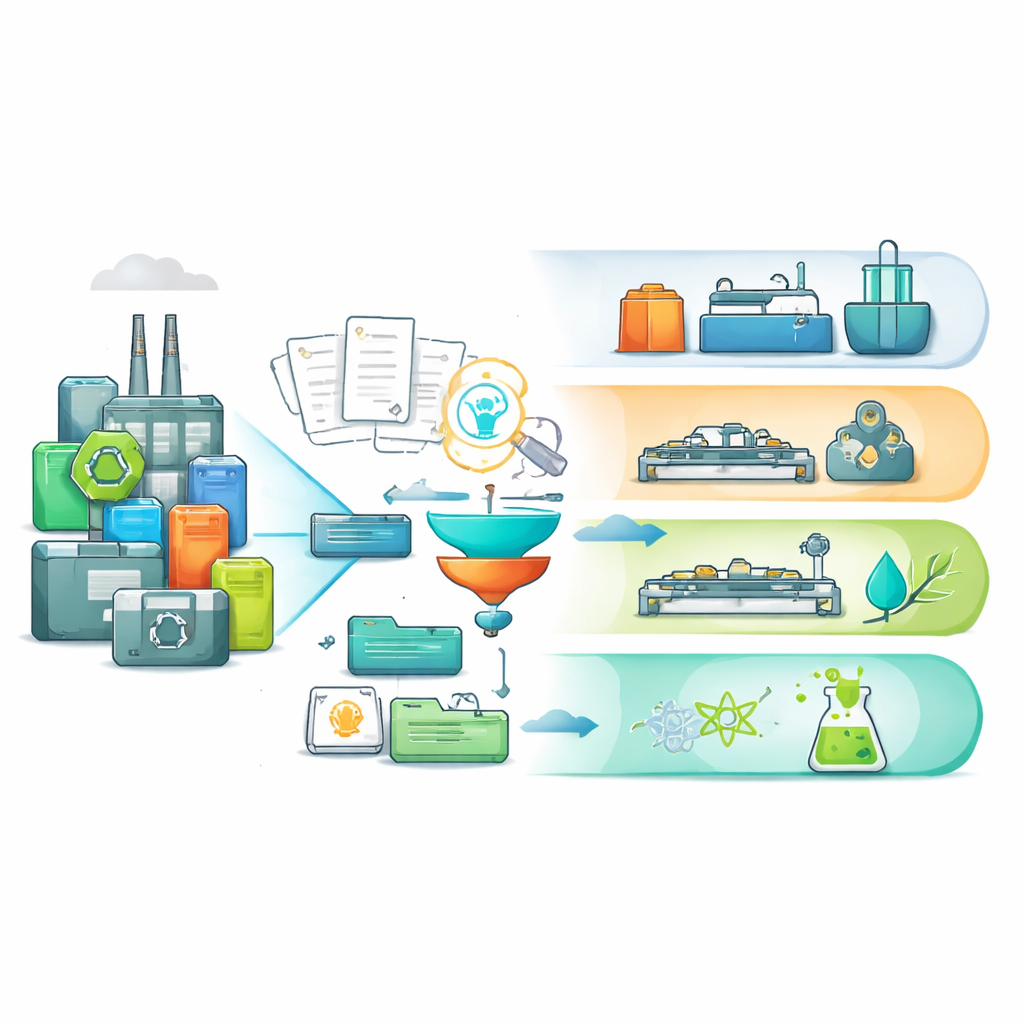
From Piles of Patents to Clear Time Periods
The authors start by asking a simple but overlooked question: when, exactly, does one phase of a technology’s life end and the next begin? Instead of slicing history into neat calendar blocks, they treat technological change as something that happens in bursts. By tracking yearly counts of lithium-ion battery recycling patents, they use a statistical method called change point detection to find moments when patenting activity shifts sharply. These turning points divide the history of recycling patents, from 1988 to 2022, into five development periods. The boundaries line up closely with real-world events, such as new European and Chinese battery regulations and the rapid growth of electric vehicles, suggesting that policy and markets strongly shape how recycling know‑how develops.
Letting Algorithms Discover Recycling Themes
Once the time periods are set, the team turns to the text of 4,218 patent abstracts. They first clean and standardize the language, then apply a topic model that groups words and documents into recurring themes. These themes correspond to recognizable areas of recycling practice: breaking used batteries apart, recovering metals with heat or with chemical solutions, cleaning up harmful by‑products, reusing electrode materials, and more. By running the topic model separately for each period, the authors can see how the mix of themes changes over time. Early years focus on basic recovery of cobalt and lithium from relatively simple battery designs. Later periods show a richer landscape, including separation of aluminum and copper foils, treatment of electrolytes, recovery of lithium iron phosphate used in modern car batteries, and “green” methods such as bio‑based leaching.
Following Knowledge as It Shifts and Splits
To understand how one theme grows out of another, the study uses a second language tool that turns each patent into a point in a mathematical space based on its overall wording. For every topic in every period, the authors compute an average position and then measure how close topics from adjacent periods are to one another. Strongly connected topics form an evolution path: a line of work may continue, merge with another, split into new branches, appear suddenly, or fade away. This mapping shows, for example, how early work on recovering cobalt salts grows into broader, multi‑metal recovery tuned to newer battery chemistries, and eventually into processes that balance metal yield with lower pollution. It also highlights emerging lines such as lithium iron phosphate recovery and environmentally friendlier recycling as fresh areas of attention. 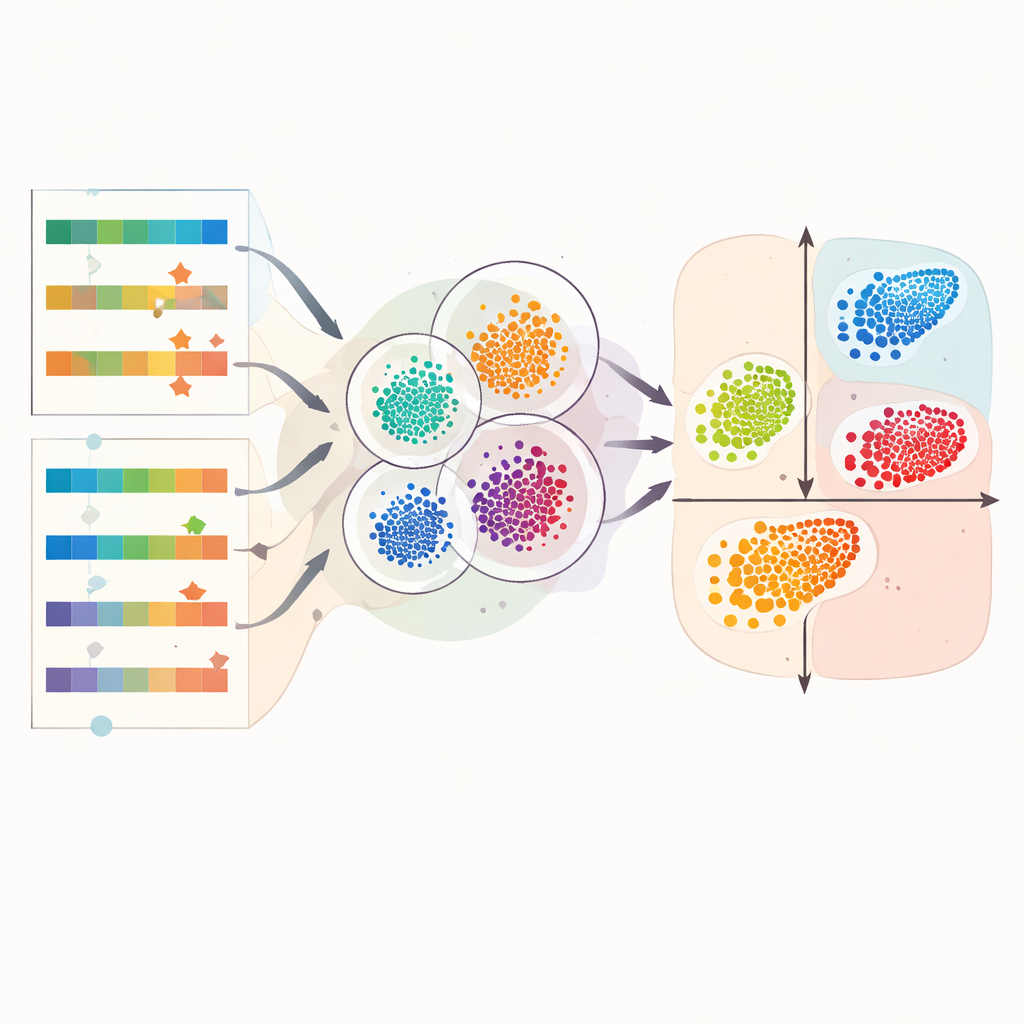
Ranking Today’s Ideas and Tomorrow’s Bets
Beyond describing the past, the authors want to know which technologies matter most now and which are poised to grow. They build a two‑dimensional scorecard for topics in the most recent period. One score captures current importance by summing how strongly recent patents belong to a topic. The other tracks change over time, indicating whether interest in that topic is rising or falling. Plotting topics on this map creates four quadrants: widely used and still growing; widely used but slowing; niche yet fast‑rising; and both small and stagnant. Electrode material recovery and advanced metal recovery fall into the high‑importance zones, while green recycling and lithium iron phosphate recovery are smaller but fast‑growing, suggesting good targets for forward‑looking investment. Other areas, such as certain mechanical or heat treatments, appear mature with limited momentum.
What This Means for the Battery Future
For non‑specialists, the key message is that battery recycling is not a single invention but a moving web of ideas pushed and pulled by policy, prices, and new products. By teaching computers to read patent text, this study turns that tangled web into a timeline of stages, a network of evolving themes, and a simple map of which approaches are hot or cooling down. The findings imply that recycling will keep shifting toward processes that recover multiple metals efficiently, work with newer battery chemistries, and cut pollution. The same analytical framework could be applied to other fast‑changing technologies, helping companies and policymakers see where the field has been, where it is going, and where their bets are most likely to pay off.
Citation: Yan, J., Zhang, Z. Tracking the dynamic evolution of lithium-ion battery recycling technology using natural language processing. Sci Rep 16, 10872 (2026). https://doi.org/10.1038/s41598-026-45690-z
Keywords: lithium-ion battery recycling, technology evolution, patent analysis, natural language processing, green manufacturing