Clear Sky Science · en
The oncogenic effect and mechanism of LINC00520/miR-372/SLC7A11 axis in renal clear cell carcinoma
Why this kidney cancer study matters
Kidney cancer is often discovered late, when treatment is harder and survival chances drop. This study looks under the microscope at a hidden layer of genetic control inside kidney tumor cells. By tracing how a long piece of RNA helps cancer cells grow and resist death, the researchers point to a new trio of molecular players that could one day guide tests to predict outcomes or inspire more precise treatments for clear cell renal cell carcinoma, the most common and deadly kidney cancer type.
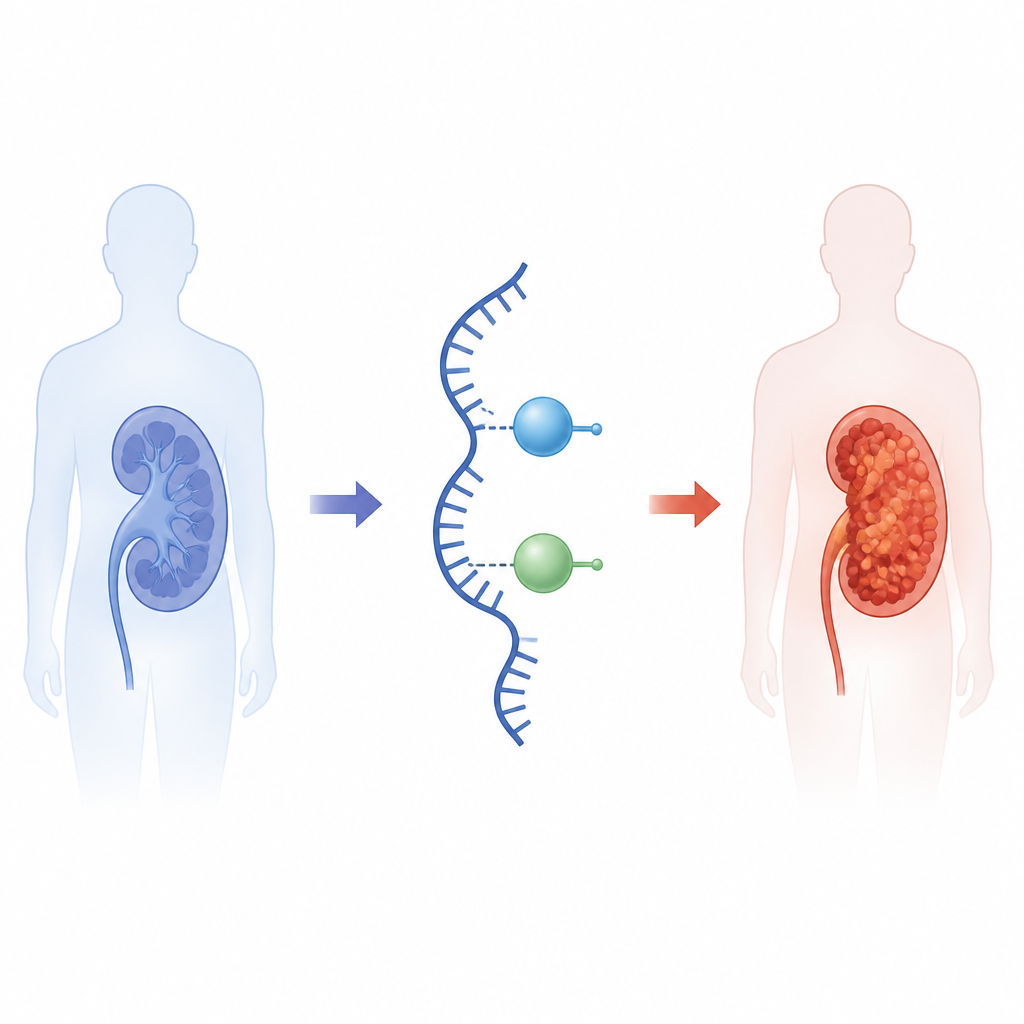
A closer look at kidney cancer
Clear cell renal cell carcinoma arises from the tiny filtering units in the kidney and makes up most kidney cancers. Even though surgery, immune drugs, and targeted pills have improved care, many patients with spread disease still face poor prospects. Doctors and scientists therefore search for molecules inside tumor cells that both drive disease and reveal how aggressive a tumor is. The team behind this work focused on a long non coding RNA called LINC00520, a short regulatory RNA called miR 372, and a transporter protein named SLC7A11, all of which sit in a network that helps cells manage stress and survival.
Hidden messages in cancer genes
Using large public cancer databases, the researchers first scanned many tumor types and found that both LINC00520 and SLC7A11 are present at higher levels in numerous cancers, including clear cell kidney cancer. In kidney tumors, their levels rose in step with more advanced stage and higher grade, suggesting that cells producing more of these molecules tend to form more aggressive cancers. This pattern hinted that LINC00520 and SLC7A11 might not just be bystanders but active contributors to the worsening of kidney cancer.
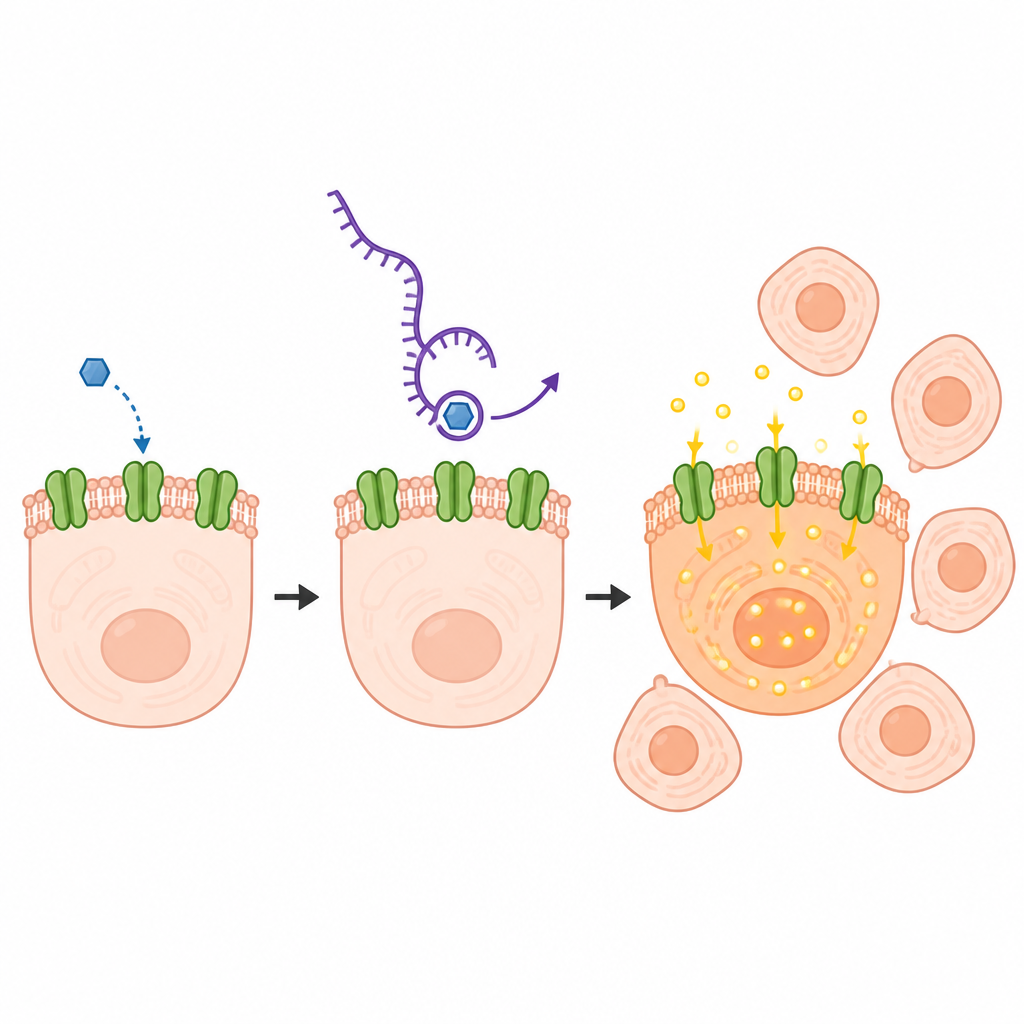
How a sponge like RNA tilts the balance
The scientists then turned to kidney cancer cell lines in the lab to test how these molecules interact. They found that LINC00520 behaves like a sponge, soaking up miR 372, a small RNA that normally helps keep cancer in check. When LINC00520 levels were raised, miR 372 was less able to do its job, and SLC7A11 levels went up. SLC7A11 sits in the cell membrane and ferries in building blocks for antioxidants, which shield tumor cells from harmful forms of oxygen and a type of iron driven cell death. Through a series of molecular assays, they showed that LINC00520, miR 372, and SLC7A11 physically cluster in the same protein complexes, confirming that this trio works together inside kidney cancer cells.
Boosting growth and blocking cell death
What does this mean for how tumors behave? When the team forced cancer cells to make more LINC00520, the cells cycled more quickly, moved and invaded through barriers more easily, and showed more signs of active division. At the same time, fewer cells underwent programmed cell death. Key survival proteins such as Bcl 2 rose, while pro death proteins like Bax fell. The opposite happened when LINC00520 was reduced: cancer cells slowed their growth, became more prone to die, and showed less movement. Importantly, adding or blocking miR 372 partly reversed these changes, underscoring that this small RNA sits at the heart of the pathway. The study also showed that high LINC00520 was linked to lower levels of the famous guardian protein P53, further loosening the brakes on tumor growth.
What this might mean for future care
Put simply, this study suggests that LINC00520 helps kidney cancer cells survive and spread by soaking up miR 372 and lifting the brake on SLC7A11, while also dampening the protective P53 pathway. Although this work is still at the cell culture stage, the LINC00520 miR 372 SLC7A11 axis emerges as a potential marker of how advanced a tumor is and a tempting target for new drugs. Future therapies that silence LINC00520 or restore miR 372 activity might make tumor cells more vulnerable to stress and cell death, adding a fresh angle to the fight against clear cell kidney cancer.
Citation: Chen, YB., Tang, LY., Luo, Rt. et al. The oncogenic effect and mechanism of LINC00520/miR-372/SLC7A11 axis in renal clear cell carcinoma. Sci Rep 16, 15191 (2026). https://doi.org/10.1038/s41598-026-45590-2
Keywords: kidney cancer, clear cell renal cell carcinoma, long non coding RNA, miR-372, SLC7A11