Clear Sky Science · en
S-nitrosoglutathione preserves vasodilation and attenuates myocardial ischemia-reperfusion injury
Why Protecting the Heart After a Heart Attack Matters
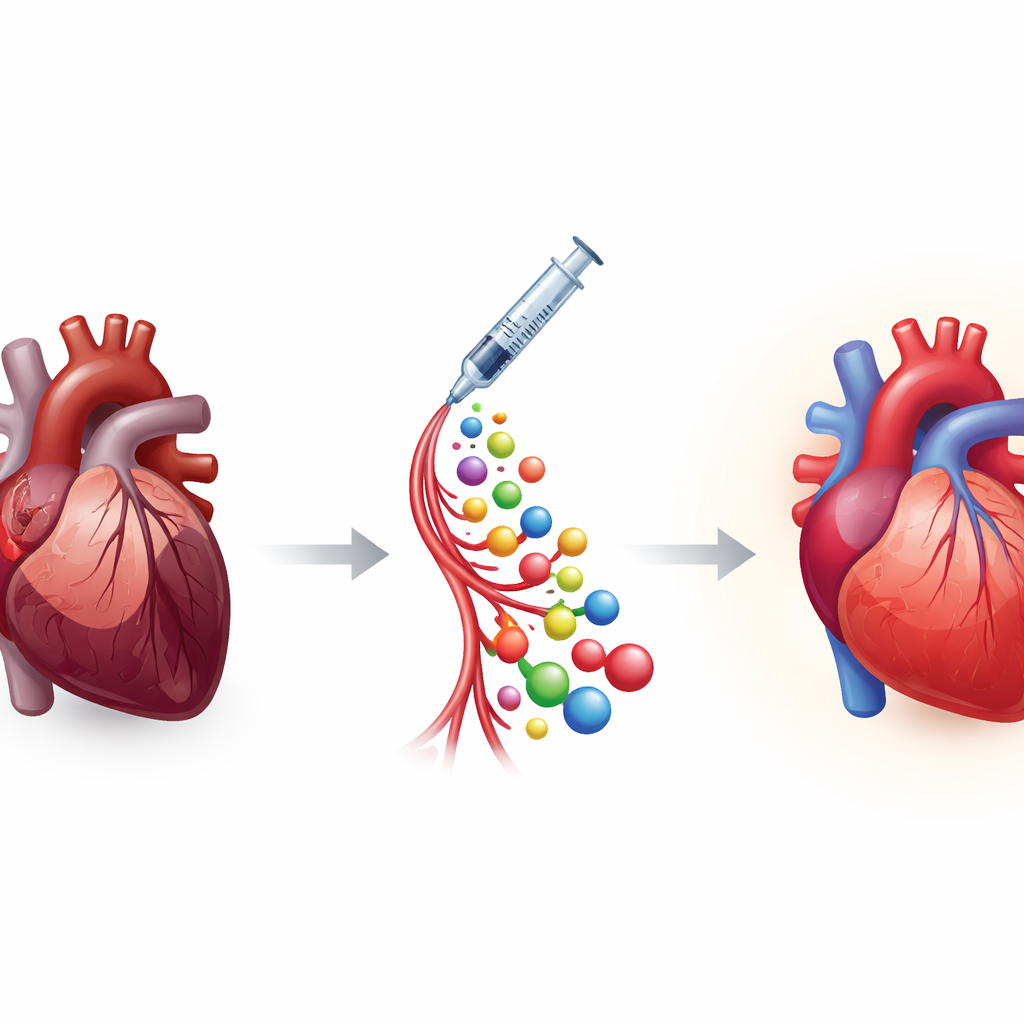
Most people know that quickly reopening a blocked heart artery is vital during a heart attack. Less well known is that the very act of restoring blood flow can itself damage the heart. This "double-edged sword" effect, called ischemia‑reperfusion injury, limits how much heart muscle can be saved even with modern treatments. The study summarized here explores whether a naturally occurring molecule that slowly releases nitric oxide — a gas our bodies use to relax blood vessels — can protect the heart during this vulnerable window, and what dose is both helpful and safe.
A Gentle Helper Hidden in Our Chemistry
The researchers focus on S‑nitrosoglutathione, or GSNO, a compound our bodies make from glutathione, a common cellular antioxidant, and nitric oxide. GSNO acts as a small chemical reservoir that can steadily release nitric oxide or pass along its “relaxing” signal to proteins. Nitric oxide keeps blood vessels open, curbs inflammation, and helps cells manage harmful reactive molecules. In heart attacks, natural nitric oxide signaling often falters, worsening vessel constriction and tissue damage. That makes GSNO an appealing candidate as a drug-like aid that might restore nitric oxide’s protective effects without the sharp spikes and tolerance problems of traditional nitrate medicines.
Testing the Idea in Isolated Beating Hearts
To see if GSNO could shield heart tissue, the team used an ex vivo model: hearts from rats were removed and kept beating on a perfusion system that pumps a nutrient solution through the coronary arteries. The hearts were subjected to a controlled period of blocked flow followed by restoration, mimicking a heart attack and its treatment. During this process, some hearts received GSNO at either a moderate dose (200 micromolar) or a higher dose (500 micromolar). The scientists tracked coronary flow and resistance, how strongly the heart pumped, and—most importantly—how much tissue died in the injured region. They also measured how steadily GSNO released nitric oxide over time.
Finding the Sweet Spot Between Help and Harm
The moderate GSNO dose clearly stood out. Both GSNO doses improved blood flow through the coronary vessels and lowered resistance, showing that the compound is an effective vasodilator. But only the 200 micromolar dose substantially shrank the dead tissue area, cutting it from roughly two‑thirds of the threatened region down to about two‑fifths, and it also helped the heart recover its pumping strength. The higher dose, despite widening vessels just as well, failed to reduce injury or improve function. Cell culture experiments gave a clue why: heart‑like muscle cells were more easily harmed by rising GSNO levels than endothelial cells that line blood vessels. This suggests that too much nitric‑oxide signaling can flip from protective to toxic, especially for heart muscle.
Looking Inside Blood Vessels and Cells
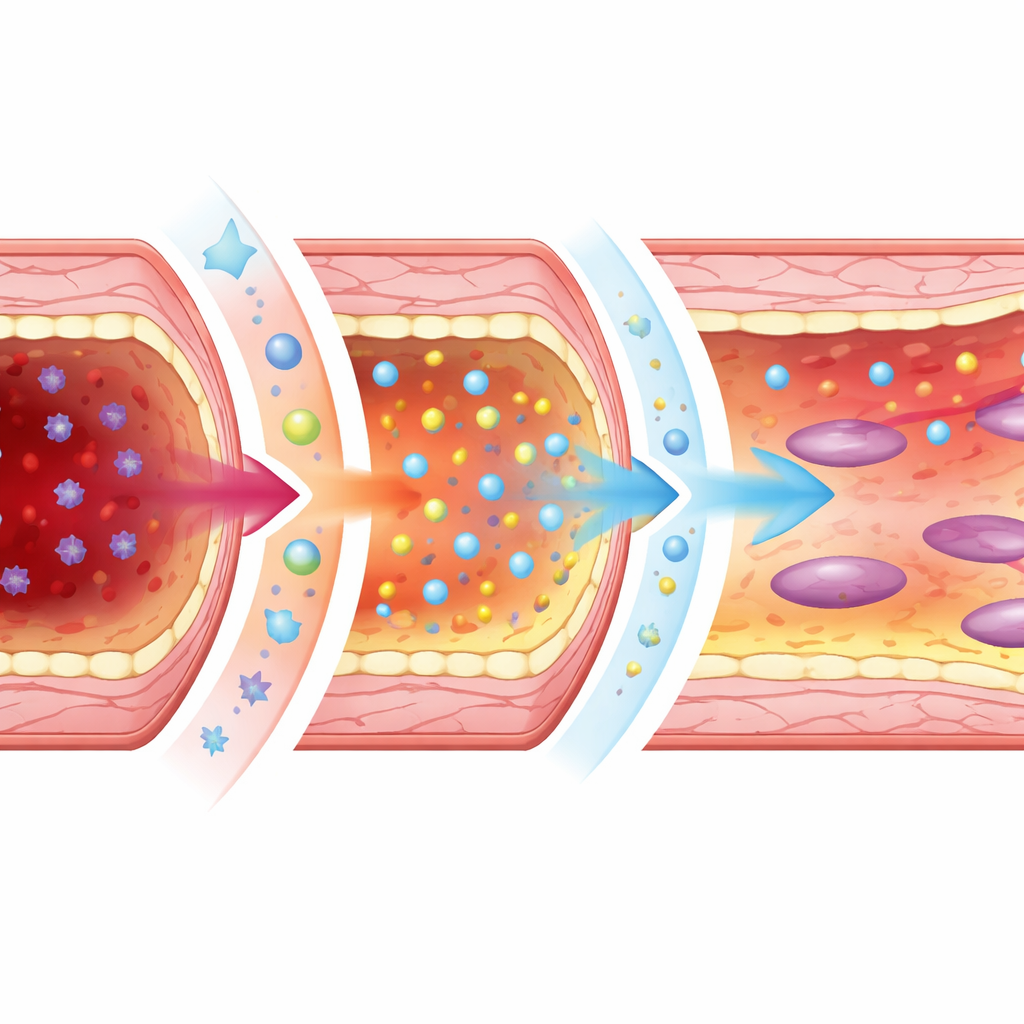
To probe GSNO’s action more closely, the team studied isolated coronary artery rings. GSNO relaxed these vessels in a strongly dose‑dependent manner, achieving near‑complete relaxation at relatively low micromolar levels — far below the doses used in the whole-heart setup, where continuous flow dilutes the compound. When the researchers added a molecule that mops up certain reactive oxygen species, the relaxing effect of GSNO was blunted, implying that the oxidative burst that occurs early in reperfusion actually helps convert GSNO into active nitric oxide. The study also highlights that GSNO itself does not easily cross cell membranes; instead, it likely works by releasing free nitric oxide that diffuses into the vessel wall and heart tissue or by forming related small molecules that carry its signal inside cells.
What This Could Mean for Future Heart Care
To a non‑specialist, the key takeaway is that GSNO behaves like a finely tuned tap for nitric oxide: at the right flow it can keep heart vessels open, support blood delivery, and limit the area of permanent injury after a heart attack. But if the tap is opened too far, especially in an already stressed and oxidant‑rich environment, the same chemistry may tip toward damaging reactions that injure heart cells. This work shows, in a controlled animal model, that an intermediate GSNO dose hits a protective “sweet spot,” while higher levels lose that benefit. The findings strengthen the case for GSNO‑based therapies or materials as add‑ons to standard heart attack care, provided their dosing and timing are carefully optimized to harness help without harm.
Citation: Guizoni, D.M., Pinto Junior, E.A., Gomes, É.I.L. et al. S-nitrosoglutathione preserves vasodilation and attenuates myocardial ischemia-reperfusion injury. Sci Rep 16, 12881 (2026). https://doi.org/10.1038/s41598-026-45498-x
Keywords: ischemia reperfusion, nitric oxide donor, coronary vasodilation, myocardial infarction, cardioprotection
See more on the researcher's website: https://www.nitric-oxide-biomaterials.com/