Clear Sky Science · en
In vitro comparative evaluation of disinfectant-loaded nanoparticles against biofilm-forming Vibrio spp. isolated from gilthead seabream (Sparus aurata)
Why fish farmers and seafood lovers should care
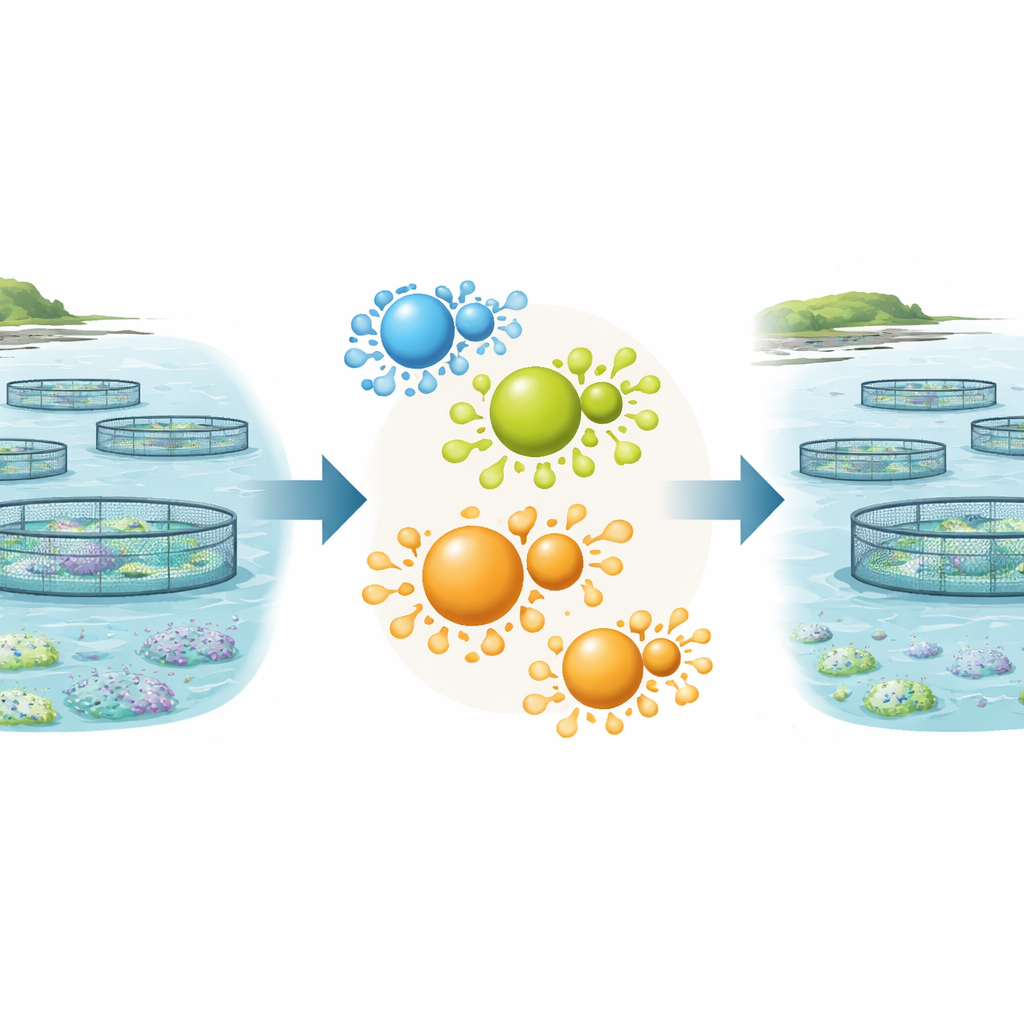
Aquaculture now supplies a growing share of the world’s seafood, but the same warm, nutrient-rich waters that help fish grow also favor disease-causing microbes. In Mediterranean seabream farms, some of the most troublesome culprits are Vibrio bacteria that form slimy protective layers, or biofilms, on tanks, nets, and fish surfaces. These biofilms make bacteria harder to kill and help them accumulate resistance to antibiotics. This study explores whether pairing common disinfectants with tiny metallic particles—nanoparticles—can more effectively break down these stubborn biofilms and curb infections before they threaten fish stocks and, ultimately, the people who rely on them.
When routine treatments stop working
Farmed gilthead seabream in Egypt’s coastal waters are frequently hit by vibriosis, a disease caused largely by two Vibrio species, V. alginolyticus and V. fluvialis. These bacteria are naturally present in seawater but can bloom under farm conditions, especially when temperatures rise. Over years of intensive farming, antibiotics and disinfectants have been used liberally to keep these infections at bay. The downside is that many Vibrio strains have now become multidrug resistant, carrying genes that let them shrug off several types of medicines. On top of this, their ability to form biofilms—dense, sticky communities glued together by a self-made matrix—acts like armor, preventing disinfectants and drugs from reaching the cells buried inside.
Testing smarter weapons in the lab
The researchers focused on three “disinfectant-loaded” nanoparticle formulations that combine familiar cleaning agents with silver or copper particles: silver plus hydrogen peroxide, and copper paired with two different farm disinfectants (Virkon S and TH4). Instead of creating new nanomaterials, they applied previously described particles to Vibrio strains isolated from naturally infected seabream, deliberately selecting strains that showed different levels of drug resistance and biofilm strength. In the lab, they first confirmed how well these bacteria produced biofilms using standard plate tests, then tracked how much biofilm grew under different conditions and across seasons. They found that biofilm-forming strains were especially common in summer, when warmer water appears to fuel Vibrio growth and stickiness.
How the nano–disinfectant mixes performed
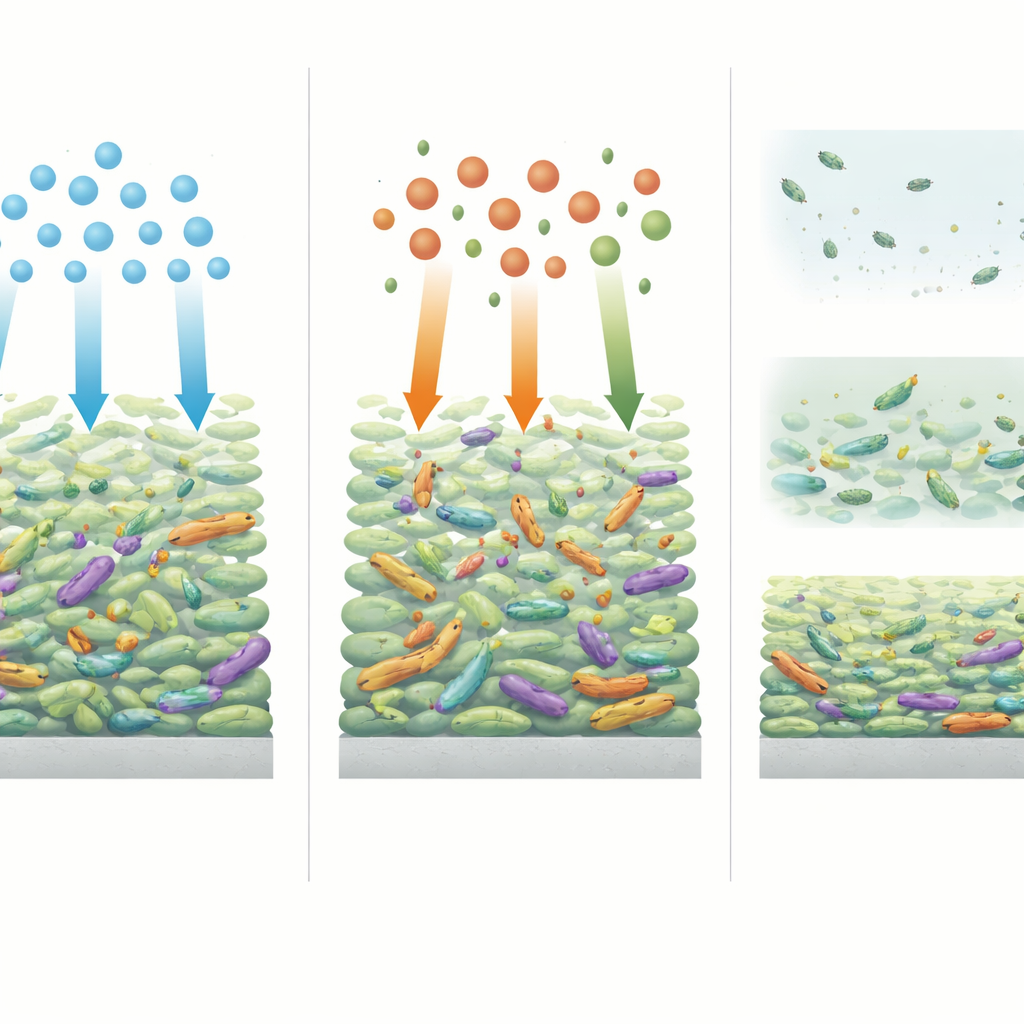
To see how effectively the new formulations stopped bacterial growth, the team measured the minimum amounts needed to halt visible multiplication and to kill the bacteria outright. All three nanoparticle–disinfectant mixes showed strong activity, but they did not behave identically. Copper nanoparticles carrying TH4 were particularly good at cutting down the bulk of the biofilm, suggesting they could be powerful tools for stripping Vibrio from farm surfaces. Silver nanoparticles teamed with hydrogen peroxide were the most consistently lethal, rapidly reducing live cell counts in time-kill experiments and achieving full kill at relatively low doses in most isolates. The copper–Virkon S mixture, by contrast, had weaker and slower effects under the test conditions, leaving more survivors behind.
Hidden genes that spread resistance
Beyond killing tests, the scientists probed the bacteria’s DNA for resistance genes that help them withstand common antibiotic classes. Many isolates carried genes that confer resistance to sulfonamides and to older drugs such as chloramphenicol, and some V. alginolyticus strains carried a macrolide-resistance gene linked to important human medicines. Overall, V. alginolyticus held a broader collection of resistance genes than V. fluvialis, reinforcing concerns that certain Vibrio species may act as reservoirs that share resistance traits with other microbes in the farm environment. Even so, not every resistant strain carried the specific genes that were screened, hinting that additional, untested mechanisms are also at work.
What this could mean for safer fish farming
From a lay perspective, the take-home message is that combining existing disinfectants with metallic nanoparticles can make them work harder against tough, slime-protected bacteria—at least in controlled lab tests. Copper–TH4 mixes were best at stripping away biofilms, while silver–peroxide blends were quickest to wipe out live cells. These findings suggest that, with careful design, farms might one day use lower disinfectant doses, applied more strategically, to keep nets, pipes, and tanks cleaner and reduce reliance on traditional antibiotics. However, the study stops short of real-world trials and does not address how these nanoparticles behave in full-scale systems or the wider environment. Before such tools are adopted, researchers will need to confirm their safety for fish, farm workers, and surrounding ecosystems, ensuring that the cure does not introduce new ecological problems.
Citation: Ismail, E.T., El-Son, M.A.M., Ragab, W. et al. In vitro comparative evaluation of disinfectant-loaded nanoparticles against biofilm-forming Vibrio spp. isolated from gilthead seabream (Sparus aurata). Sci Rep 16, 12460 (2026). https://doi.org/10.1038/s41598-026-45352-0
Keywords: aquaculture, biofilms, nanoparticles, Vibrio, fish disease