Clear Sky Science · en
A prospective study on the predictive value of the modified Glasgow prognostic score in non-small cell lung cancer treated with radiation therapy
Why a simple blood test matters for lung cancer care
Most people think of cancer treatment in terms of powerful machines and drugs, but the body’s own condition can quietly shape who lives longer. This study looked at people with a common type of lung cancer who were treated with modern radiation therapy and asked a straightforward question: can a simple blood test, done before treatment, help predict who is likely to do well? The answer, the researchers found, is yes—and that insight could help doctors tailor care more wisely.
A common cancer and a key treatment
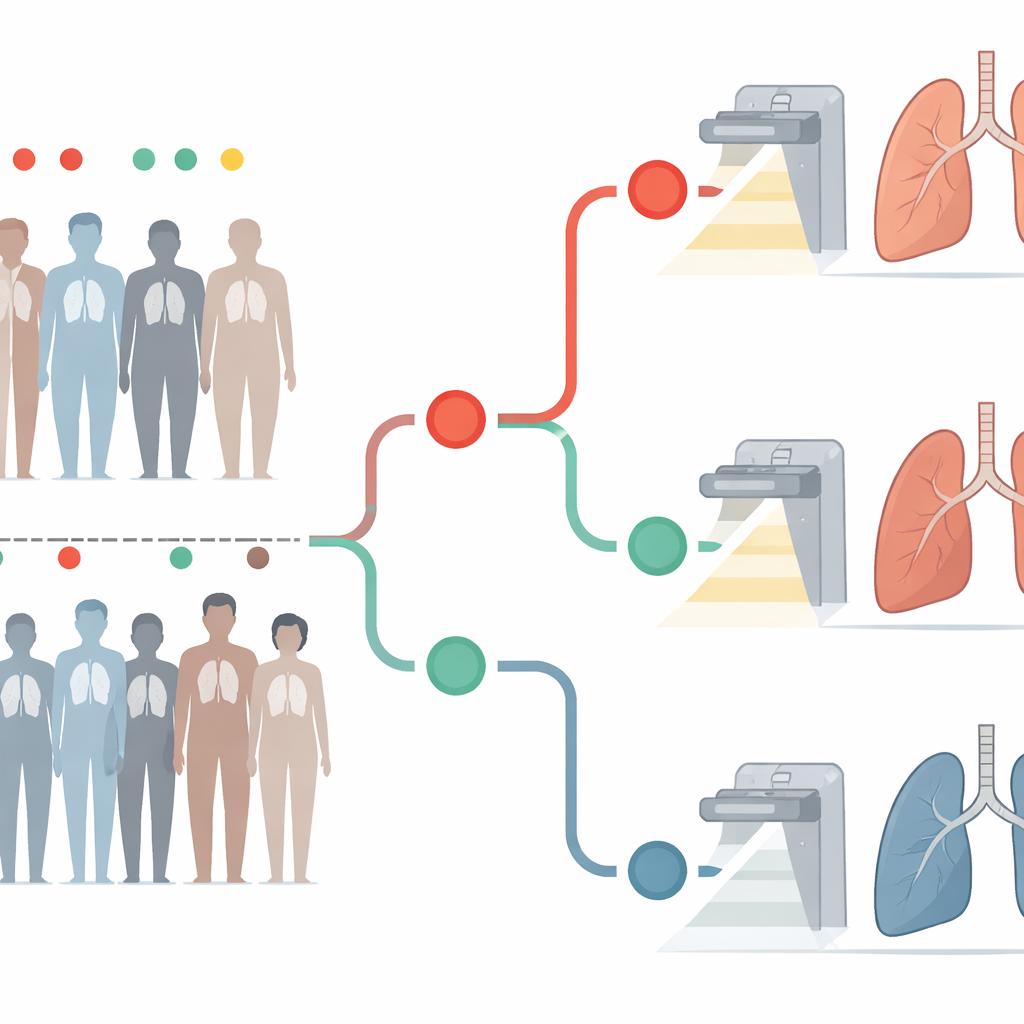
Lung cancer is still the leading cause of cancer death worldwide, and about four out of five cases are what doctors call non-small cell lung cancer. Many patients cannot have surgery, either because the tumor is in a difficult spot or because their overall health makes an operation too risky. For them, radiation therapy is a mainstay. In recent years, a focused approach called stereotactic body radiotherapy has allowed doctors to deliver high doses of radiation with millimeter accuracy, sometimes in just a few sessions. These techniques control tumors in the chest very well, but many patients still die because the cancer later appears elsewhere in the body.
Looking beyond the tumor to the whole body
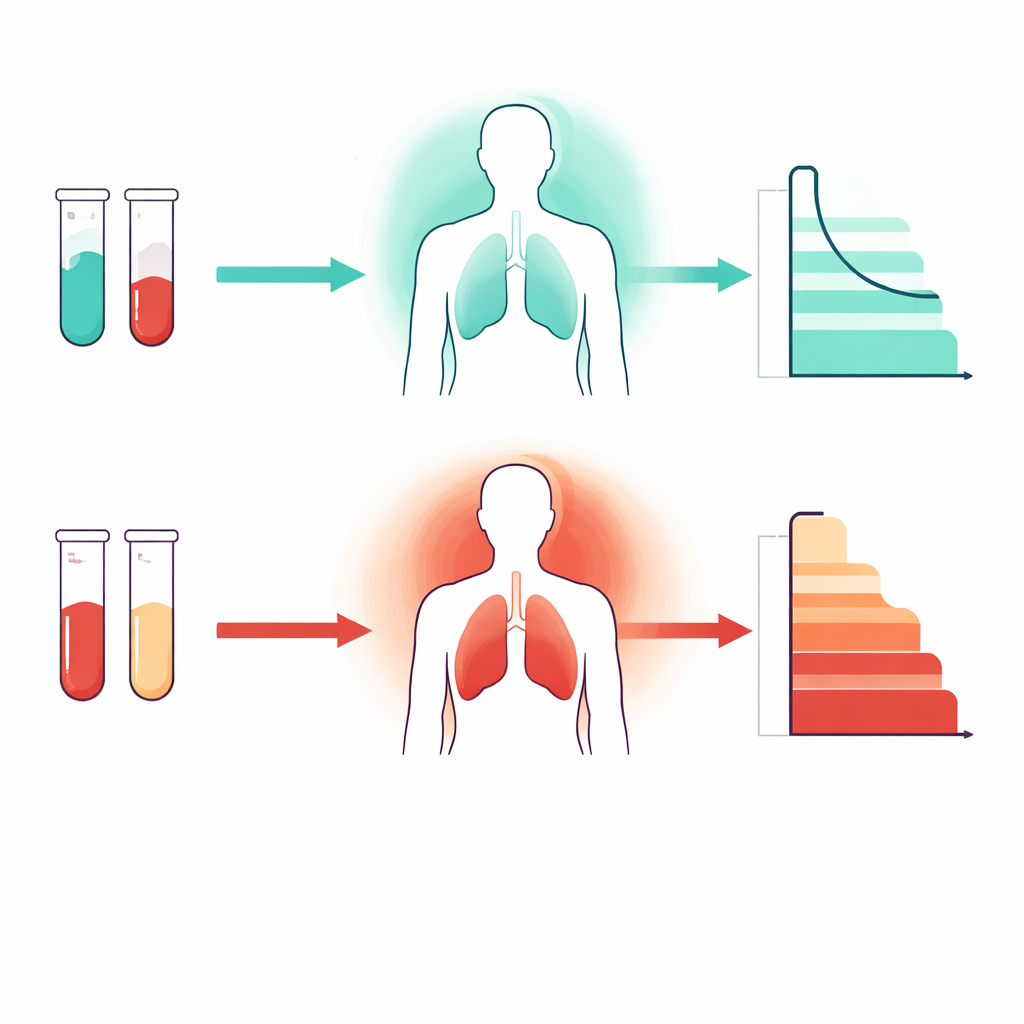
The team behind this study focused on a score called the modified Glasgow prognostic score, or mGPS. It is based on just two routine blood measures: C-reactive protein, which rises when there is inflammation in the body, and albumin, a protein that reflects nutrition and general health. Higher mGPS values mean more inflammation and poorer nutritional status. Previous research had hinted that this score might predict survival in lung cancer patients undergoing surgery or drug treatment, and in small, retrospective radiation studies. But no one had yet tested it carefully in a forward-looking study of patients receiving radiation, including highly focused treatments.
How the study was done
The researchers prospectively followed 82 adults with non-small cell lung cancer who were treated with radiation at a Japanese hospital between 2021 and 2023. All were reasonably fit by standard measures and received radiation with the aim of control or cure, not short-term relief. People with early-stage disease generally received stereotactic body radiotherapy, while those with more advanced stages received longer radiation courses, sometimes combined with chemotherapy. Before treatment, each person’s mGPS was calculated and grouped as either low or high. The main outcome the team tracked was whether patients were alive two years after starting radiation; they also checked how often the original tumor stayed controlled and how often the cancer spread far from the chest.
What the blood test revealed
After a median follow-up of a little over two and a half years, about one in five patients had died. Overall, the group’s outcomes looked good: roughly 85 percent were alive at two years, and local tumor control and freedom from distant spread were also high. But when the researchers compared people with low versus high mGPS, a striking pattern emerged. Patients with a high score before treatment were far more likely to die during follow-up, even though their tumors were treated with the same intent and similar techniques. In statistical models that accounted for age, sex, cancer stage, whether stereotactic radiation was used, and whether a tissue diagnosis was available, the blood-based score remained a powerful predictor of survival. Notably, the score was linked to overall survival but not to whether the tumor came back in the radiation field or spread elsewhere, suggesting that underlying health and systemic inflammation played a large role.
Implications for future care
Because the mGPS uses common, inexpensive blood tests, it could easily be folded into routine assessment before radiation. A high score might flag patients who could benefit from closer monitoring, added systemic treatments, or extra attention to nutrition and general health, while a low score could reassure patients and clinicians that the odds are more favorable. The study has limits—it comes from a single center with a modest number of patients, and it did not examine how the score behaves when immunotherapy is given alongside radiation—but it offers strong prospective evidence that how “stirred up” and undernourished the body is at baseline can meaningfully shape outcomes. For patients and families, the takeaway is that fighting lung cancer is not only about targeting the tumor; supporting the whole body, and measuring its condition carefully, may be just as important.
Citation: Chen, Z., Kuriyama, K., Oguri, M. et al. A prospective study on the predictive value of the modified Glasgow prognostic score in non-small cell lung cancer treated with radiation therapy. Sci Rep 16, 14242 (2026). https://doi.org/10.1038/s41598-026-45248-z
Keywords: lung cancer, radiation therapy, prognostic score, inflammation, stereotactic body radiotherapy