Clear Sky Science · en
The quality and reliability of short videos about depression on TikTok (Douyin): a cross-sectional study
Why Social Media Videos on Low Mood Matter
When people feel persistently sad or stuck, many now reach for their phones before they reach for a clinic. On TikTok-style apps, short clips promising quick answers about depression can be comforting, confusing, or even dangerous. This study looks closely at what viewers actually get when they search for depression videos on Douyin, the Chinese version of TikTok, and asks a simple but crucial question: are these clips helpful guides or misleading noise?

Checking What People Really See
The researchers focused on the most visible material—the top 200 short videos that appear when users search the Chinese term for clinical depression on Douyin. To avoid personalized suggestions that might skew the results, they created a fresh account, cleared all app data, and searched during a defined ten-day window. After removing duplicates, ads, off-topic clips, and videos with unusable sound, they were left with 121 videos to analyze in depth. For each video, they recorded who made it, how long it was, and how people reacted to it in the form of likes, shares, comments, and saves.
Who Is Talking About Depression
Most of the selected videos were posted by people who appeared to have a health background, such as psychiatrists, psychologists, and other clinicians. Still, a large minority came from news outlets, nonprofit groups, or individual users and science bloggers without clear medical training. The typical clip was under a minute long. Despite their popularity, these videos rarely offered a complete picture of depression. About half never clearly explained what depression is, nearly half skipped over treatment options, and more than two thirds ignored how the condition is diagnosed. Only a small fraction went into meaningful detail on any of these topics.
Measuring Quality Behind the Clicks
To judge quality more systematically, the team used several established scoring tools that look at how reliable, balanced, and educational health information is. Across all depression videos, scores were generally low, suggesting that most clips were oversimplified, incomplete, or lacked clear sources. But there was an important difference: videos created by psychiatrists tended to score higher on every measure. These clips more often covered a broader range of topics, from symptoms and risk factors to tests, treatment, and likely outcomes. Psychologists’ videos also tended to perform relatively well, though not quite as consistently as those from psychiatrists.
What Viewers Reward
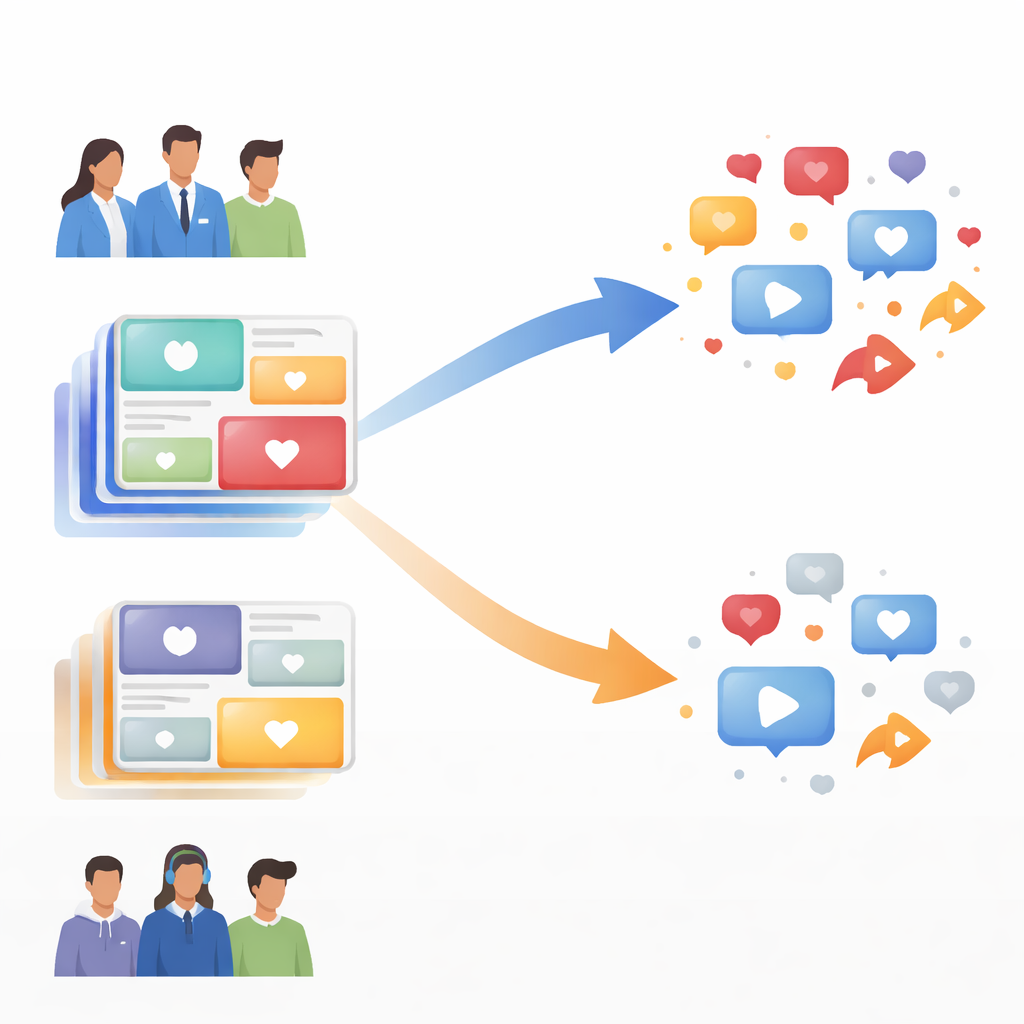
The study also explored how video quality related to viewer reactions. Interestingly, higher-quality clips—especially those from psychiatrists—did not just rate better on expert checklists; they also attracted more likes, shares, and comments. In other words, when professionals posted clearer and more complete information, people responded favorably. However, the researchers caution that online engagement is shaped by many forces, including recommendation algorithms, production style, and the popularity of the creator, so attention alone is not a perfect indicator of trustworthy information.
What This Means for Viewers and Platforms
The authors conclude that while Douyin offers quick access to depression content, much of what people see is patchy and sometimes shallow. For someone struggling with low mood or considering treatment, this mix of partial truths and missing details could delay proper care or reinforce misunderstandings. The findings suggest that users seeking reliable guidance should favor videos from identifiable mental health professionals, while recognizing that social media clips are no substitute for a medical visit. The study also points to a broader public responsibility: platforms, clinicians, and health agencies could work together to boost the visibility and number of well-made, evidence-based videos, helping turn short clips from a risky shortcut into a genuine support for mental health literacy.
Citation: Lin, Y., Tao, H., Wang, L. et al. The quality and reliability of short videos about depression on TikTok (Douyin): a cross-sectional study. Sci Rep 16, 14372 (2026). https://doi.org/10.1038/s41598-026-45237-2
Keywords: depression, TikTok, mental health misinformation, short videos, patient education