Clear Sky Science · en
Multi-objective techno-economic and environmental optimization of hydrogen-based hybrid renewable energy system using osprey optimization algorithm
Why this matters for everyday energy
Keeping the lights on while cutting pollution is one of the biggest challenges in the clean energy transition. Solar panels and wind turbines are clean but their output rises and falls with the weather. This study explores how combining sun, wind, and hydrogen storage can deliver steady, affordable electricity while also reducing harm to human health from power plant emissions. It also tests a new computer method to find the best possible design among many competing options.
Building a smarter green power mix
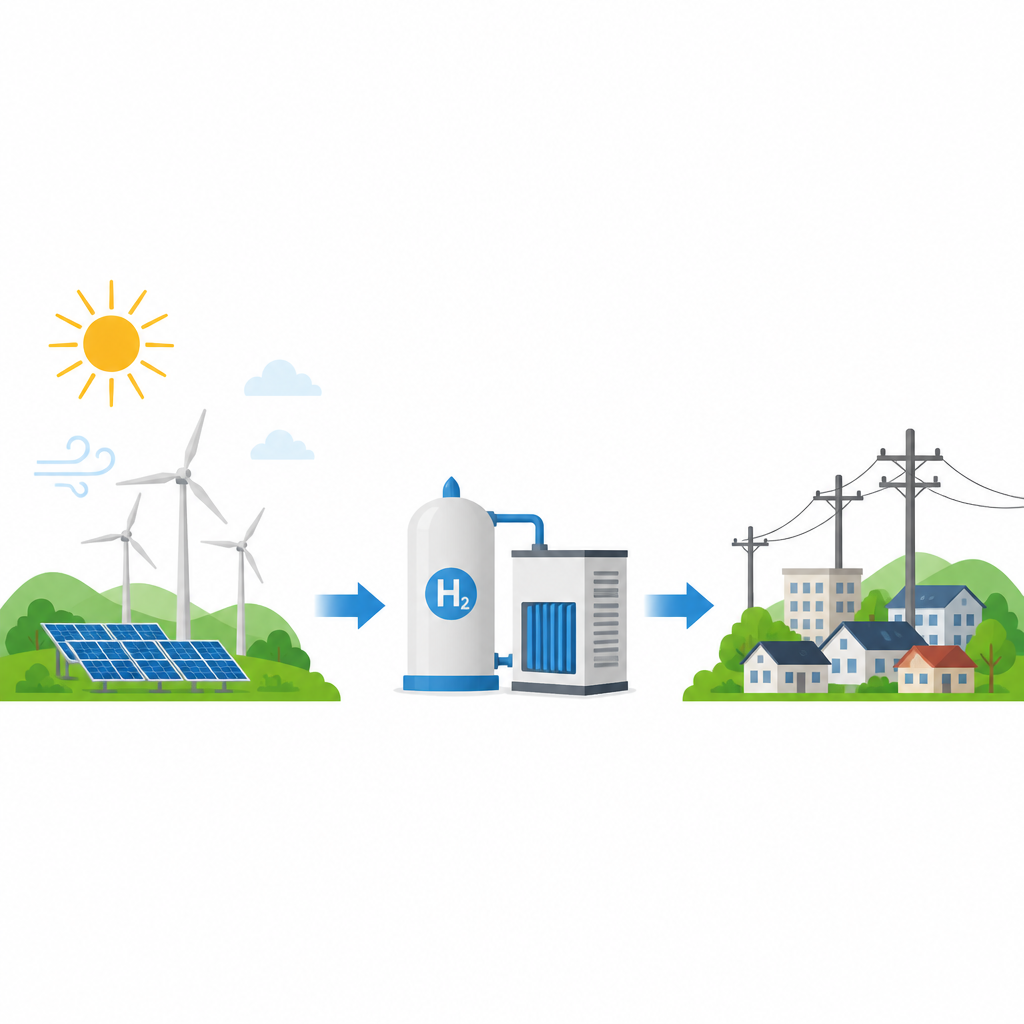
The researchers designed a hybrid renewable energy system that blends several technologies working together. Solar panels and wind turbines provide primary power. When they produce more than homes and businesses need, the extra energy is sent to an electrolyzer that splits water to make hydrogen, which is stored in a tank. Later, when sun and wind are low, a fuel cell uses this stored hydrogen to generate electricity again. The system is connected to the electric grid, which can buy surplus power or supply backup power if needed. This arrangement aims to smooth out the natural ups and downs of renewable energy while keeping electricity flowing around the clock.
Balancing cost and health impacts
Instead of looking only at electricity price or only at carbon emissions, the study optimizes the system for two goals at once. The first is the cost of energy over the lifetime of the system, including equipment, maintenance, and grid purchases and sales. The second is a health-based measure that estimates how greenhouse gas emissions along the entire energy chain translate into damage to human health, expressed in lost healthy life years. This measure counts emissions not just from the renewable equipment, but especially from grid electricity that often comes from fossil fuel plants. By treating cost and health together, the researchers search for designs that are both economical and kinder to people and the environment.
A new way to search for the best design
Finding the right mix and sizes of solar panels, wind turbines, fuel cells, electrolyzers, and hydrogen tanks is a complex puzzle with many possible combinations. The team used a recently developed search method called the Osprey Optimization Algorithm, inspired by the hunting behavior of ospreys. In computer terms, this method explores many candidate designs, then refines the most promising ones while avoiding getting stuck on mediocre solutions. The algorithm was run with real weather and electricity demand data from a region in Central Anatolia in Türkiye, checking performance hour by hour over a full year while enforcing perfect reliability so that demand is always met.
What mix works best in practice
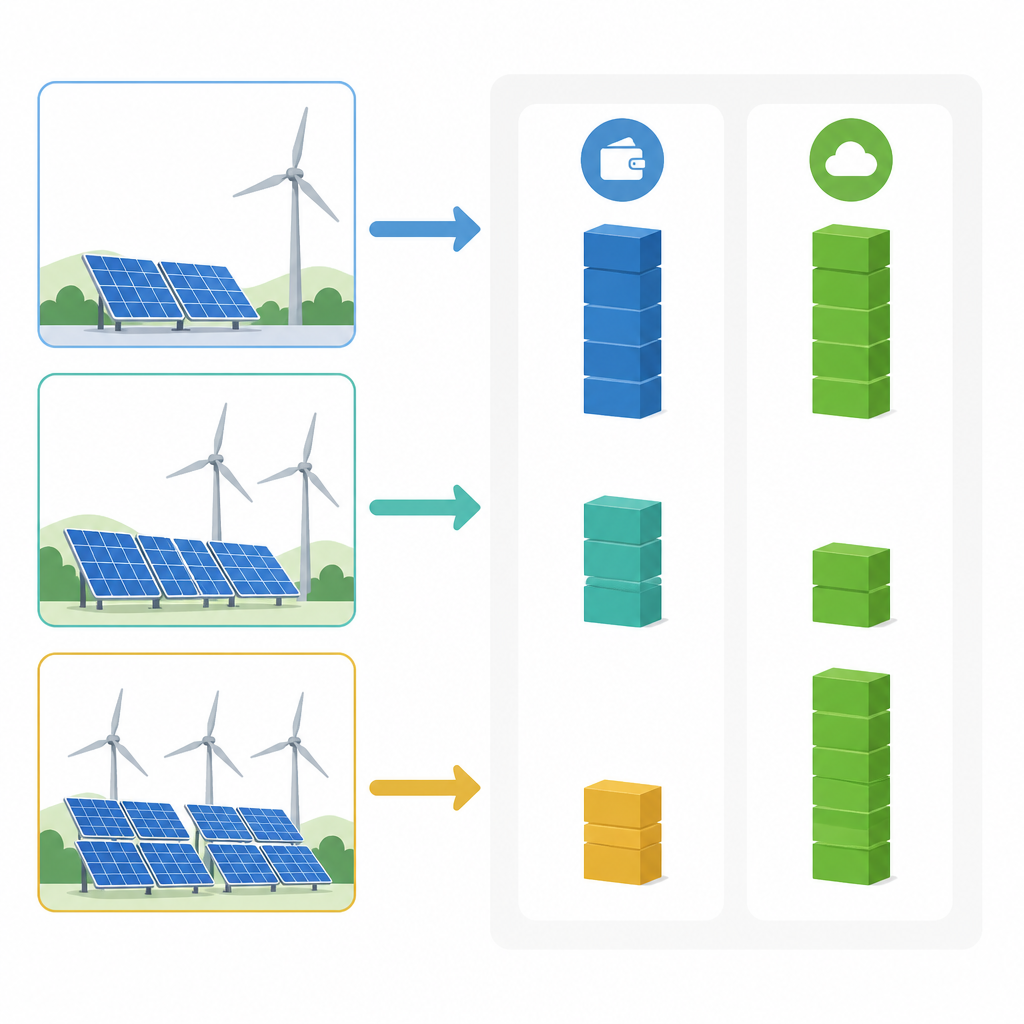
The study compared three system setups: one combining solar, wind, and fuel cells; one with only solar and fuel cells; and one with only wind and fuel cells. The mixed solar–wind–fuel cell setup emerged as the most balanced. It achieved a low electricity cost close to the cheapest option while also having the smallest health impact from emissions. Purely wind-based or solar-based designs were either cheaper but dirtier, or cleaner but more expensive and more dependent on the grid. The results show that sharing the work between sun and wind, and using hydrogen as a buffer, increases the share of renewable power, improves self-sufficiency, and cuts reliance on fossil-fuel-heavy grid electricity.
What this means for future energy planning
For a non-specialist, the main message is that no single technology is enough on its own. A carefully sized combination of solar, wind, and hydrogen storage can provide reliable power at a competitive price while lowering health risks from air pollution. The new optimization method helps planners see the trade-offs between cost and health and pick designs that strike a sensible middle ground. This kind of analysis can guide utilities and policymakers as they plan cleaner power systems that not only keep bills reasonable but also protect public health.
Citation: Ermiş, S., Taşdemir, O. & Al-Hajj, R. Multi-objective techno-economic and environmental optimization of hydrogen-based hybrid renewable energy system using osprey optimization algorithm. Sci Rep 16, 15618 (2026). https://doi.org/10.1038/s41598-026-45185-x
Keywords: hybrid renewable energy, hydrogen storage, solar and wind power, energy optimization, health impacts of emissions