Clear Sky Science · en
Detecting and subtyping ketoacidosis from metabolomic patterns in forensic casework
Why this matters beyond the autopsy room
Ketoacidosis is a life‑threatening condition where the blood becomes dangerously acidic, often linked to diabetes, heavy alcohol use, extreme cold, or starvation. When someone dies suddenly, it can be surprisingly hard for forensic doctors to tell which of these processes was truly responsible, even with today’s lab tests. This study shows how patterns of tiny molecules in blood, combined with modern computer techniques, can help reconstruct a person’s final metabolic state and more clearly explain why they died.
Looking for hidden clues in blood chemistry
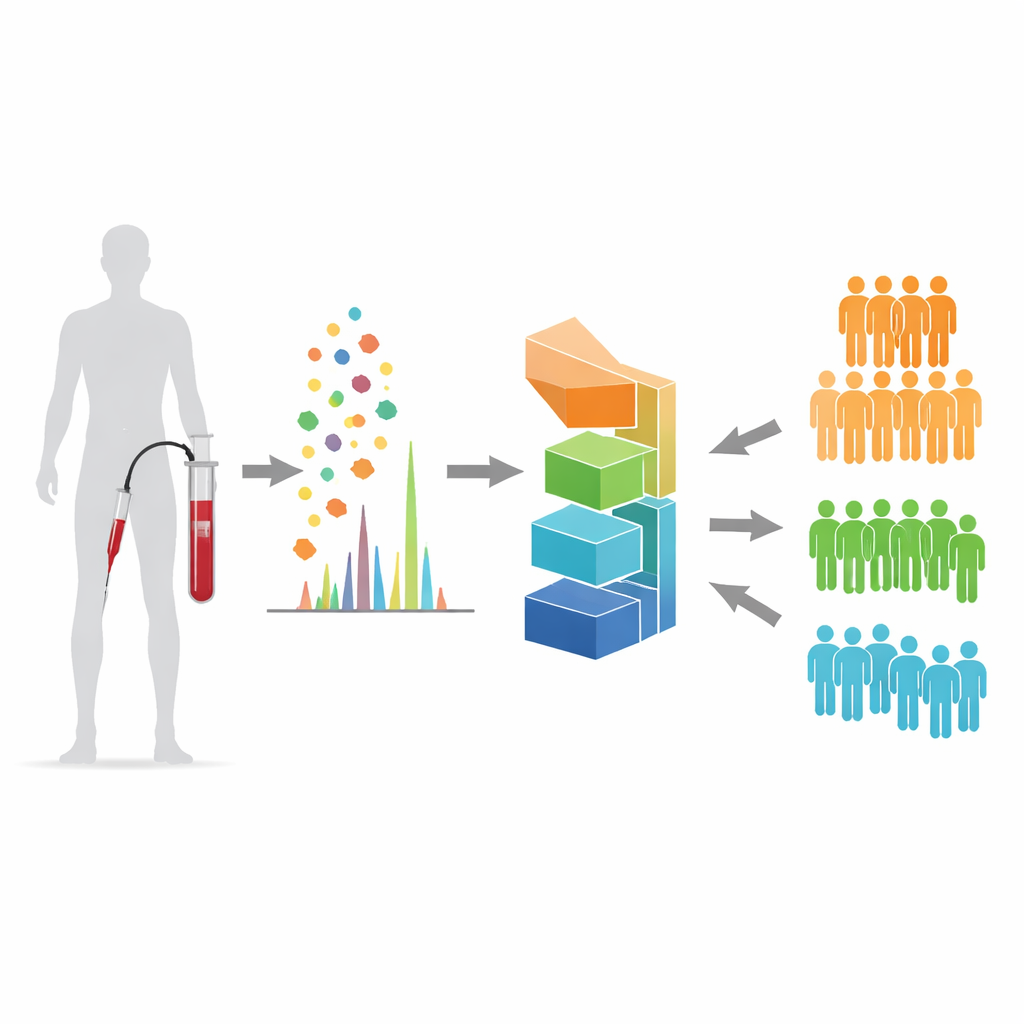
Instead of measuring just a few well‑known substances such as glucose or individual ketone bodies, the researchers used a broad approach called metabolomics. This technique captures thousands of small molecules in a blood sample at once, offering a detailed snapshot of the body’s chemistry at the time of death. In Sweden, blood from autopsies is already run through high‑resolution mass spectrometry to screen for drugs. The team realized that the same measurements also contain rich information about the body’s own molecules, and they used this existing resource to study over 1,700 real forensic cases collected between 2017 and 2020.
Building a “pattern detector” for deadly acidosis
The scientists focused on four main groups of deaths: alcoholic ketoacidosis, diabetic ketoacidosis, fatal hypothermia, and hanging. Hanging cases served as controls because the cause of death is usually clear and the process is relatively quick, with less time for metabolism to drift. From each person’s femoral blood sample, the team extracted 4,484 distinct chemical signals. Statistical tests showed that more than 1,400 of these differed between deaths linked to ketoacidosis and the control group, but simple visualization methods could not cleanly separate the groups—suggesting that more advanced pattern‑recognition tools were needed.
Teaching machines to sort causes of death
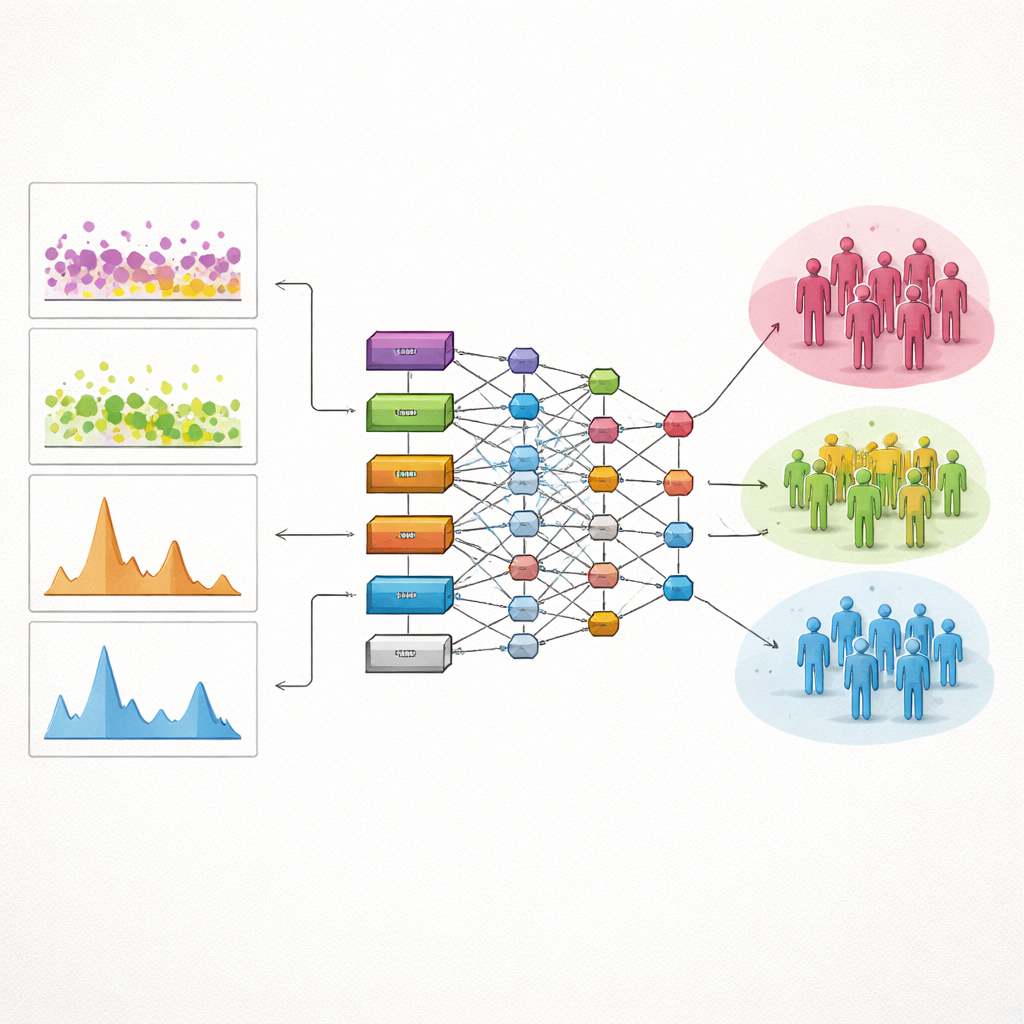
To tackle this complexity, the researchers trained three types of machine‑learning models—random forests, a form of penalized regression, and support vector machines. First, they asked the models to answer a simple question: did this person die with ketoacidosis or not? After learning from 70% of the cases, the models were tested on the remaining 30%. All three correctly identified ketoacidosis in around 90% of cases and correctly recognized controls in about 98%, showing that the overall metabolic fingerprint of ketoacidosis is distinct and detectable even after death.
Distinguishing different paths to the same deadly state
The team then challenged the models with a harder task: telling apart alcoholic ketoacidosis, diabetic ketoacidosis, hypothermia, and controls. Here, the systems still performed strongly, with balanced accuracies above 80%. They were especially good at separating alcoholic and diabetic ketoacidosis, while hypothermia cases were sometimes mistaken for controls, reflecting overlapping chemistry between these groups. To see whether the models were truly picking up on ketoacidosis rather than simply diabetes or alcohol use, the researchers tested them on new sets of cases where diabetes or alcohol was present but the main cause of death was something else. Many of these were correctly classified as controls, supporting the idea that the models were keying in on the final metabolic crisis, not just background disease.
What the molecules reveal about the body’s last hours
By examining which features the models relied on most, the researchers identified several named molecules linked to specific conditions. For example, glucosamine‑related signals were higher in deaths involving diabetes, consistent with known pathways tied to long‑term high blood sugar. Cortisol, a stress hormone, was elevated across all ketoacidosis subtypes compared with controls, supporting its role as a marker of severe physiological strain. Other molecules associated with vitamin B3 breakdown and pigment chemistry appeared especially altered in hypothermia, echoing earlier studies and hinting at how cold stress reshapes metabolism near death.
Bringing more objectivity to difficult forensic decisions
In plain terms, this study shows that a computer trained on broad chemical profiles from postmortem blood can both detect when someone died in a state of ketoacidosis and often determine whether diabetes, alcohol, or cold exposure was the driving factor. The models are not perfect, and they depend on careful study design and high‑quality data, but they offer a powerful second opinion when traditional signs and a handful of lab tests are ambiguous. With further validation, such metabolomic pattern analysis could help forensic pathologists give clearer answers to families and courts about how and why a person died.
Citation: Monte, R.E.C., Magnusson, R., Söderberg, C. et al. Detecting and subtyping ketoacidosis from metabolomic patterns in forensic casework. Sci Rep 16, 11607 (2026). https://doi.org/10.1038/s41598-026-45073-4
Keywords: ketoacidosis, forensic pathology, metabolomics, machine learning, cause of death