Clear Sky Science · en
Exploration of the usage of dental composite resin and the perception of its potential implications in forensic odontology among Lebanese dentists
Why Teeth Fillings Matter Beyond the Dentist’s Chair
When you get a tooth-colored filling at the dentist, it is easy to think of it as a simple repair job. But those tiny patches of material can later help experts identify people after accidents, fires, or other disasters, where faces and fingerprints may be unrecognizable. This study looks at how dentists in Lebanon choose and record these modern filling materials—called composite resins—and asks whether they see their everyday work as part of the wider effort to put names to unknown victims.
Modern Fillings That Look Like Real Teeth
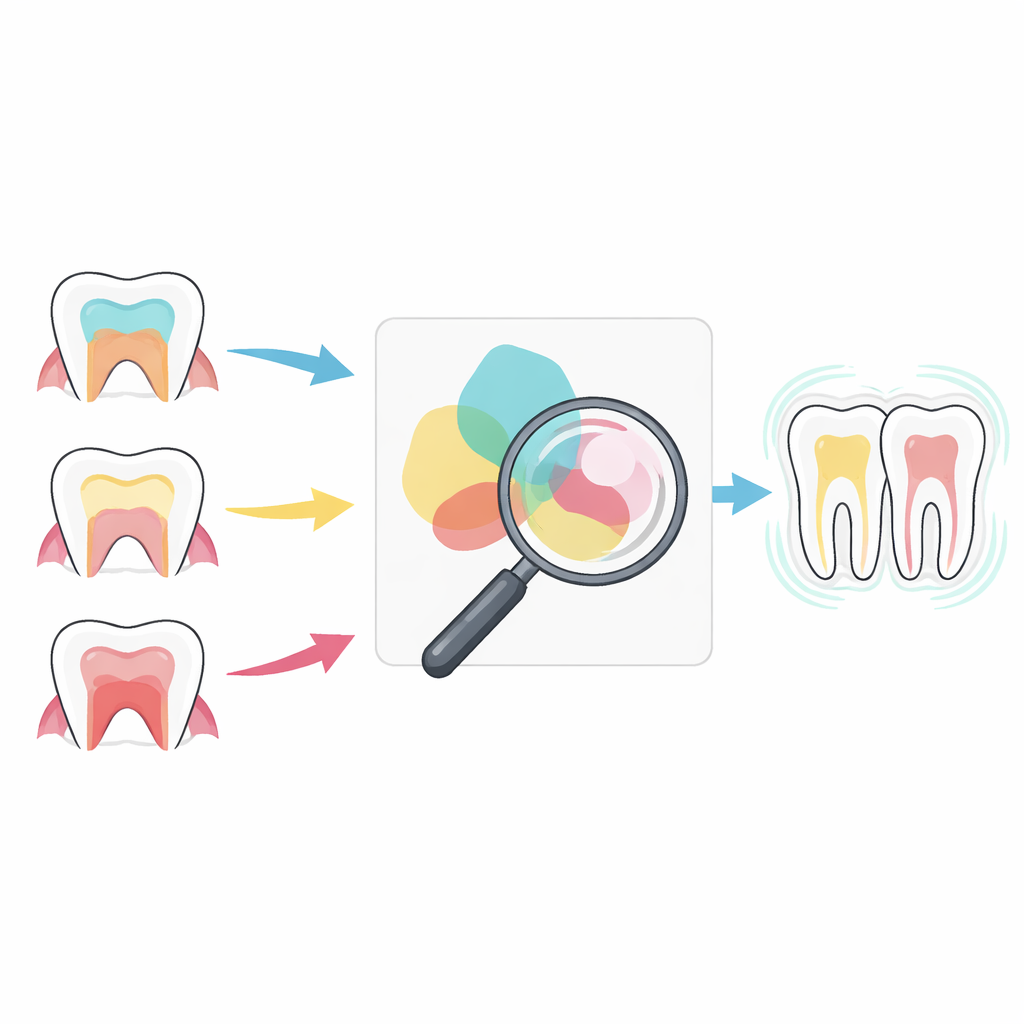
Composite resins are now the go-to material for fixing damaged teeth because they are strong, long-lasting, and can be closely matched to a person’s natural tooth color. Unlike old metal fillings, these materials are blends of plastic-like resins and tiny glass or ceramic particles engineered for strength, shine, and durability. Dentists can choose among many brands, particle sizes, and shades to get just the right look and performance. This variety means that a person’s mouth can carry a unique pattern of restorations, potentially as individual as a dental fingerprint—if the details are carefully recorded.
Teeth as Clues in Difficult Identifications
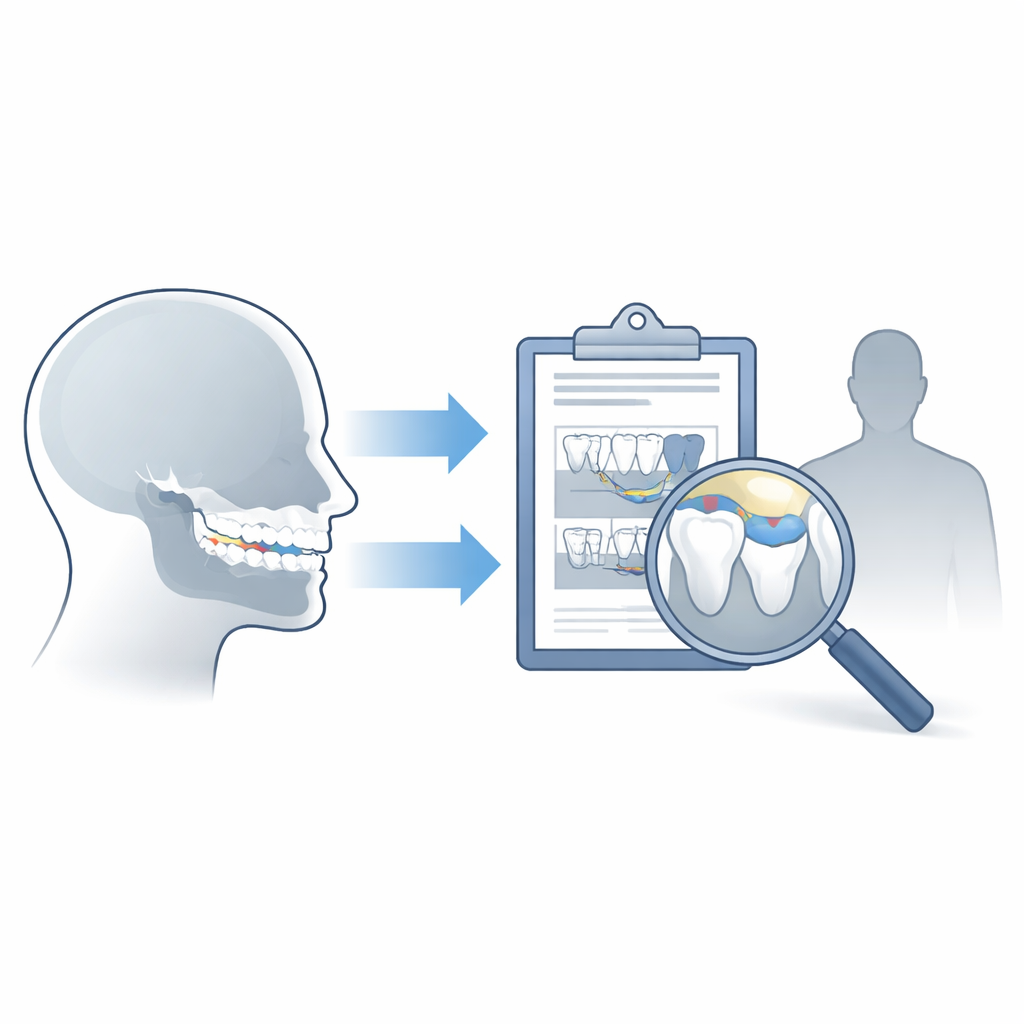
Teeth play a central role in identifying unknown bodies because they are hard, resistant to decay, and often survive harsh conditions that destroy soft tissues. Forensic specialists typically compare X-rays and dental charts taken during life with those collected after death. Metal fillings are easy to spot in these records, but modern tooth-colored composites are intentionally designed to blend in and can be hard to notice, even on X-rays or under poor lighting. Research has shown, however, that these composites can still be distinguished by their internal makeup, how they respond to heat, and the way they wear over time. That makes them powerful clues, but only if dentists document exactly what materials they used, where, and in which shade.
What Lebanese Dentists Use and Record
The researchers surveyed 79 dentists across Lebanon to learn which composite resins they preferred, how they chose colors, and what they wrote down in patient files. Most respondents had more than ten years of practice and many had additional training or specialties. A clear favorite emerged: one large international brand dominated use, especially its nano-based products that offer a balance of strength and a polished, natural appearance. Many dentists reported combining microhybrid and nanohybrid materials, and a single light, natural-looking shade—known as A2—was by far the most popular, mirroring trends reported in other countries. This suggests that while the brands and exact products vary, there are recognizable patterns in how modern dentists restore teeth.
Gaps in Record-Keeping and Forensic Awareness
When it came to documentation, however, the picture was less reassuring. Nearly all dentists recorded which tooth was treated and which surfaces were restored, but far fewer noted the brand, type, or shade of composite resin they used. Only about a fifth wrote down the specific material type, and only a quarter recorded the exact color. Many also skipped recording the date of placement. At the same time, almost half of the dentists said they believed composite resins could help identify victims, and many supported further research in this area. Interestingly, those who had received legal training—not just technical dental training—were more likely to rate composite resins as important for forensic work and to see the need for continued study.
What This Means for Patients and Investigators
In simple terms, this study shows that the fillings in your mouth can carry useful clues for identifying you, but those clues are often left half-written in the record books. Lebanese dentists are using modern materials much like their colleagues elsewhere, yet they frequently omit the fine-grained details that could turn a routine dental chart into a powerful identification tool. The authors argue that better legal and forensic education for dentists, along with more complete and standardized record-keeping, could help make sure that whenever disaster strikes, dental records are as precise and informative as possible—supporting families, investigators, and the wider justice system far beyond the dentist’s office.
Citation: Fakhro, M., Sakr, A., el Bitar, L. et al. Exploration of the usage of dental composite resin and the perception of its potential implications in forensic odontology among Lebanese dentists. Sci Rep 16, 13269 (2026). https://doi.org/10.1038/s41598-026-44975-7
Keywords: forensic odontology, dental composite resin, dental records, victim identification, Lebanese dentists