Clear Sky Science · en
LSTM-CNN hybrid model for E-commerce talent demand prediction and intelligent program optimization in vocational colleges under the double first-class initiative
Why future jobs for students matter
For many young people in vocational colleges, the biggest question is simple: will my skills still be wanted by the time I graduate? In e-commerce, where new tools and trends appear every year, schools struggle to keep courses in step with real hiring needs. This study explores a smart forecasting system that analyzes huge amounts of job market data and helps colleges adjust what they teach so students are better prepared for real jobs in the digital economy.

Fast changing work in online business
E-commerce now touches everything from online shops and digital marketing to logistics and data analysis. Employers no longer look for just one narrow skill but a mix of technical, business, and people skills. Traditional ways of planning college programs, which rely on slow surveys and past employment data, cannot keep up with these rapid shifts. As a result, graduates may discover that what they learned is out of date, while companies complain that they cannot find people with the right abilities.
Why old prediction tools fall short
Many colleges and agencies try to predict talent demand using simple statistics that assume the future will look like the past. These methods often miss sudden changes, such as a new technology or policy that reshapes hiring overnight. They also struggle to combine different kinds of information, like job ads, official statistics, industry reports, and regional trends. The authors argue that a more flexible, data-hungry approach is needed to read these complex patterns and update forecasts as new information arrives.
A smarter way to read the job market
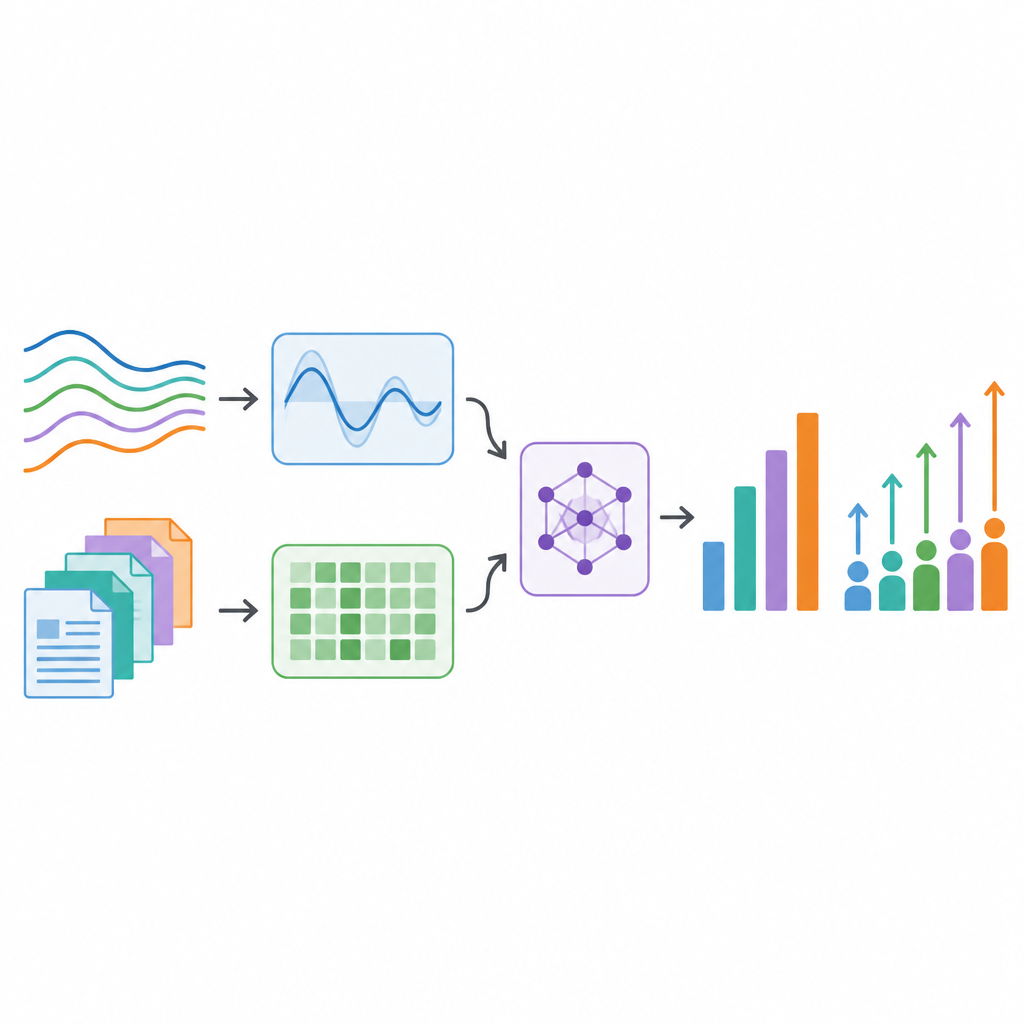
The study introduces a hybrid model that blends two types of deep learning: one part is especially good at tracking how numbers change over time, while the other part is skilled at spotting patterns in complex data, such as collections of job descriptions. Working together, they take in streams of information about job postings, salaries, skills, locations, and education requirements. The system cleans and standardizes the data, learns which pieces matter most, and then produces forecasts of how demand for different e-commerce skills is likely to rise or fall in coming months and years.
From forecasts to teaching decisions
What makes this work stand out is not only better prediction, but also the way it turns numbers into practical advice for colleges. The model highlights where skill gaps are growing, such as data analysis, marketing automation, cross-border trade, or the use of artificial intelligence in online business. Based on this, the system suggests how programs might shift course offerings, create new specializations, invest in teacher training, or expand partnerships with local employers. It also considers limits on budgets and staff, helping schools decide which changes are most urgent and realistic.
What the experiments showed in practice
To test the system, the researchers connected it to more than one hundred thousand real job postings and related data from 2019 to 2024, using modern computing tools. They compared the hybrid model with standard methods, such as classic time series formulas and single-type neural networks. The new approach was clearly more accurate, cutting prediction errors by roughly one third and explaining much more of the variation in hiring demand. When three vocational colleges tried using its recommendations, they later saw higher graduate employment rates and better feedback from employers, although other factors may also have played a role.
What this means for students and schools
In plain terms, the study suggests that smarter use of job market data can help vocational colleges keep their programs in tune with a moving target. By reading subtle signals from the labor market and translating them into timely curriculum updates, such systems may reduce mismatches between what students learn and what employers want. The authors caution that the results so far are based on limited pilots and that data gaps and regional differences remain. Even so, the work points toward a future in which educational planning is guided less by guesswork and more by continuous, evidence-based insight into where tomorrow’s jobs will be.
Citation: Zhao, J. LSTM-CNN hybrid model for E-commerce talent demand prediction and intelligent program optimization in vocational colleges under the double first-class initiative. Sci Rep 16, 15975 (2026). https://doi.org/10.1038/s41598-026-44954-y
Keywords: e-commerce jobs, vocational education, talent forecasting, deep learning, curriculum planning