Clear Sky Science · en
CIPHER-seq enables intracellular multimodal profiling of cytokine responses in single immune cells
Seeing the Immune System More Clearly
Our immune cells communicate by releasing tiny protein messengers called cytokines, which help fight infections and cancer but can also fuel autoimmune disease. Scientists often study immune cells one by one using powerful RNA sequencing tools, yet these tools mostly see the messages written in RNA, not the actual proteins doing the work. This paper introduces CIPHER-seq, a new method that lets researchers measure both the genetic messages and the hidden protein signals inside individual immune cells at the same time, giving a far more faithful picture of how our defenses really behave.
Why RNA Alone Misses the Full Story
Many modern studies treat RNA as a stand-in for protein levels, assuming that more RNA means more protein. By revisiting large existing datasets from cancer and single-cell studies, the authors show that this shortcut often fails—especially for cytokines and other activation markers in immune cells. Across thousands of genes, the relationship between RNA and protein was weak, and some genes even showed opposite trends. This mismatch stems from the many steps between making RNA and building or retaining a protein, including how quickly proteins are made, secreted, or broken down. The result is that RNA-only measurements can easily misjudge how strongly an immune cell is responding.
Building a Gentler Window into Cells
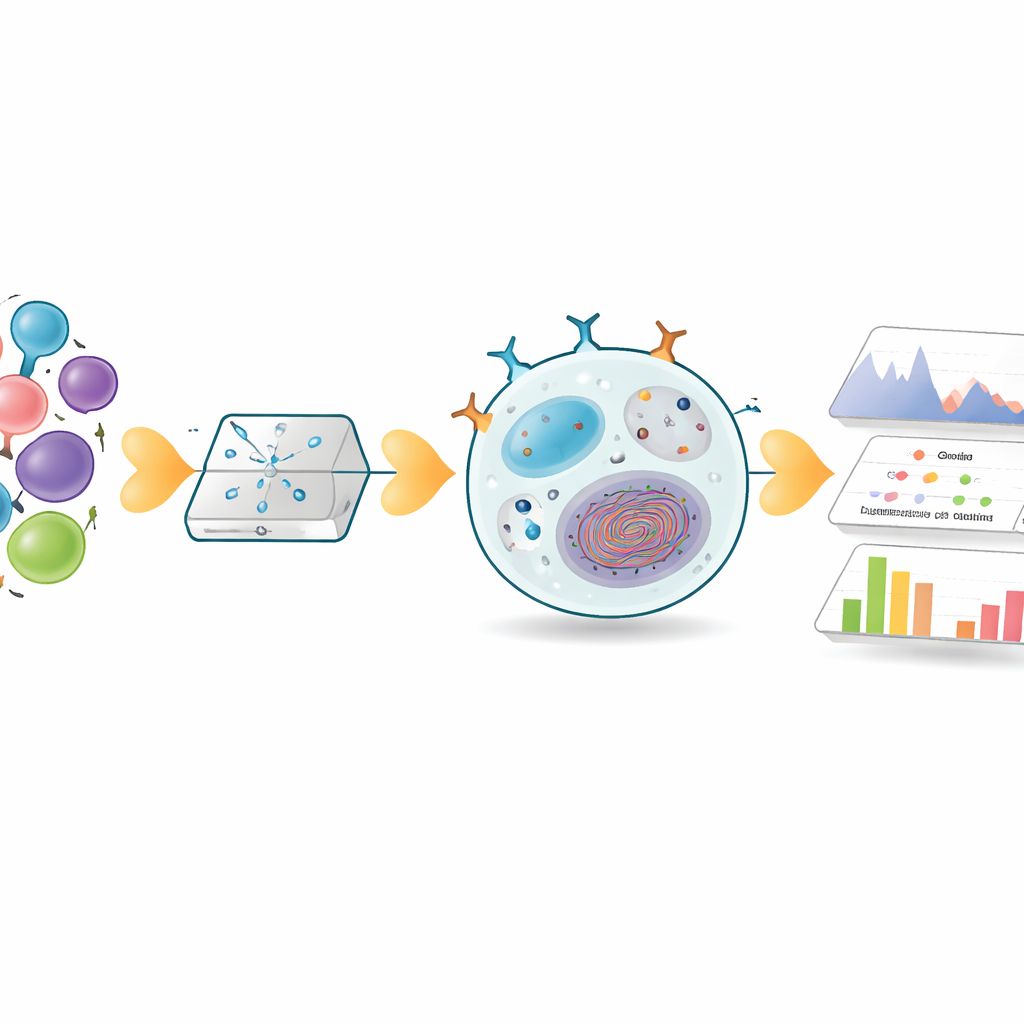
To fix this, the team created CIPHER-seq, a carefully tuned laboratory workflow that gently fixes and opens immune cells so that special barcoded antibodies can slip inside and tag proteins, while RNA remains intact for sequencing. They compared CIPHER-seq to leading commercial methods using human blood immune cells at rest and after strong stimulation. All methods captured similar types and numbers of cells, but a key difference emerged: rival protocols triggered a spike in mitochondrial RNA, a hallmark of cellular stress and damage. In contrast, CIPHER-seq kept these stress signals low while still allowing robust access to internal targets, suggesting it perturbs cells less and produces cleaner, more trustworthy data.
Watching Immune Messages in Real Time
Armed with this improved chemistry, the researchers then tracked how immune cells respond when activated. They focused on two major inflammatory cytokines, IFN-γ and TNF, measured both as RNA and as proteins inside single cells. After stimulation, many different immune cell types sharply increased both RNA and protein for these messengers, with some cells becoming "polyfunctional" producers of multiple cytokines at once. By arranging cells along a data-driven "activation timeline," the team saw that the RNA signal rose first, followed shortly by the protein signal inside the same cells. The lag was small but consistent, matching the biological expectation that genes are read into RNA before proteins accumulate, and underscoring the value of measuring both layers together.
Five Views of the Same Cell
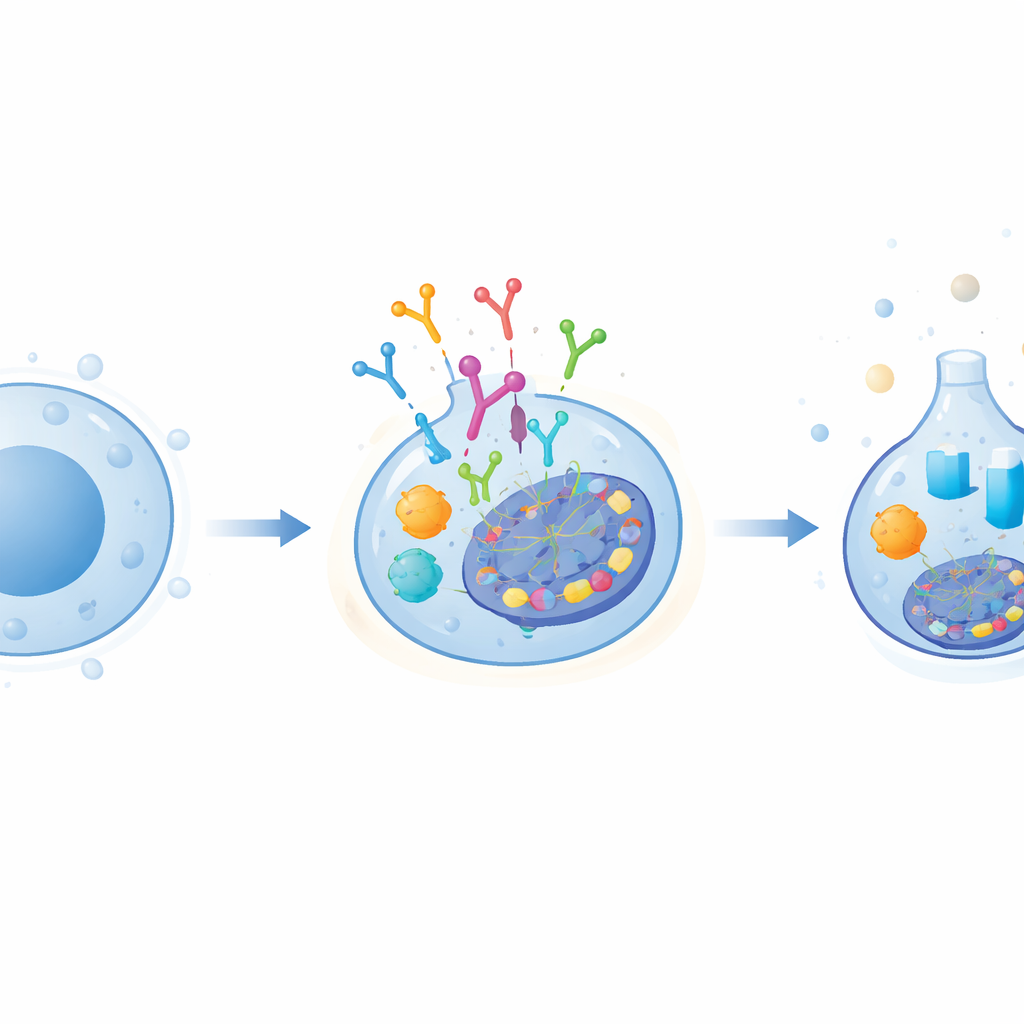
CIPHER-seq is more than a single measurement; it is a five-layer view of each cell. In one experiment, it captures the full set of RNA messages, proteins on the cell surface, internal cytokines, other internal proteins, and barcodes that keep track of which sample each cell came from. Because all of these are read together from the very same cells, researchers can map how metabolism, stress responses, and activation pathways intertwine. The authors show that under CIPHER-seq, links between RNA and protein in sensitive pathways such as energy production and DNA repair are better preserved, indicating reduced artificial stress and more faithful biology.
What This Means for Future Medicine
In the end, the study shows that RNA alone is not enough to understand how immune cells truly behave, especially when it comes to potent, fast-acting molecules like cytokines. CIPHER-seq offers a practical way to see both the genetic instructions and the protein actions inside thousands of individual cells at once, without heavily disturbing them. For patients, this kind of detailed, multi-layered immune profiling could help explain why some people respond to infections, vaccines, or cancer therapies differently than others, and may guide the design of more precise treatments that harness or calm the immune system with greater accuracy.
Citation: Bhalgat, A., Micin, K., Affer, M. et al. CIPHER-seq enables intracellular multimodal profiling of cytokine responses in single immune cells. Sci Rep 16, 9693 (2026). https://doi.org/10.1038/s41598-026-44946-y
Keywords: single-cell sequencing, cytokine profiling, immune activation, multiomics, intracellular proteins