Clear Sky Science · en
Prevalence of depressive symptoms and its burden on neurological practice in urban Egypt: a cross-sectional study
Why the Minds of Brain Doctors Matter
Neurologists are the doctors we turn to for conditions such as strokes, epilepsy, and dementia—problems that can change a person’s life in an instant. But behind their calm professional manner, many of these specialists are themselves struggling. This study looks at neurologists working in Cairo and Giza, Egypt, and asks a simple but urgent question: how many of them are living with symptoms of depression, and what in their work lives is pushing them toward emotional burnout?

A Glimpse Into Life on the Neurology Ward
The researchers surveyed 138 neurologists across a range of hospitals, including public, private, and university centers. Participants answered questions about their age, career stage, weekly working hours, and overall job satisfaction, and they completed a standard checklist used worldwide to screen for depression. Most of the doctors were in their thirties and early in their careers, many working long shifts that could stretch well beyond a typical workweek. This snapshot allowed the team to connect the doctors’ daily realities—crowded clinics, night calls, and constant decision-making—to their mental well-being.
How Common Are Depressive Feelings?
The results were striking. Only about one third of neurologists reported little to no depressive symptoms. The remaining two thirds showed signs ranging from mild low mood to levels consistent with moderate or even severe depression. Nearly half of all respondents fell into the moderate-to-severe range, a level at which mood problems can begin to interfere with sleep, relationships, and work performance. Compared with rates reported in the general population, and even in many other medical specialties, this indicates a particularly heavy emotional burden on neurologists in this urban Egyptian setting.
Who Is Hurting the Most?
Not all neurologists were affected equally. Doctors at the start of their careers—especially residents and junior staff—reported the highest depression scores, while senior consultants and professors were much less affected. Long hours also mattered: those working more than about 72 hours per week were far more likely to show troubling levels of symptoms. A history of depression before starting neurology training emerged as one of the strongest warning signs; more than eight out of ten neurologists with such a history currently had moderate to severe symptoms. Lack of satisfaction with one’s career, feeling stuck without good training or a clear path forward, also strongly tracked with poorer mental health.
What Neurologists Say They Need
When asked what would most improve their work lives, neurologists did not focus first on salary, though pay was important. The top request was for stronger training programs and a clearer, more predictable career ladder. Many also called for shorter working hours and better work environments, suggesting that emotional strain does not come only from the volume of work, but also from how supported and valued they feel while doing it. These answers highlight that solutions are not solely medical or individual; they require changes in how hospitals and health systems are organized.
What This Means for Patients and Society
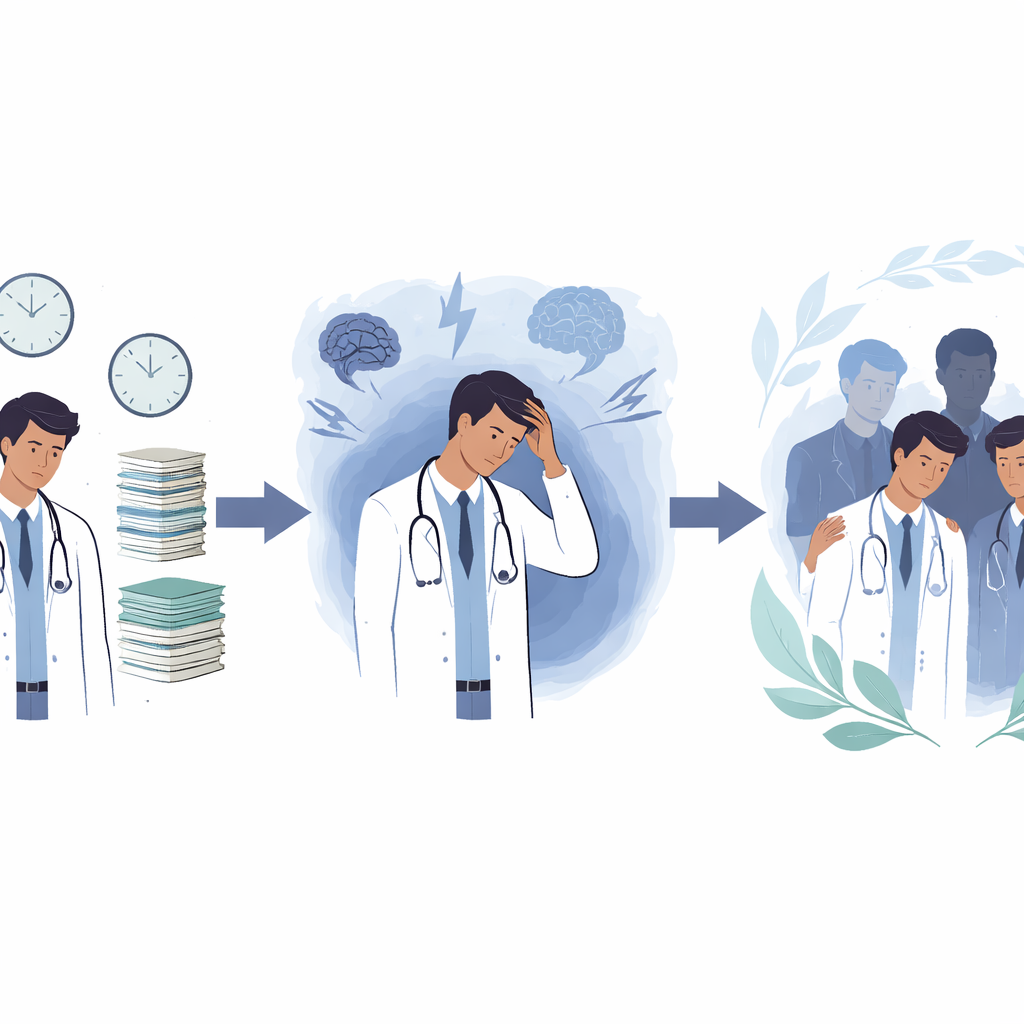
Depressed doctors are still dedicated professionals, but persistent low mood, exhaustion, and loss of motivation can make it harder to concentrate, communicate, and deliver the best possible care. This study concludes that depression is both common and unevenly distributed among Egyptian neurologists, hitting hardest those who are young, overworked, or already vulnerable. The authors argue that protecting the mental health of neurologists should be treated as a core part of quality care. Regular psychological checkups, better support for early-career doctors, more reasonable work hours, and clearer career structures could help turn a vicious cycle of stress into a healthier, more sustainable system—for doctors and patients alike.
Citation: Nasef, M.S., Abozeid, S. & Hassan, S.A. Prevalence of depressive symptoms and its burden on neurological practice in urban Egypt: a cross-sectional study. Sci Rep 16, 12065 (2026). https://doi.org/10.1038/s41598-026-44875-w
Keywords: physician depression, neurologists, burnout, work hours, mental health in healthcare