Clear Sky Science · en
Risk factors for postextubation pneumonia using diagnosis procedure combination and claims data in Japan
Why breathing support after surgery still matters later
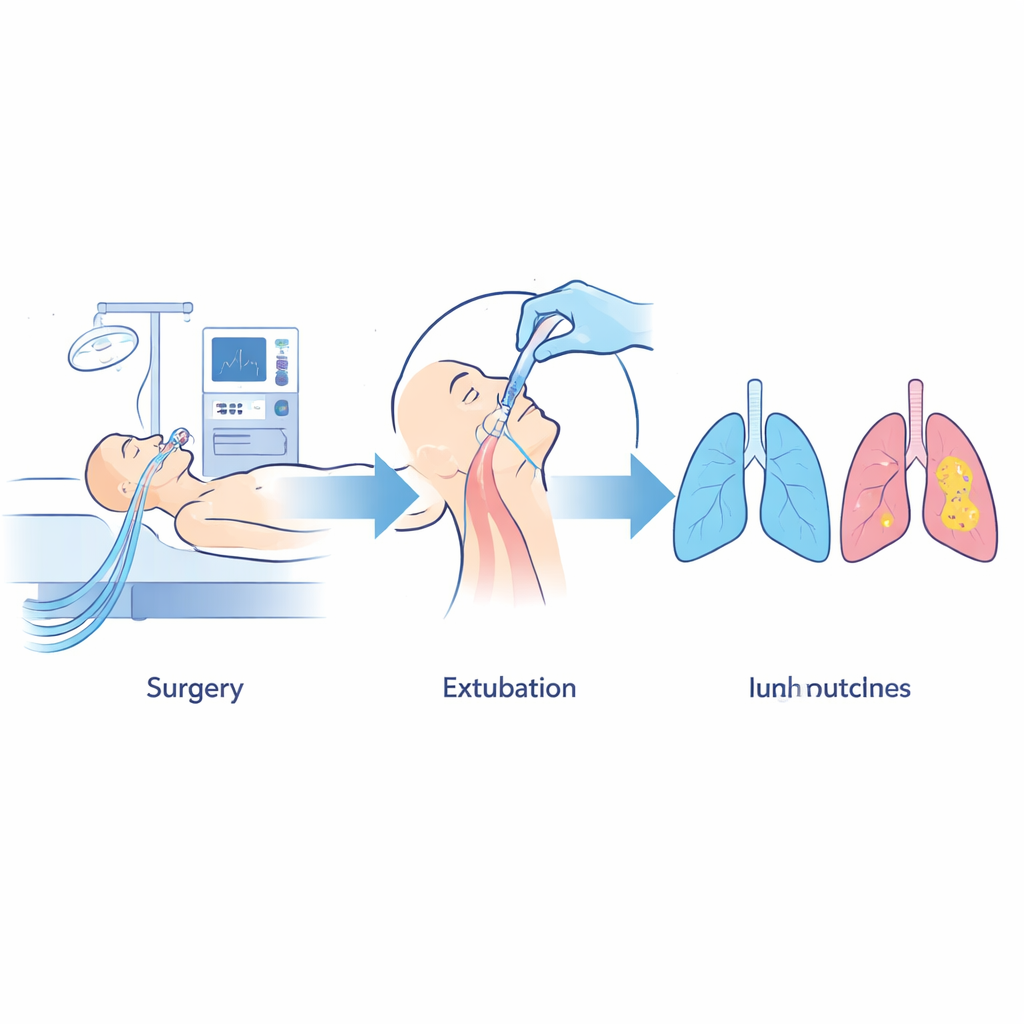
Many people safely undergo surgery with general anesthesia and a breathing tube, then seem to recover well. Yet in some cases, a serious lung infection appears days later, long after the tube is removed. This study from a large Japanese hospital asks a simple but important question: who is most at risk for this kind of post-surgery pneumonia, and when does it tend to strike? By digging into detailed hospital records, the researchers show that this problem is both more common and more predictable than many clinicians realize—meaning there are clear chances to prevent it.
A hidden lung risk after the breathing tube comes out
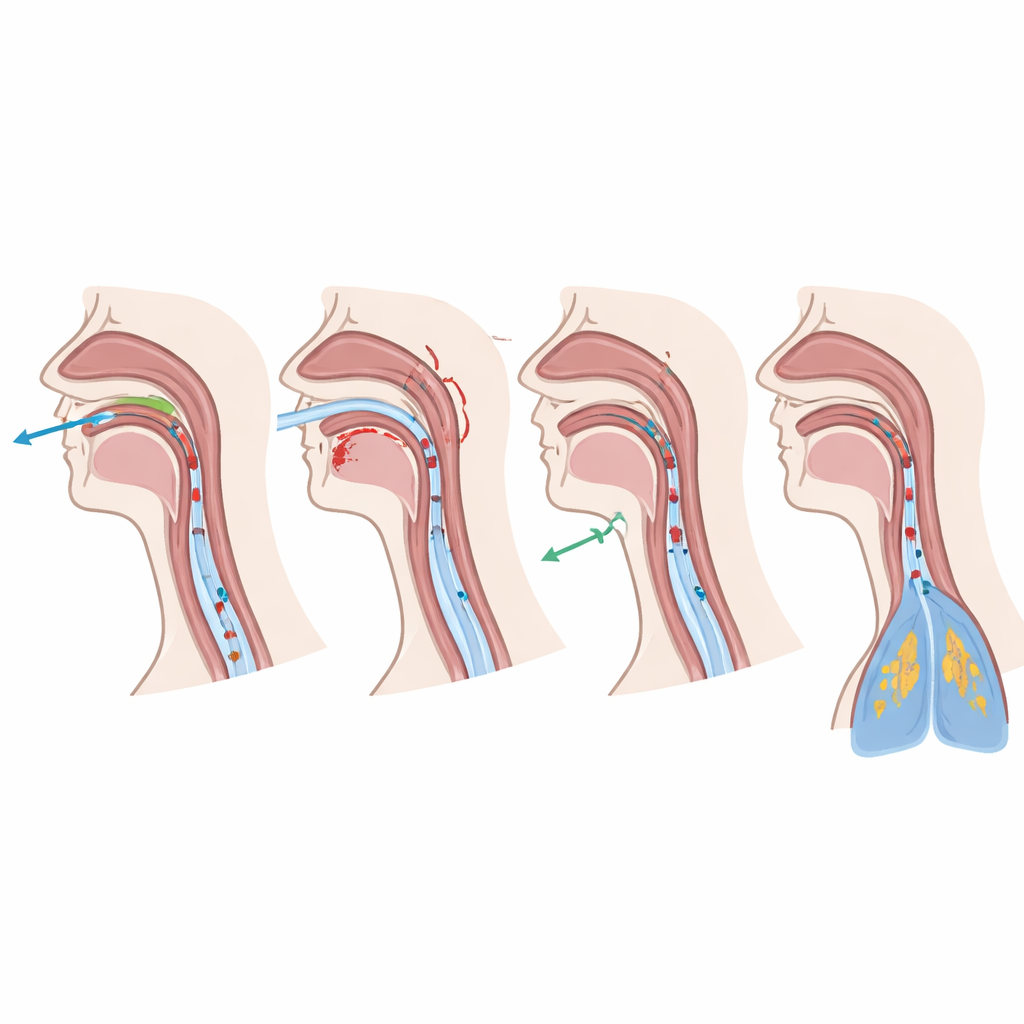
The authors focus on a specific type of pneumonia called postextubation pneumonia (PEP). It happens after the breathing tube is removed and is closely linked to swallowing problems that can develop around that time. When swallowing is weak or poorly coordinated, bits of food, drink, or saliva can slip into the airway instead of going down the food pipe, seeding infection in the lungs. This is different from ventilator-associated pneumonia (VAP), which starts while the tube is still in place and is driven more by bacteria in the breathing machine and airway. Despite affecting recovery, PEP has not been clearly defined or tracked as its own condition, so its true frequency and risk factors have remained uncertain.
What the data from thousands of surgeries reveal
The team reviewed records from over 35,000 surgeries under general anesthesia at Hiroshima University Hospital between 2016 and 2023. After excluding emergency cases and people missing key information, they analyzed 31,828 elective surgery patients. Using standardized diagnosis and insurance claim codes, they looked for new pneumonia diagnoses within 30 days after the breathing tube was removed, along with the start of antibiotic treatment. These cases were labeled as PEP. Pneumonia that began at least two days into mechanical ventilation and while the tube was still in place was labeled as VAP. In this large group, 212 people (0.67%) developed PEP, while only 27 developed VAP, meaning PEP was actually more frequent in this elective surgery setting.
Who is most vulnerable to this delayed infection
By comparing patients who developed PEP with those who did not, the researchers identified several independent risk factors. Older age and being male increased risk, as did being underweight (low body mass index), having reduced alertness, and needing help with everyday activities such as moving or personal care. These traits align with what is already known about swallowing problems and aspiration pneumonia in older or frail people. Certain surgery types also carried higher risk, including operations on the digestive system, lungs, chest, heart and blood vessels, brain and nerves, and areas such as the head and neck. Surprisingly, smoking history was not a strong predictor once other factors were taken into account. Together, these patterns suggest that a patient’s overall strength, awareness, and swallowing reserve matter more than how long they stayed on the ventilator.
The dangerous days after the tube is removed
Timing turned out to be crucial. The study showed that about 80% of PEP cases appeared within one week of removing the breathing tube and more than 90% within two weeks. This tight window highlights a vulnerable phase when swallowing remains disturbed, airway reflexes are dulled, and the body is stressed by surgery. The authors argue that this period should be treated as a distinct risk zone, separate from the time spent on the ventilator itself. Because the hospital used uniform coding and reimbursement systems, the team could map this risk window clearly across a wide range of surgical departments, offering a broader picture than previous smaller studies.
Turning insight into safer recoveries
For non-specialists, the main takeaway is that pneumonia after surgery is not just a random complication—it is often linked to predictable swallowing and frailty issues that arise when the breathing tube comes out. The study shows that PEP is more common than ventilator-related pneumonia in elective surgery patients and is concentrated in the first couple of weeks of recovery. This means hospitals can act: by screening high-risk patients for swallowing problems, improving mouth care, adjusting posture and diet, and involving rehabilitation and nursing teams early, many cases may be prevented. Recognizing postextubation pneumonia as its own problem, with its own risk profile and timing, is a key step toward making surgery safer for older and weaker patients.
Citation: Hirayama, J., Nakamori, M., Matsumoto, A. et al. Risk factors for postextubation pneumonia using diagnosis procedure combination and claims data in Japan. Sci Rep 16, 13673 (2026). https://doi.org/10.1038/s41598-026-44666-3
Keywords: postextubation pneumonia, aspiration after surgery, swallowing problems, postoperative lung infection, general anesthesia risk