Clear Sky Science · en
The impact of male sex on outcomes in primary biliary cholangitis
Why this matters for patients and families
Primary biliary cholangitis (PBC) is a long‑lasting liver disease that mostly affects women, so men with this condition are often overlooked. This study asks a simple but important question: when men do develop PBC, do they fare differently in the hospital than women, and are those differences unique to this disease? Understanding the answer can help doctors spot high‑risk patients earlier and tailor follow‑up and treatment to prevent liver failure and the need for transplants.
What this liver disease is and who it affects
PBC is an autoimmune disease in which the body slowly attacks the small bile ducts inside the liver. Over years, this can lead to scarring, poor bile flow, cirrhosis, and eventually liver failure if not properly treated. Traditionally, PBC has been seen as a “women’s disease,” with earlier studies reporting around nine to twenty women affected for every man. More recent work, however, shows that diagnoses in men are rising, likely because doctors are getting better at recognizing the condition in male patients.
How the study was done
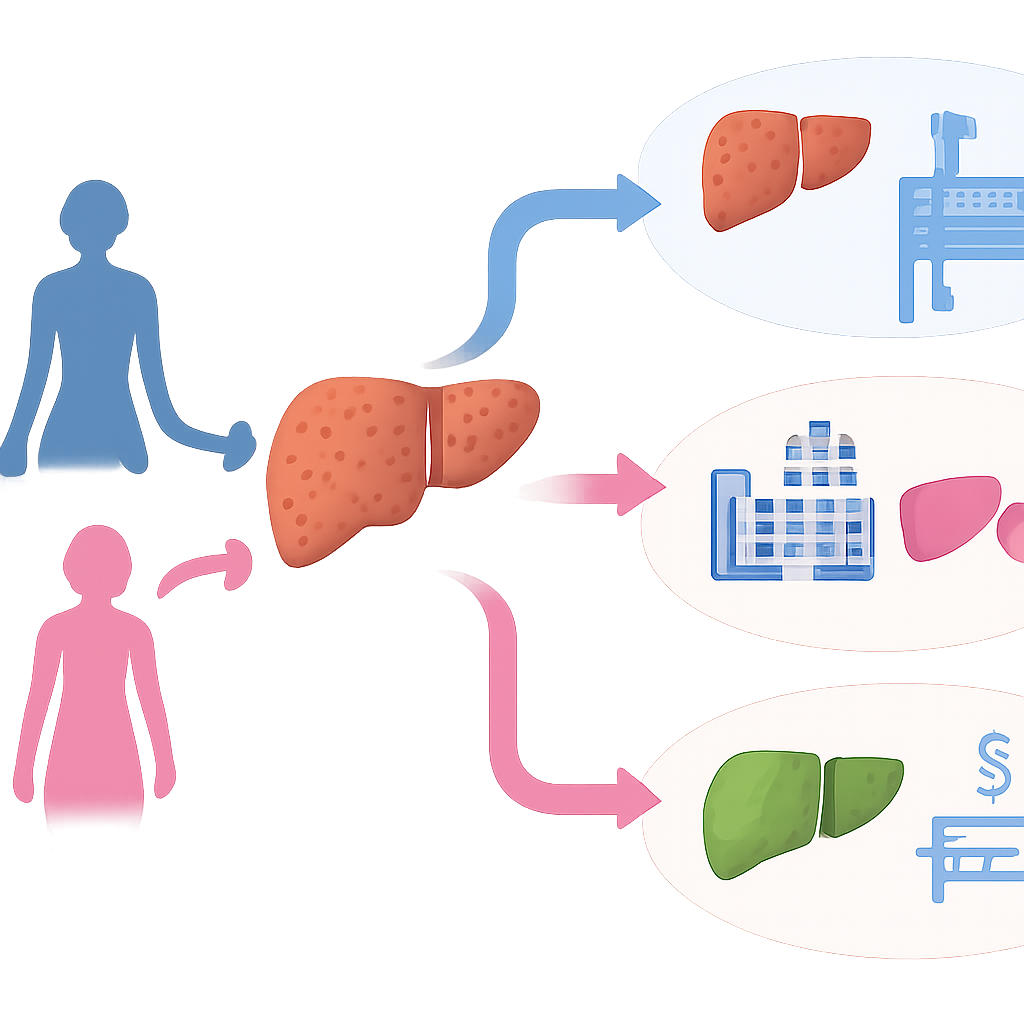
Researchers at a large hospital in Berlin reviewed more than a decade of inpatient records, from 2011 to 2022. They identified 940 hospital stays involving people with PBC; about 18% of these were men. Using diagnostic and procedure codes, they captured information on age, sex, blood tests, other health problems, liver‑related complications, deaths in hospital, and liver transplants. The main outcome they focused on was a combined measure of dying in the hospital or needing a liver transplant during that admission. They also looked at how long patients stayed in hospital and how often they developed serious liver problems such as fluid in the abdomen, confusion from liver failure, bleeding from enlarged veins, kidney problems, and infections. To see whether any sex differences were specific to PBC, they compared these patients with a second group of 940 people who had cirrhosis from other causes—such as alcohol, viral hepatitis, or fatty liver disease—matched carefully by age and other illnesses.
What was discovered about men with this disease
Men admitted with PBC tended to be younger than women but arrived with more severe liver damage. Their liver blood tests were more abnormal, and scores that predict the risk of death in liver disease were higher. Men also more often had advanced cirrhosis grades and signs of high pressure in the veins of the liver, such as low platelet counts. They showed a consistent pattern of more liver‑related complications—including serious infections in abdominal fluid, clots in the main vein entering the liver, and signs of poor nutrition—compared with women, who mainly had higher rates of bone thinning, as expected.
How men and women compared on deaths and transplants
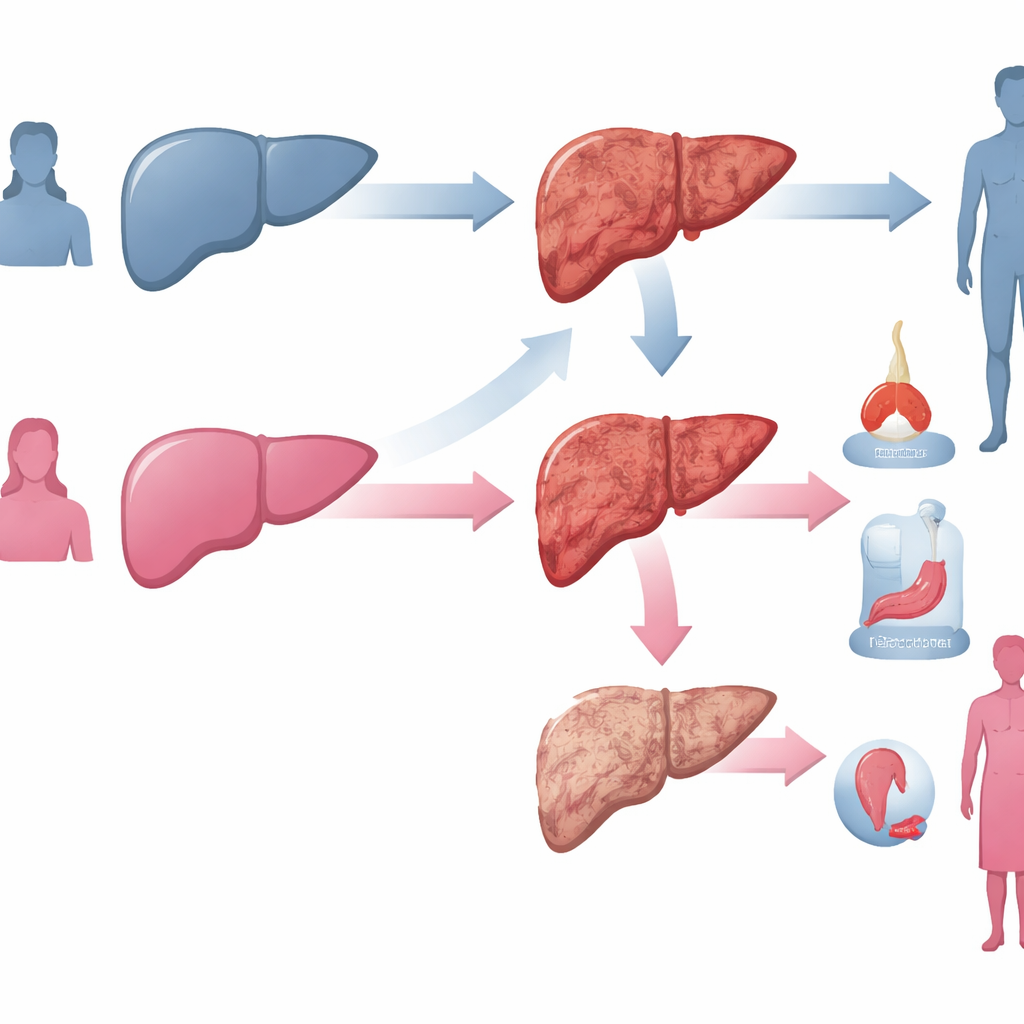
When the team ran statistical analyses, men with PBC were far more likely than women to die in hospital or undergo a liver transplant during their stay, even after adjusting for age and other health conditions. They also had longer hospital stays and higher chances of dying in hospital or needing a transplant considered separately. In contrast, in the matched group with other types of cirrhosis, men tended to do better than women: they had lower odds of dying or becoming severely decompensated, and only a weak, statistically uncertain signal for more transplants. An interaction analysis that combined both groups confirmed that being male carried a much stronger negative impact in PBC than in other liver diseases.
Possible reasons behind the gap
The study could not directly measure all the factors that might explain these differences, but the authors discuss several ideas. Men with PBC in their clinic had fewer outpatient visits than women, hinting at weaker follow‑up or delayed care. Previous research suggests men may be diagnosed later, be less likely to receive the standard medication ursodeoxycholic acid, or respond differently to it. Biological factors may also play a role: estrogen appears to influence cells lining the bile ducts, and hormonal changes in women have been linked to flare‑ups or protection at different life stages. The lack of this hormonal influence in men might allow faster or more aggressive disease progression.
What this means for care and next steps
For a lay audience, the core message is clear: although PBC is less common in men, when men do develop it they tend to arrive in hospital sicker and face a higher risk of death or liver transplant than women with the same disease. This pattern is not seen in other forms of cirrhosis, suggesting something specific about how PBC behaves in males. The findings argue for earlier recognition, closer monitoring, and possibly more aggressive treatment of men with PBC, while future research works out whether the causes lie in delayed diagnosis, differences in treatment, or underlying biology.
Citation: Walia, N., Pohl, J., Reinhardt, M. et al. The impact of male sex on outcomes in primary biliary cholangitis. Sci Rep 16, 10548 (2026). https://doi.org/10.1038/s41598-026-44615-0
Keywords: primary biliary cholangitis, sex differences, liver cirrhosis, liver transplant risk, autoimmune liver disease