Clear Sky Science · en
Impact of comorbid diseases and associated factors on tuberculosis treatment outcomes among tuberculosis patients in South West Oromia, Ethiopia: a retrospective cohort study
Why this matters for everyday health
Tuberculosis (TB) is often thought of as a disease that can be cured with a standard course of antibiotics. But for many people, especially those who are older or living with other long‑term illnesses, the story is more complicated. This study from southwest Ethiopia asks a simple but vital question: when someone has TB plus other health problems like high blood pressure or diabetes, how much harder does it become to successfully complete treatment and survive?
A closer look at patients in southwest Ethiopia
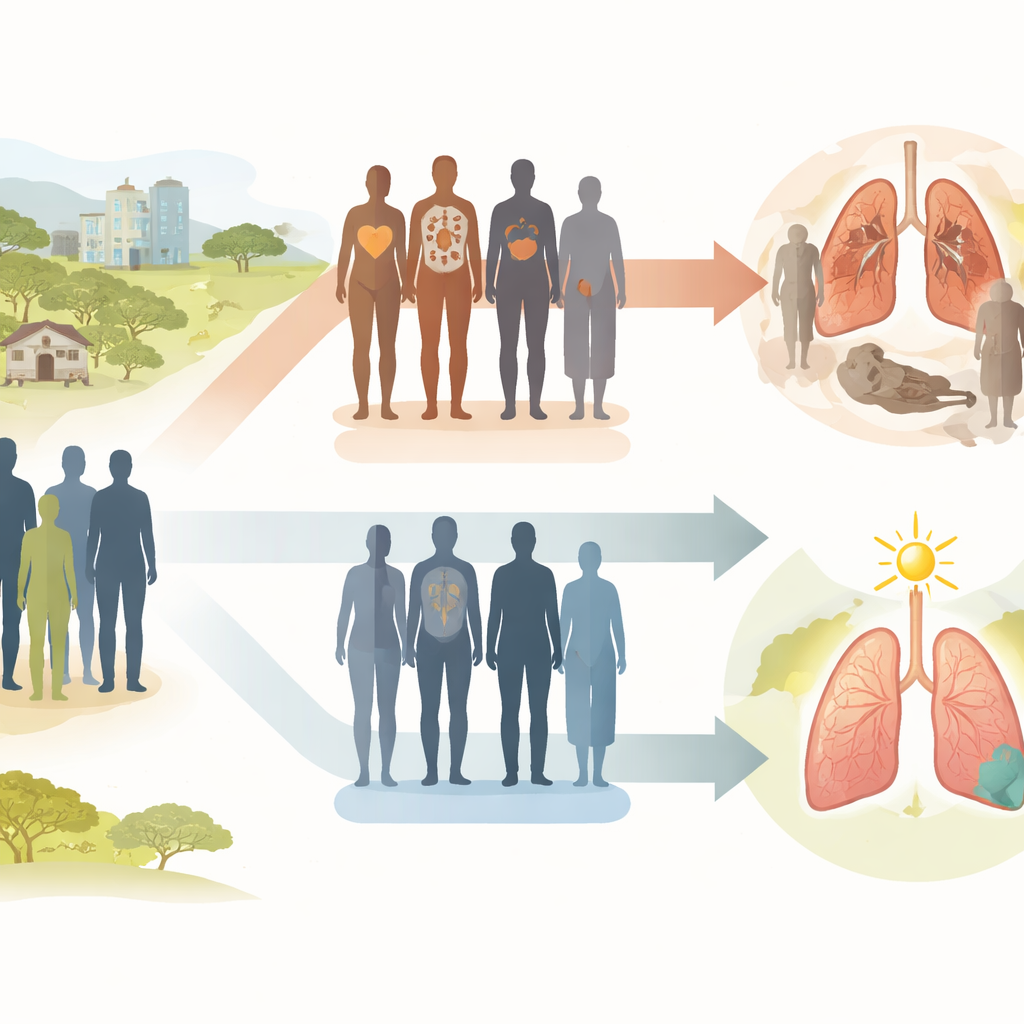
Researchers reviewed medical records from five hospitals in the Ilu Ababor and Buno Bedele zones of Oromia, Ethiopia. They focused on 1,183 adults treated for TB between 2018 and 2023. Most patients were women, with an average age of about 40, and more than half lived in rural areas. Everyone in the study received the standard four‑drug treatment recommended for TB. The team compared two groups: people who had TB alone and those who had TB plus at least one other long‑term illness, such as high blood pressure, heart failure, diabetes, kidney disease, cancer, or HIV.
When other illnesses pile on
The researchers found that additional illnesses made TB treatment much more likely to go badly. Overall, about 14 percent of patients had an unsuccessful outcome—meaning they died, their treatment failed, or they stopped treatment early. But when the team looked more closely, the contrast between the two groups was stark. Among people with TB plus another illness, nearly three in ten had an unsuccessful outcome, compared with fewer than one in ten among those with TB alone. Deaths and treatment failures were both more frequent in the group with added health problems, showing that these conditions do more than just complicate day‑to‑day life: they can tip the balance between recovery and decline.
Age, gender, and where you live
The study also showed that not all TB patients face the same level of risk, even when they receive the same medicines. Older adults were more likely to have poor outcomes than younger ones, reflecting how the body’s defenses tend to weaken with age. Men were roughly twice as likely as women to experience unsuccessful treatment, echoing patterns seen in other countries where men are more likely to delay seeking care, consume alcohol or tobacco, and struggle with steady medication use. Living in a rural area also increased risk: patients outside towns were about three times more likely to have a poor outcome than those in urban settings, likely due to longer travel times, fewer health facilities, and greater economic hardship.
Adding up the burden of illness
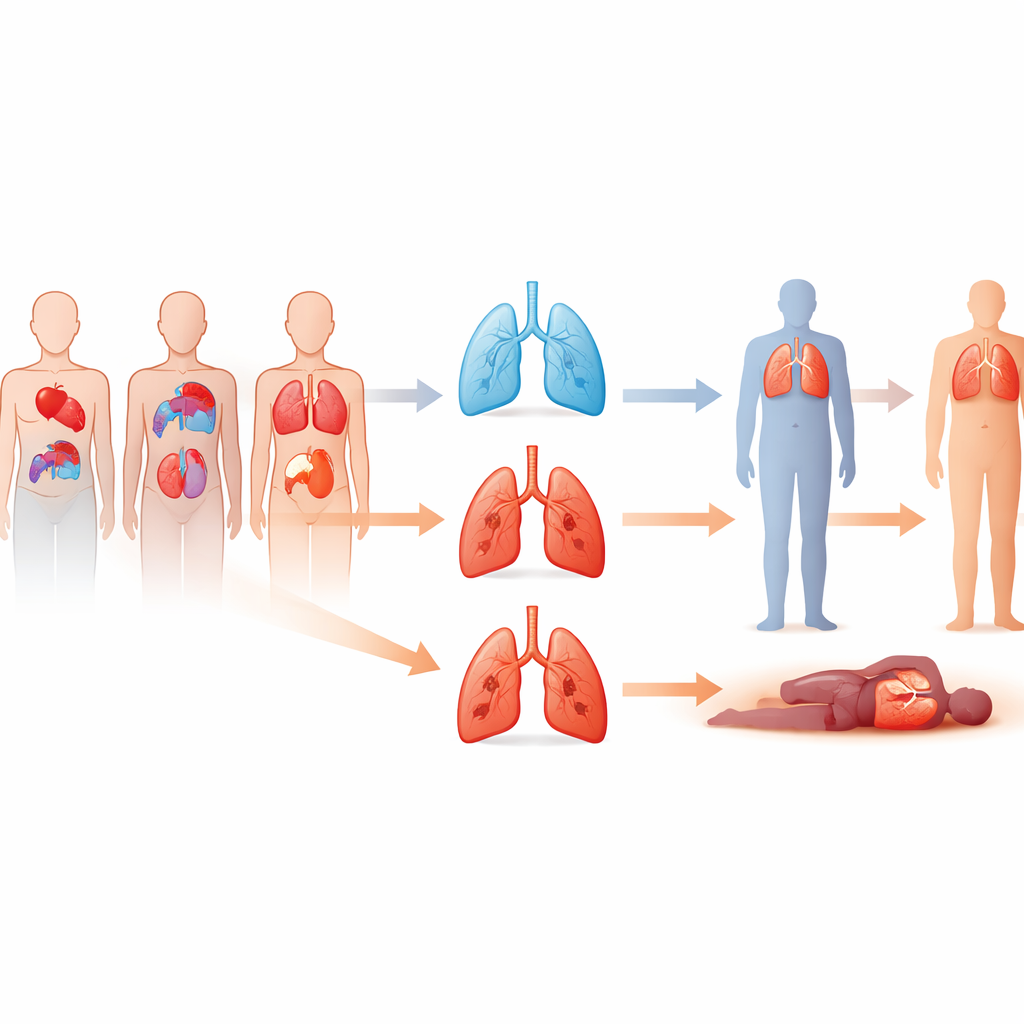
To capture the combined weight of multiple health problems, the researchers used a standard tool that assigns a score based on how many serious conditions a person has and how severe they are. Patients with higher scores—meaning more or more serious illnesses—were far more likely to have trouble completing TB treatment successfully. Even a modest increase in this score was linked to several‑fold higher odds of death, treatment failure, or stopping treatment early. This pattern suggests that it is not just one particular disease, like diabetes or HIV, that matters most; rather, it is the total load of illness the body is trying to manage while also fighting TB.
What the findings mean for care
For people and health systems alike, the message is clear: TB cannot be tackled in isolation from other common chronic illnesses. In this Ethiopian setting, patients who were older, male, living in rural areas, or carrying several other diagnoses faced a much steeper climb to recovery. The authors argue that TB programs should do more than dispense antibiotics. Clinics need to screen for and actively treat accompanying conditions such as high blood pressure, diabetes, and heart disease, and pay particular attention to at‑risk groups. By weaving TB care together with broader chronic disease management, especially in rural and low‑income communities, health workers may be able to prevent many avoidable deaths and turn more TB treatments into lasting cures.
Citation: Ararame, G.G., Senbeta, B.S., Liche, T.N. et al. Impact of comorbid diseases and associated factors on tuberculosis treatment outcomes among tuberculosis patients in South West Oromia, Ethiopia: a retrospective cohort study. Sci Rep 16, 14351 (2026). https://doi.org/10.1038/s41598-026-44604-3
Keywords: tuberculosis, comorbidities, treatment outcomes, Ethiopia, rural health