Clear Sky Science · en
Evaluation of the service quality and diagnostic performance of syphilis self-test kits purchased from E-commerce platforms in China
Why at-home testing for a hidden infection matters
Syphilis is an old disease that has made a quiet comeback worldwide, especially among people who already face stigma or privacy worries when seeking health care. For them, going to a clinic for regular testing can be uncomfortable, expensive, or simply out of reach. This study looks at a modern workaround: do-it-yourself syphilis test kits bought from major Chinese online shopping sites. The researchers asked a simple but crucial question—are these convenient kits good enough to trust, and is the service around them safe and user-friendly?
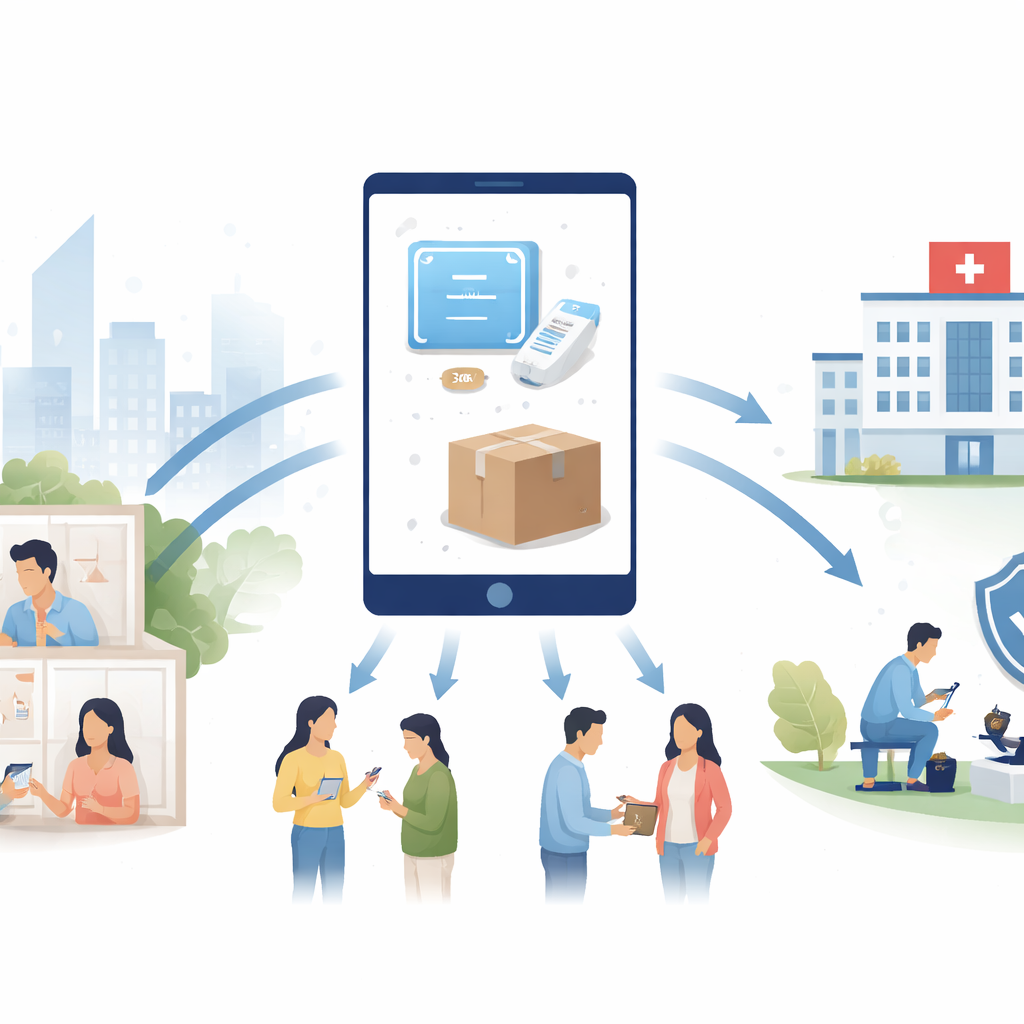
Buying a medical test like any other online product
The team focused on eight of the most popular syphilis self-test brands sold on JD.com, one of China’s largest e-commerce platforms. These kits are aimed at people who want to test themselves in private, such as men who have sex with men and female sex workers, who are at higher risk but often avoid clinics because of fear of judgment or past bad experiences. The kits are relatively inexpensive, usually costing less than a typical hospital-based test. They arrive quickly, often within two days, and most come in plain packaging designed to protect the buyer’s privacy. Inside are simple tools for taking a small drop of blood from a fingertip, plus the testing device itself.
Judging online test kits as services, not just products
Rather than only checking whether the tests “work,” the scientists also looked at the quality of the whole service around them. They adapted an international standard, originally used to judge health information websites, to create a 50-point scorecard. This covered brand reputation, price, delivery speed, privacy of packaging, official approval by China’s medical regulators, clarity of instructions, and whether buyers could get professional advice afterward. All eight brands fell into the “good” to “great” range, with scores mostly between the low 30s and mid-40s. The biggest gaps were missing step-by-step guidance on how to collect blood safely and how to understand tricky results—for example, what to do if the test is faintly positive or if a negative result comes soon after a risky encounter.
Do home kits match hospital tests in accuracy?
To see how well these online kits actually detect syphilis, the researchers compared them with nine commonly used hospital and clinic tests. They used stored blood samples from 319 people whose infection status had already been determined using a laboratory “gold standard” method. Each sample was run through all 17 rapid tests. Across the board, both online and facility-based kits did very well: most had sensitivity (correctly finding infections) above 95% and specificity (correctly ruling out people without infection) above 98%. In plain terms, if the online tests said someone had syphilis, they were almost always right; if they said someone did not, they were very likely right as well. Apart from one brand that underperformed slightly, the at-home kits and clinic tests were almost indistinguishable in reliability.

What users say and what still needs work
The team also combed through thousands of customer comments on JD.com. Positive reviews praised the easy-to-follow procedures, clear visual results, fast delivery, and discreet packaging. Negative reviews, though relatively few, highlighted areas for improvement. Some buyers found it hard to obtain enough blood, some reported missing or broken sampling tools, and a few distrusted the results when they differed from later hospital tests. Others complained about damaged packages or privacy not being fully protected. Based on these insights, the authors suggest that kit makers integrate all tools into one well-organized package, provide clearer written and video guidance on self-sampling, and work with medical providers to offer follow-up counseling and referrals for those who test positive.
What this means for everyday health choices
For ordinary people—especially those who hesitate to visit a clinic—this study offers reassuring news. Well-designed syphilis self-test kits bought from major online platforms in China appear to be not only convenient and reasonably priced, but also highly accurate, on par with tests used in medical facilities. They are not a complete replacement for professional care: anyone with a positive result still needs confirmatory testing and treatment, and negative tests soon after risky sex may need to be repeated later. But as a private, practical way to encourage more frequent screening among those most at risk, these kits could play an important role in controlling syphilis and protecting sexual health.
Citation: Du, F., Wang, H., Xi, Y. et al. Evaluation of the service quality and diagnostic performance of syphilis self-test kits purchased from E-commerce platforms in China. Sci Rep 16, 14523 (2026). https://doi.org/10.1038/s41598-026-44567-5
Keywords: syphilis self-testing, e-commerce health products, sexually transmitted infections, home diagnostic kits, China public health