Clear Sky Science · en
Unsaponifiable fraction of black Vitis vinifera seed oil attenuates liver cancer progression by targeting apoptosis and key tumor-associated genes: In vitro, in vivo, and in silico studies
Grapes, Natural Oils, and a New Angle on Liver Cancer
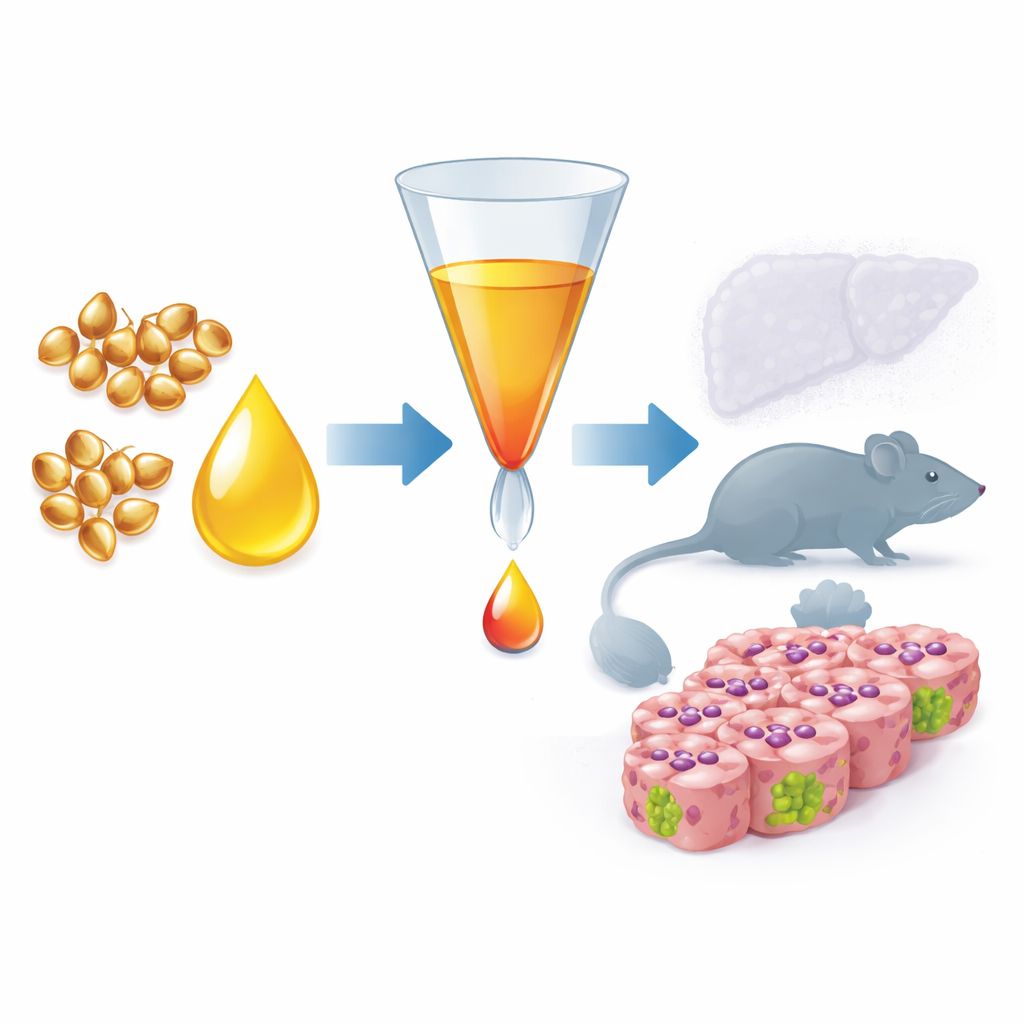
Many people enjoy grapes and grape products without realizing that their tiny seeds may hide powerful medicinal ingredients. This study explores whether a special, concentrated portion of black grape seed oil can slow the growth of liver cancer, one of the deadliest cancers worldwide. By testing this natural mixture in cancer cells, in mice, and with computer simulations, the researchers asked a simple question with big implications: can compounds from a familiar fruit help fight liver tumors while being gentler than standard chemotherapy?
Why Liver Cancer Needs Better Options
Liver cancer, especially a type called hepatocellular carcinoma, is common in many parts of the world and often linked to chronic viral infections, toxins, and long‑term liver damage. It is usually discovered late, when surgery is difficult and medicines work poorly. Standard drugs such as 5‑fluorouracil can slow tumor growth, but they often harm healthy tissues and trigger serious side effects. Because of this, scientists are increasingly turning to plants and foods for new anti‑cancer agents that might hit tumors hard while sparing normal cells.
What Makes This Grape Seed Fraction Special
Grape seed extracts have been studied before, but most work has focused on water‑loving compounds. Here, the team isolated the "unsaponifiable" fraction of black Vitis vinifera seed oil—oil‑soluble ingredients that remain after removing the bulk fats. This fraction is rich in phenolic molecules and plant sterols, including rutin and β‑sitosterol, which are known for antioxidant and anti‑inflammatory effects. Laboratory tests showed that this fraction had stronger overall antioxidant power than the crude oil and even outperformed vitamin C in several free‑radical scavenging assays. It also showed excellent safety toward normal human blood immune cells while being more toxic to liver cancer cells than the common drug 5‑fluorouracil, indicating a higher selectivity for tumors.
How the Grape Compounds Act on Cancer Cells
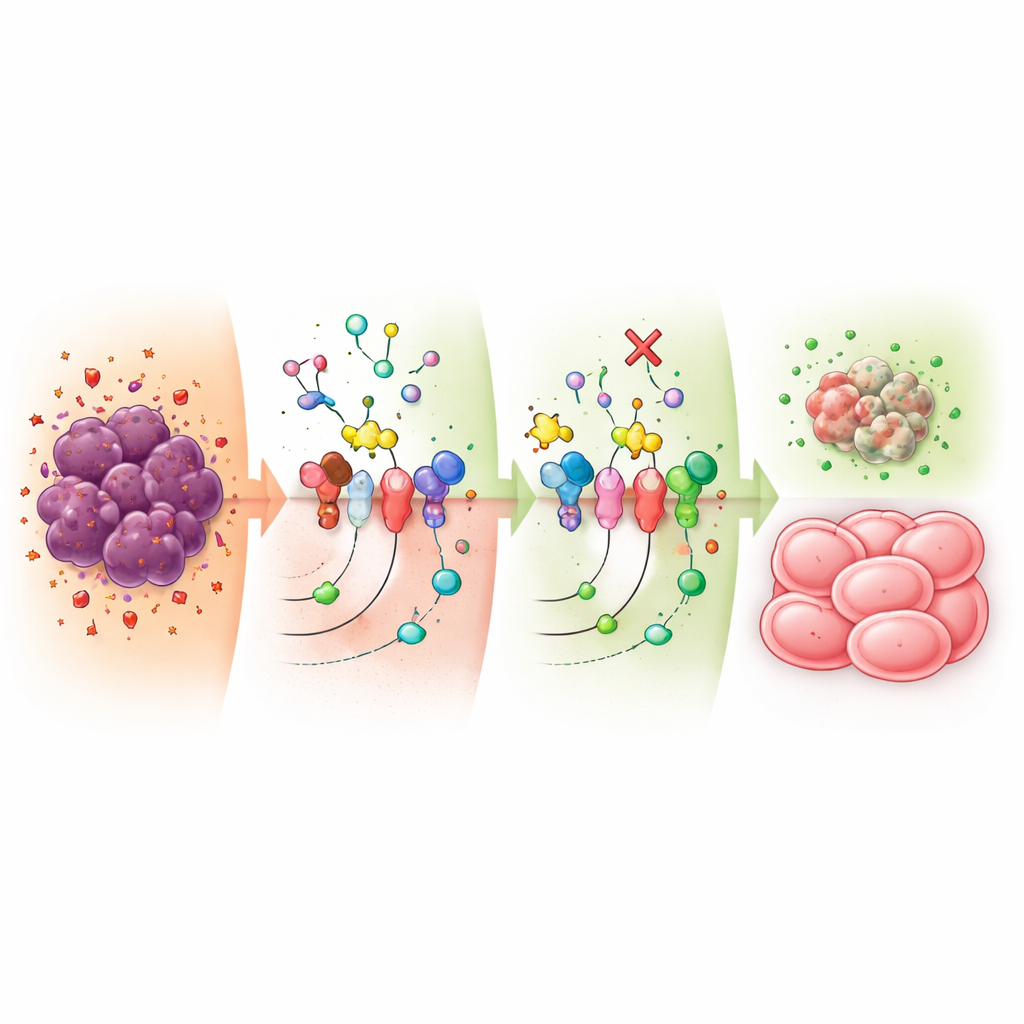
In human liver cancer cells, the unsaponifiable fraction did more than just slow growth; it actively pushed cells toward programmed self‑destruction. The researchers observed a strong rise in caspase 3/7 activity, enzymes that act as molecular executioners during cell death. At the same time, genes that normally protect the body by halting damaged cells—such as TP53, BAX, and RB1—were switched on, while genes that drive unchecked growth and survival, including KRAS, BCL2, and NF‑κB, were dialed down. A clustering map of gene activity highlighted that this grape‑derived fraction shifted the entire gene pattern toward a more death‑prone, less aggressive state than either the crude oil or 5‑fluorouracil.
From Computer Models to Living Mice
To understand the underlying machinery, the team used computer docking models to see how key molecules in the grape fraction might physically interact with proteins that fuel liver cancer. Several of these natural compounds were predicted to bind tightly to β‑catenin, EGFR, NOX2, and the smoothened receptor—proteins that promote tumor growth, oxidative stress, and the self‑renewing “stem‑like” cells thought to drive relapse. In a mouse model of chemically induced liver cancer, injecting the unsaponifiable fraction for only six days led to striking improvements: liver enzymes in the blood moved back toward normal, markers of oxidative damage in liver tissue dropped, natural antioxidants recovered, and microscopic examination showed that distorted, tumor‑laden liver tissue became more orderly and healthy. Gene activity in the mice shifted in the same direction seen in cell cultures, with cancer‑promoting, inflammatory, and stem‑cell‑related genes strongly reduced.
How This Work Could Matter for Future Treatments
To a non‑specialist, the bottom line is that a purified, oil‑based fraction from black grape seeds showed the ability to curb liver cancer growth in cells and mice, and did so more broadly and gently than a standard chemotherapy drug. It appeared to shield the liver from oxidative damage, restore healthier tissue structure, and re‑tune many genes and protein targets that control tumor growth and cancer stemness. While this is still early‑stage research—far from a ready‑to‑use medicine—it suggests that carefully characterized natural mixtures, not just single synthetic drugs, might become important allies in future liver cancer therapies.
Citation: Abu-Serie, M.M., El-Faham, A.A., Ahmad, G.M. et al. Unsaponifiable fraction of black Vitis vinifera seed oil attenuates liver cancer progression by targeting apoptosis and key tumor-associated genes: In vitro, in vivo, and in silico studies. Sci Rep 16, 12018 (2026). https://doi.org/10.1038/s41598-026-44404-9
Keywords: liver cancer, grape seed oil, natural antioxidants, cancer stem cells, plant sterols