Clear Sky Science · en
Disease burden and associated factors among caregivers of children with congenital heart disease at tertiary hospitals in Addis Ababa, Ethiopia
Why This Story Matters for Families
Caring for a seriously ill child can reshape every part of a family’s life—finances, sleep, work, and relationships. This study from Addis Ababa, Ethiopia, looks closely at the hidden weight carried by people who look after children born with heart defects. By listening to hundreds of caregivers, the researchers reveal how money, place of residence, and schooling can either add to or ease that weight. Their findings speak to any society asking how to better support families facing long-term childhood illness. 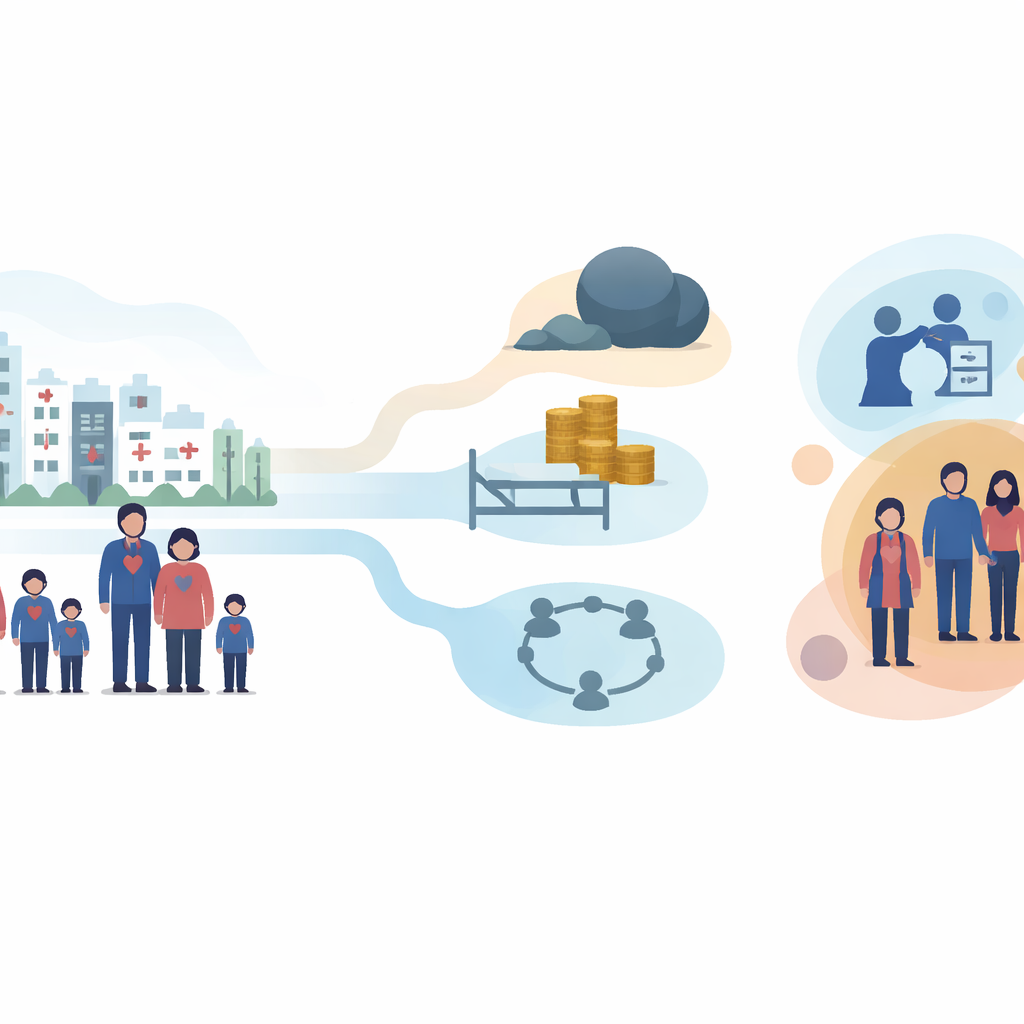
Life With a Child Who Has a Heart Problem
Congenital heart disease is a problem in the heart’s structure that is present from birth and often demands surgery, frequent hospital visits, and lifelong follow-up. In Ethiopia, as in many low- and middle-income countries, only a few specialized centers can provide this care, and they are largely concentrated in cities. Parents—most often mothers—must navigate crowded hospitals, long queues, and complex treatment decisions while still trying to maintain jobs and care for other children. The emotional toll is heavy: fear for the child’s future, guilt about not doing enough, and social isolation are common themes described in earlier work and explored in more depth here.
How the Researchers Measured Burden
The team carried out a cross-sectional survey at two major referral hospitals in Addis Ababa between late 2023 and early 2024. They interviewed 301 caregivers of children with congenital heart disease using a widely used questionnaire called the Zarit Burden Interview. This tool asks 22 questions about stress, finances, social life, emotions, and health, and assigns a score that ranges from “little or no burden” to “severe burden.” The researchers also collected basic background information, such as the caregiver’s age, income, schooling, and whether they lived in a city or rural area. Statistical analyses were then used to see which of these factors were linked to heavier levels of burden.
What Caregivers Reported in Daily Life
The picture that emerged was stark. About 85 percent of caregivers fell into the mild, moderate, or severe burden categories, and just over half had moderate-to-severe levels. Many felt they should be doing more for their child and worried constantly about the child’s future. Around four in five said money was a constant problem when trying to cover both treatment costs and everyday expenses. Nearly half reported disturbed sleep, and about one in three described frequent episodes of feeling tense, upset, or out of control. A smaller but notable share said that friendships and social life had suffered, and some found it hard to invite people into their homes because of their caregiving responsibilities.
Who Is Most at Risk of High Burden?
When the researchers examined which caregivers were most strained, clear patterns appeared. Those living in rural areas were much more likely to experience all levels of burden compared with caregivers in cities, likely because of long travel distances, fewer nearby services, and weaker support networks. Lower household income was strongly tied to heavier burden, as families with limited resources struggled to pay for transport, medications, and lost work time. Caregivers with little or no formal schooling were also at higher risk, while those with college-level education were far less likely to report moderate or severe burden—perhaps because they could better understand medical information, find services, and solve problems. Interestingly, caregivers over 30 years old tended to have somewhat milder burden than younger caregivers, suggesting that life experience may provide additional coping skills. 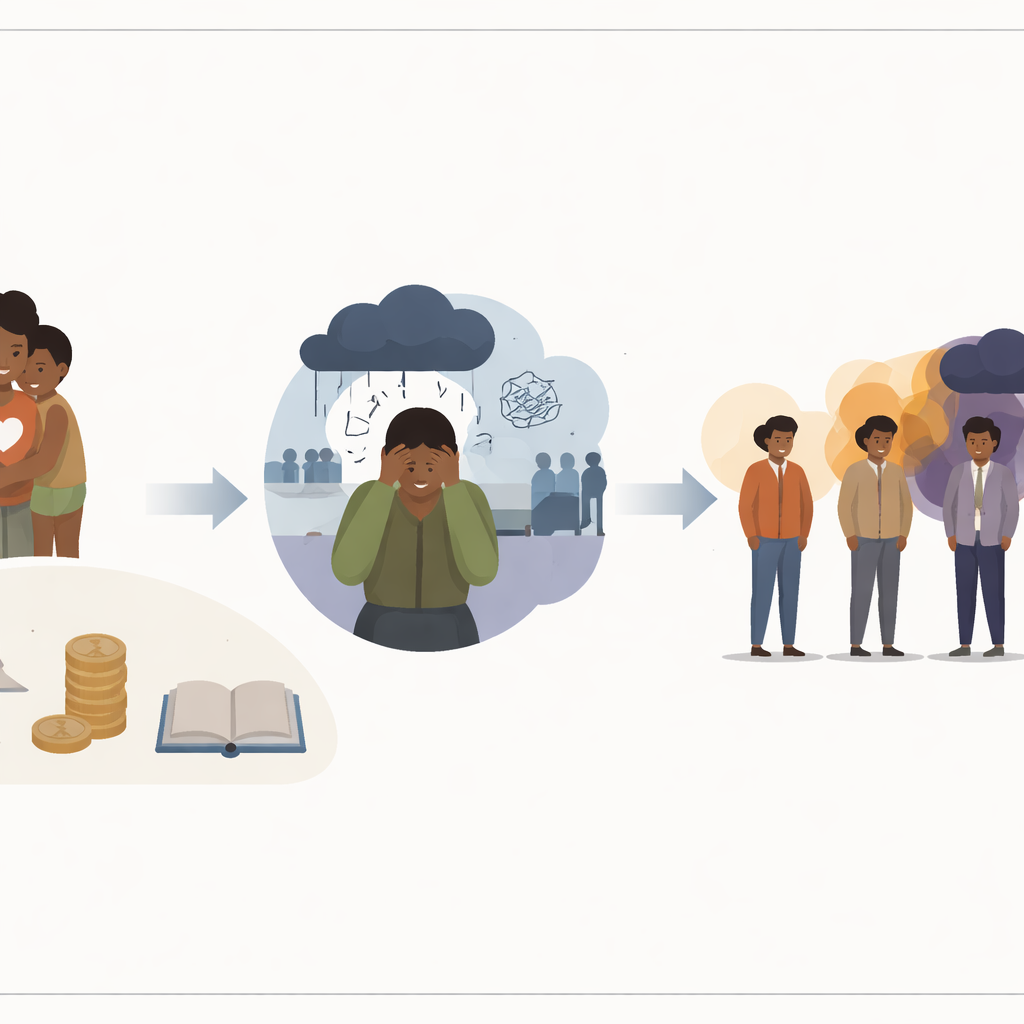
What These Findings Mean for Families and Policy
To a lay reader, the study’s message is clear: the strain on parents and relatives caring for children with heart defects is not a private issue but a public one. Most caregivers in this setting are stretched by money problems, emotional upheaval, and lost sleep, and those who are poorer, less educated, or living far from city hospitals fare worst. The authors argue that health systems should not focus only on the child’s heart, but also on the caregiver’s well-being. They recommend early screening to spot highly stressed caregivers, practical help with transport and finances, counseling and stress-management programs, better links between rural clinics and city hospitals, and education that helps families share responsibilities. Such steps, they suggest, could lighten the load on caregivers, improve family stability, and ultimately support better outcomes for children living with congenital heart disease.
Citation: Awoke, G., Tilahun, M., Tsega, T. et al. Disease burden and associated factors among caregivers of children with congenital heart disease at tertiary hospitals in Addis Ababa, Ethiopia. Sci Rep 16, 14259 (2026). https://doi.org/10.1038/s41598-026-44249-2
Keywords: caregiver burden, congenital heart disease, family caregiving, Ethiopia, pediatric chronic illness