Clear Sky Science · en
Resveratrol inhibits pancreatic cancer progression via the ING5 signaling pathway
Why a red-wine molecule matters for a deadly cancer
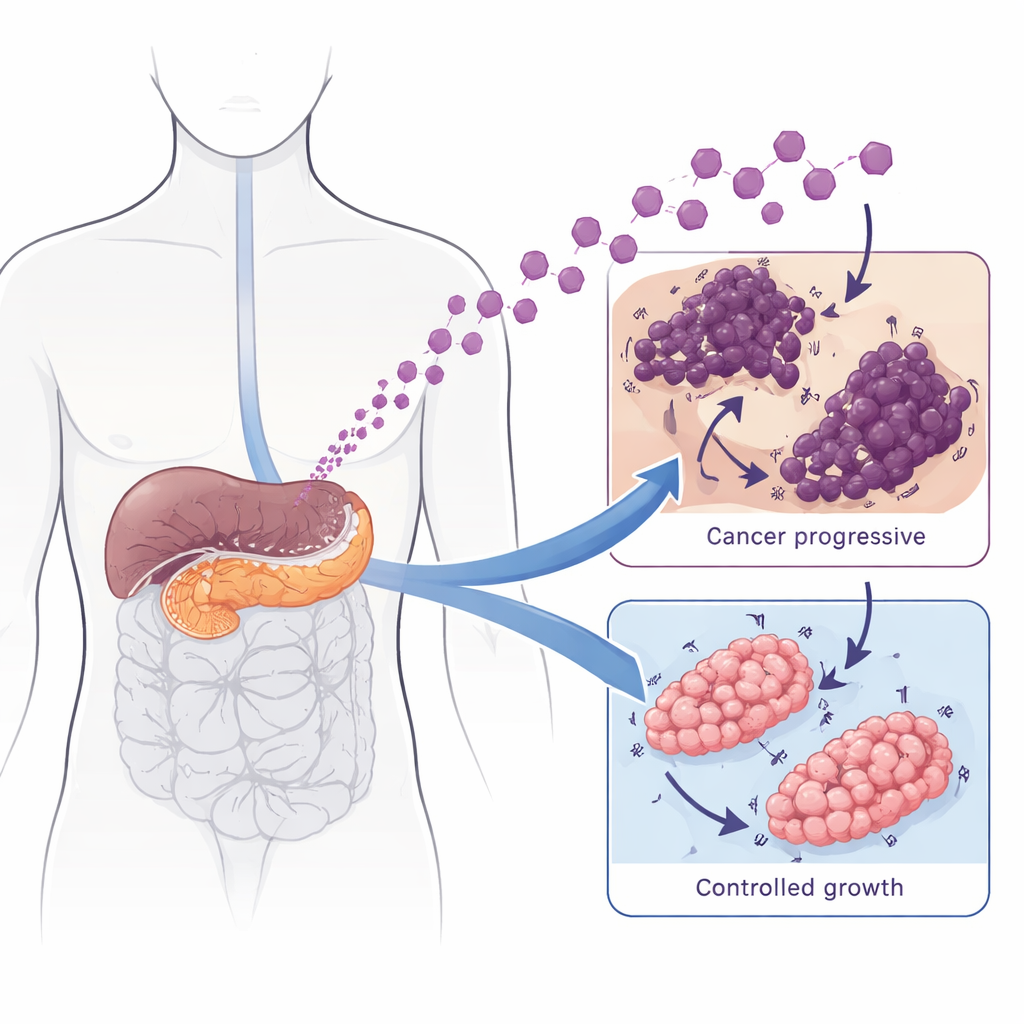
Pancreatic cancer is one of the most lethal cancers, often discovered late and resistant to current treatments. This study explores whether resveratrol—a natural compound found in grapes, berries, and peanuts—can slow the behavior of pancreatic cancer cells in the lab. The researchers focus on how resveratrol affects a built-in cellular brake called ING5 and ask whether turning up this brake could help keep cancer cells from growing and spreading.
A fast-moving cancer that needs better brakes
Pancreatic ductal adenocarcinoma, the main form of pancreatic cancer, has a five‑year survival rate of around 10%. One major reason is its tendency to spread early, before symptoms appear. Cancer cells grow uncontrollably, move away from their original site, and invade other tissues. A key step in this process is a shape‑shifting program called epithelial–mesenchymal transition (EMT), in which cells loosen their tight connections and become more mobile. Proteins such as E‑cadherin act like cellular glue, while others like N‑cadherin are linked to a more wandering, invasive state. Understanding how to push cells back toward the “glued,” less mobile condition is central to slowing the disease.
A natural compound put to the test
Resveratrol has long attracted attention for potential health benefits, including anti‑cancer effects. In this work, the authors treated two human pancreatic cancer cell lines, PANC1 and SW1990, with different doses of resveratrol. They measured how many cells survived over time, how well they formed colonies, and how easily they migrated across a scratch in a cell layer or moved through a barrier that mimics body tissues. Across these tests, resveratrol consistently reduced cell growth and their ability to move and invade. The longer the treatment and the higher the dose (within the tested range), the stronger the slowdown in proliferation.
Introducing ING5, a built‑in growth inhibitor
The study then turns to ING5, a protein from a family known to act as natural growth suppressors in various cancers. The researchers first reduced ING5 levels in pancreatic cancer cells using small interfering RNA, a method that selectively silences a gene. When ING5 was knocked down, the cells grew faster, formed more colonies, and moved and invaded more readily. These changes were accompanied by signs of EMT: the cells showed patterns typical of a more mobile, aggressive state. This confirmed that ING5 normally acts as a brake on malignant behavior in pancreatic cancer cells.
How resveratrol works through the ING5 pathway
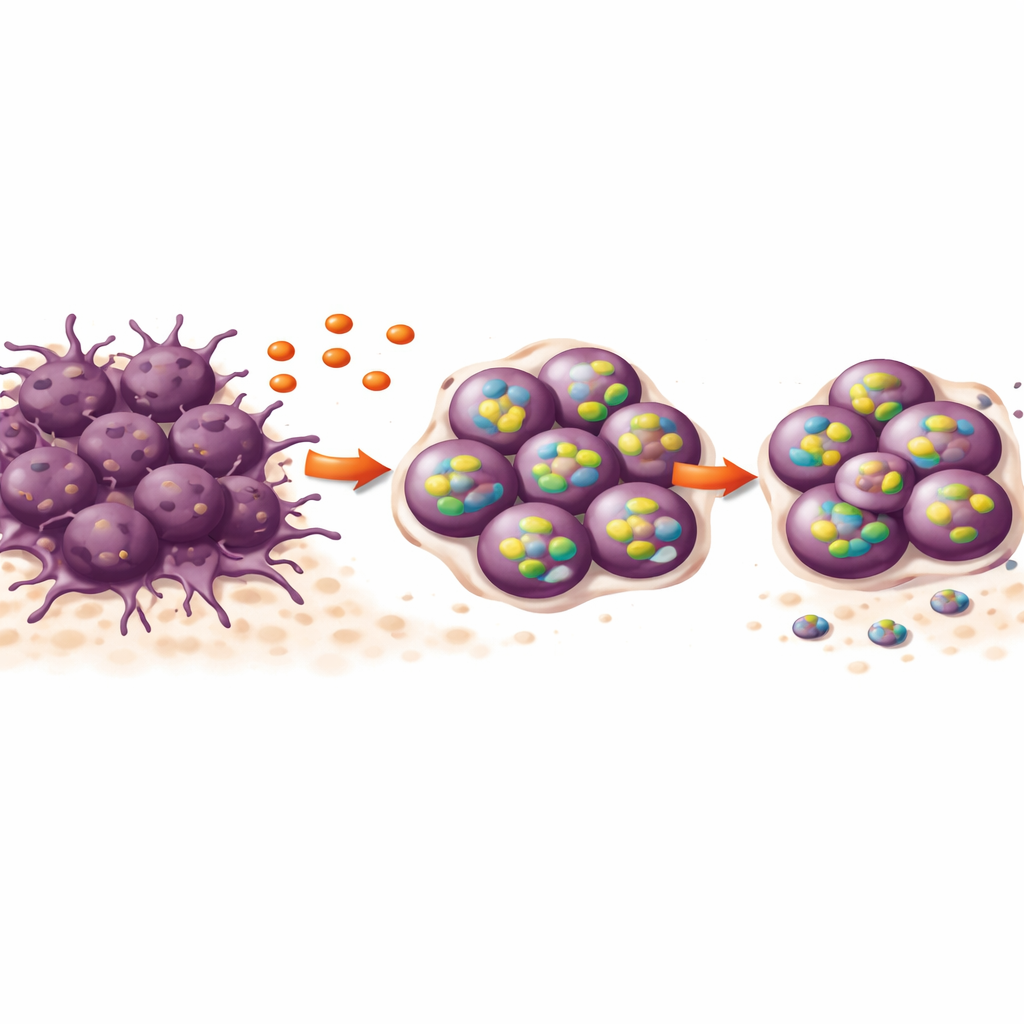
Next, the team asked whether resveratrol’s benefits depend on this cellular brake. They found that treating cells with resveratrol increased ING5 levels and shifted EMT markers toward a more stable, less invasive state: E‑cadherin went up, while N‑cadherin went down. However, when ING5 was silenced in cells that were also receiving resveratrol, much of resveratrol’s protective effect was lost. Cell growth picked up again, and the EMT‑related changes were partly reversed. This indicates that ING5 is a key middleman connecting resveratrol exposure to slower growth and reduced spread of pancreatic cancer cells, though other pathways may still be involved.
What this means for future treatments
To a lay reader, the core message is that resveratrol helps pancreatic cancer cells hit the brakes, at least in a controlled lab setting, and ING5 is a major part of that braking system. By boosting ING5, resveratrol makes cancer cells less able to multiply, move, and invade—features that make pancreatic cancer so deadly. While these findings do not yet mean that drinking red wine will treat cancer—doses, delivery, and safety must be carefully studied in animals and humans—they highlight the “resveratrol–ING5 axis” as a promising target. Future therapies might use resveratrol‑like compounds or drugs designed to strengthen this internal brake, aiming to slow pancreatic cancer progression and improve outcomes.
Citation: Wang, G., Yuan, Y., Tang, Y. et al. Resveratrol inhibits pancreatic cancer progression via the ING5 signaling pathway. Sci Rep 16, 13473 (2026). https://doi.org/10.1038/s41598-026-44216-x
Keywords: pancreatic cancer, resveratrol, tumor suppressor ING5, cell invasion and migration, epithelial–mesenchymal transition