Clear Sky Science · en
Systematic modeling of porphyrin-based photosensitizers for inhibiting Mycobacterium tuberculosis β-Carbonic Anhydrases
New ideas for fighting a stubborn lung infection
Tuberculosis remains one of the world’s deadliest infectious diseases, and drug resistance is making it harder to treat. This study explores how specially designed light-activated dye molecules, called porphyrin photosensitizers, might help shut down a vital system inside the tuberculosis bacterium and point the way toward future therapies.
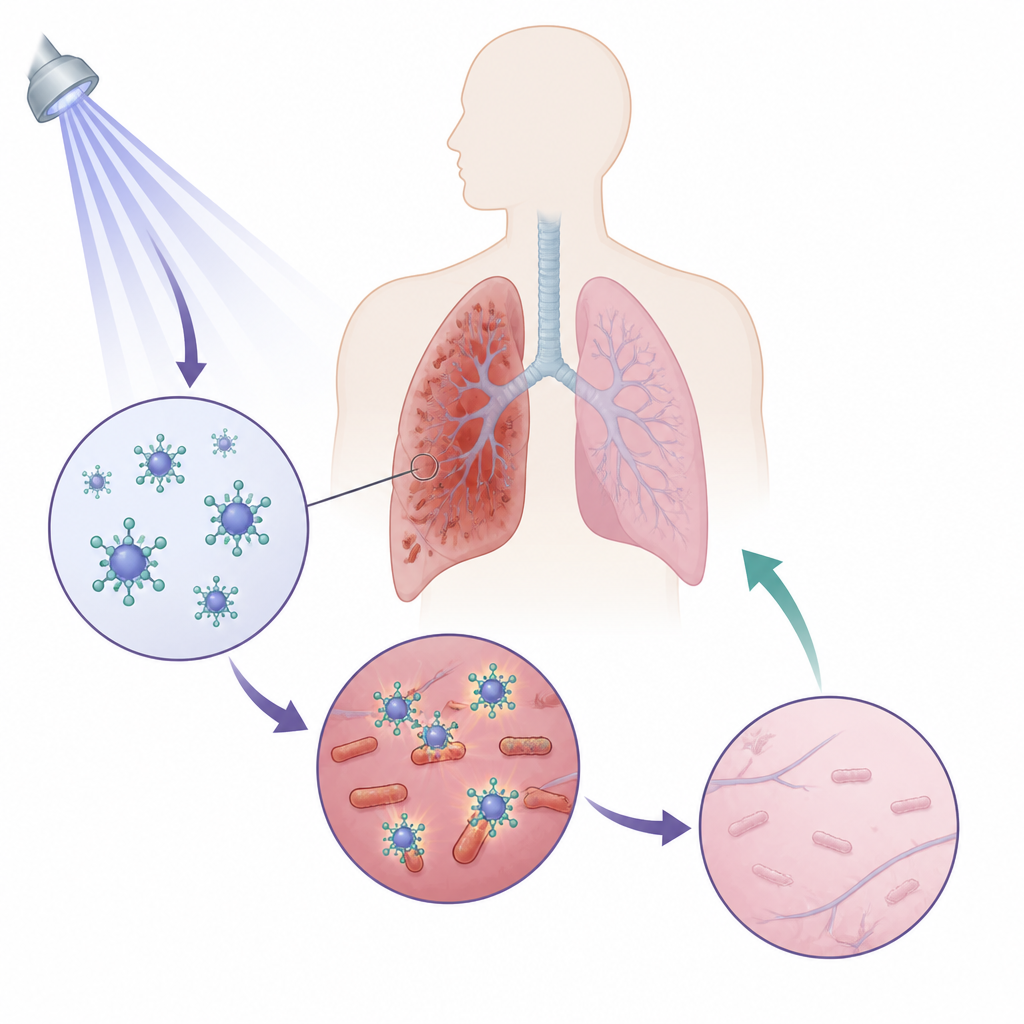
Why tuberculosis needs better treatments
Tuberculosis is caused by the bacterium Mycobacterium tuberculosis, which mainly attacks the lungs but can spread throughout the body. Millions fall ill every year, and many strains no longer respond well to standard antibiotic combinations. The bacterium survives inside human immune cells and endures harsh, acidic conditions. To cope, it uses a set of zinc-dependent enzymes known as β-carbonic anhydrases that help control internal acidity and manage carbon dioxide. Because these enzymes support the microbe’s ability to persist in the body, they are viewed as promising weak spots that new treatments could exploit, especially in drug-resistant cases.
Light-sensitive dyes with a double action
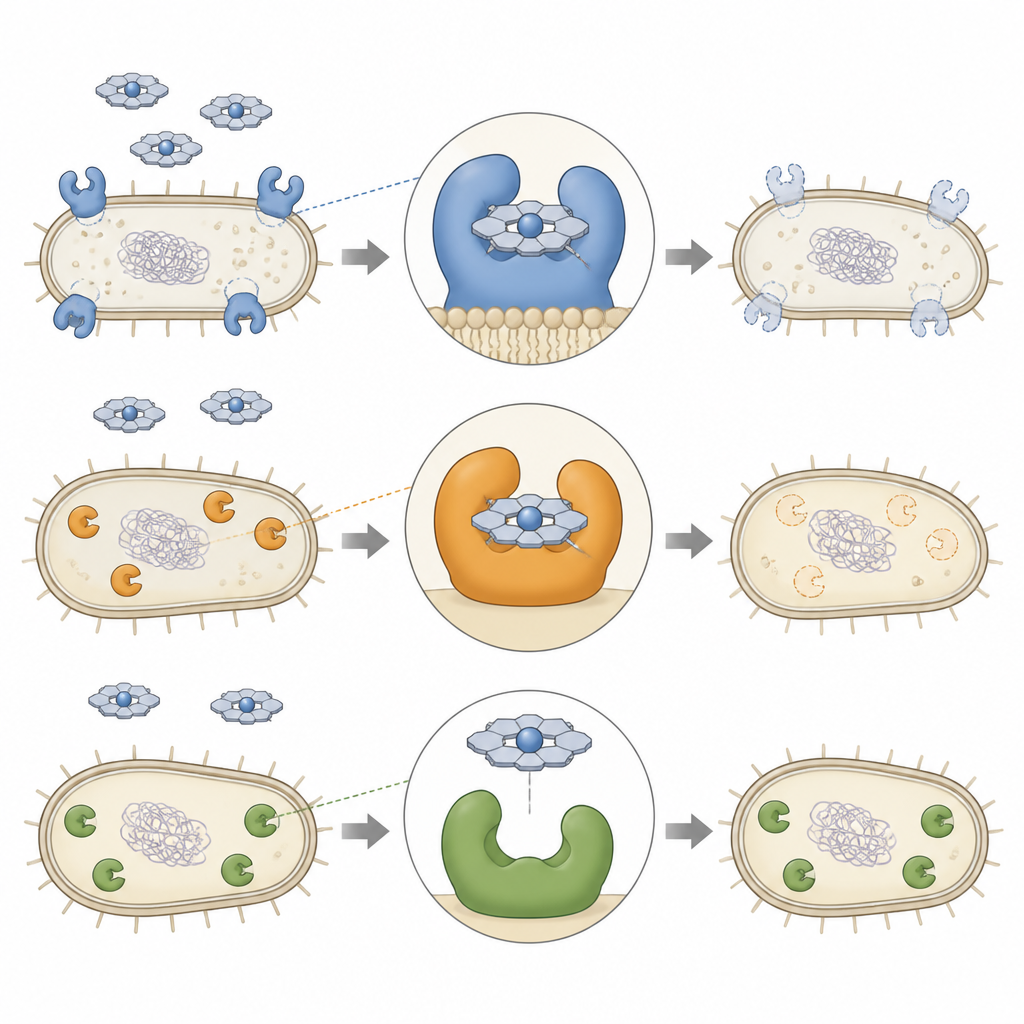
The researchers focused on two zinc-containing porphyrin compounds, AMA01127 and AMA02194, originally developed to treat cancer using photodynamic therapy, where light activates a drug to produce toxic reactive oxygen species. Here, the team asked a different question: could these molecules also latch onto the tuberculosis β-carbonic anhydrases and slow them down, even before bringing light into play? Laboratory enzyme tests showed that one compound, AMA02194, was especially good at inhibiting two of the three mycobacterial enzyme types, with activity stronger than the standard reference drug acetazolamide under the same conditions. The other compound, AMA01127, was much weaker, and both had little effect on the third enzyme type, suggesting a degree of selectivity.
Zooming in on how the molecules fit
To understand why AMA02194 worked better, the team used computer docking simulations to see how each compound might nestle into the enzyme pockets that hold the zinc ion. These models revealed that AMA02194 could sit close to the zinc center and form a network of hydrophobic and polar contacts with key amino acids, helping to stabilize its position. AMA01127 sometimes showed strong predicted binding, but those predictions did not fully match the real-world enzyme tests, underscoring that static computer models cannot capture all the moving parts of a living system. Still, the docking scenes provided a structural picture of how changes to the side chains attached to the porphyrin core can tune how well these molecules grip different enzyme variants.
Looking at the bigger biological picture
Beyond single enzymes, the researchers built large interaction maps to see how the chemical features of the porphyrin core and its two side chains connected to genes and pathways linked with tuberculosis. Using public databases and network tools, they found that predicted targets for these compounds were enriched in processes such as zinc ion binding, protein breakdown, lipid metabolism, oxidative stress handling, and immune signaling. They also examined which of these genes are active in human lung tissue, using bulk and single-cell gene expression data. Genes involved in protein recycling, redox balance, DNA maintenance, and immune function were found in specific lung cell types, such as alveolar macrophages and epithelial cells, offering context for how host pathways intersect with bacterial infection, without yet proving that the compounds act on these genes in patients.
What this work means for future TB research
Overall, the study shows that AMA02194 can selectively inhibit two tuberculosis β-carbonic anhydrase enzymes at very low concentrations and that its molecular design appears better suited to these targets than its companion compound. While the work is still at the test-tube and computer-model stage, it outlines how light-sensitive porphyrin molecules might be refined to interfere with a crucial bacterial survival system, and how network analysis can highlight related host and pathogen pathways. In simple terms, the researchers have identified a promising chemical starting point and a roadmap for exploring how similar compounds could, in the future, become part of new strategies against difficult-to-treat tuberculosis.
Citation: Manaithiya, A., Bhowmik, R., Ray, R. et al. Systematic modeling of porphyrin-based photosensitizers for inhibiting Mycobacterium tuberculosis β-Carbonic Anhydrases. Sci Rep 16, 14979 (2026). https://doi.org/10.1038/s41598-026-44208-x
Keywords: tuberculosis, carbonic anhydrase, porphyrin photosensitizer, photodynamic therapy, drug resistant TB