Clear Sky Science · en
AMP-36 exhibits potent therapeutic efficacy against MRSA pneumonia through membrane-target mechanism
Why hospital lung infections matter
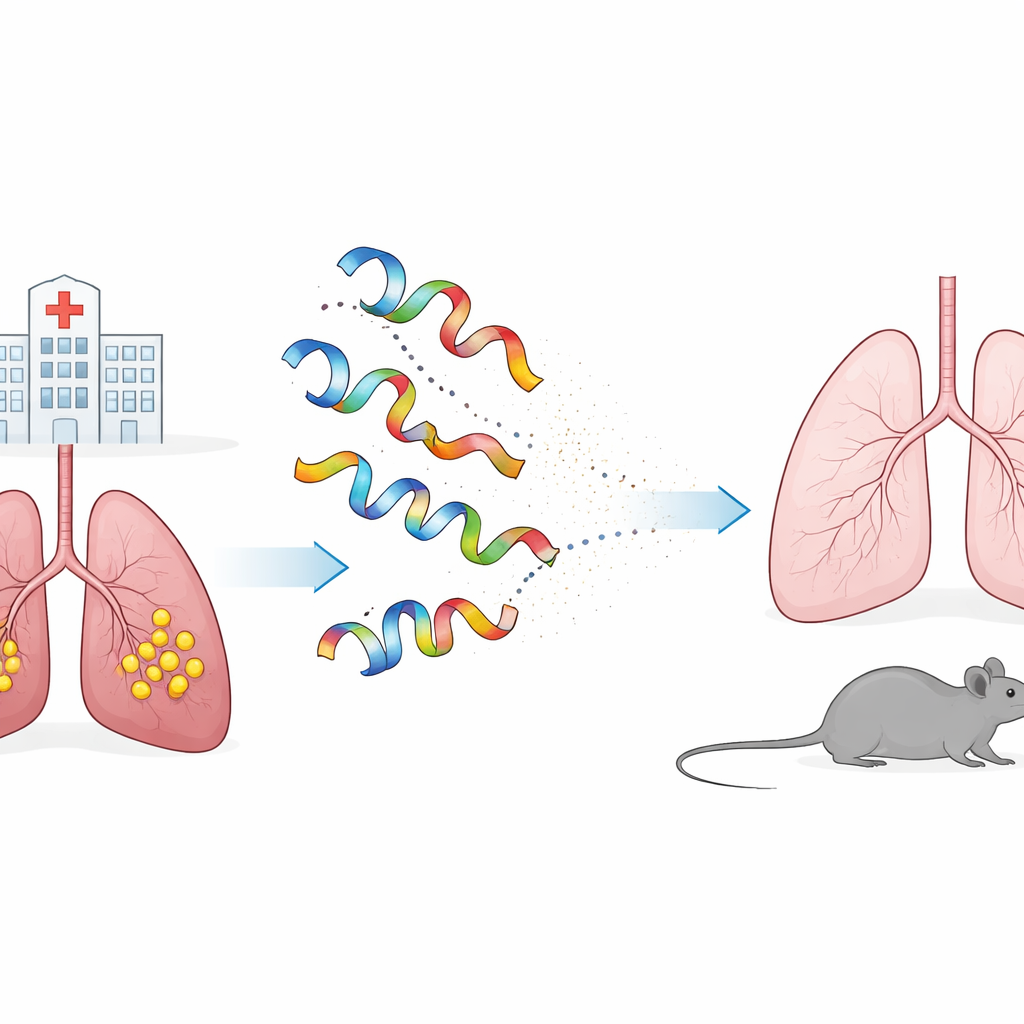
Stubborn lung infections picked up in hospitals are a growing danger, especially for people already weakened by illness or cancer treatment. One of the worst offenders is a germ called MRSA, which often shrugs off standard antibiotics. This study describes a lab‑made mini‑protein, called AMP‑36, that can kill MRSA quickly and ease severe pneumonia in mice, hinting at a new way to treat hard‑to‑control infections when today’s drugs no longer work.
A new germ‑killing mini‑protein
Antimicrobial peptides are short chains of amino acids that many organisms use as natural germ fighters. The researchers started from a known peptide, SAAP‑148, and redesigned it into a longer version called AMP‑36. Computer tools predicted that AMP‑36 would form a more rigid, stick‑like spiral shape with extra positive charges and a slightly more water‑repelling surface. These tweaks were expected to help it cling to the negatively charged outer surface of bacteria, push more deeply into their outer shell and remain stable long enough to do damage.
Broad and fast attack on dangerous bacteria
To see how well the new peptide worked, the team tested it against a panel of troublesome hospital germs, including several MRSA strains and other multidrug‑resistant bacteria. AMP‑36 stopped bacterial growth at low concentrations and generally outperformed its parent molecule. In tests that tracked live bacteria over time, AMP‑36 rapidly reduced MRSA numbers, wiping out almost all cells within hours at doses only slightly above the minimum needed to halt growth. This rapid, broad action is valuable in acute infections, where every hour of uncontrolled bacterial growth can worsen organ damage.
Rescuing infected lungs in mice
The real test was whether AMP‑36 could help living animals fight a serious lung infection. Mice were given MRSA directly into their windpipe to trigger acute pneumonia and then treated several times with different doses of AMP‑36. Compared with untreated infected mice, those receiving the peptide were more active, ate and drank better, and showed visibly healthier lungs. Their lungs held less fluid, carried far fewer bacteria, and contained lower levels of key inflammatory molecules in the airway washings and lung tissue. Under the microscope, lung sections from treated animals had less swelling, bleeding and immune‑cell crowding, indicating that both infection and collateral inflammation were kept in check.
How the peptide breaks the germs
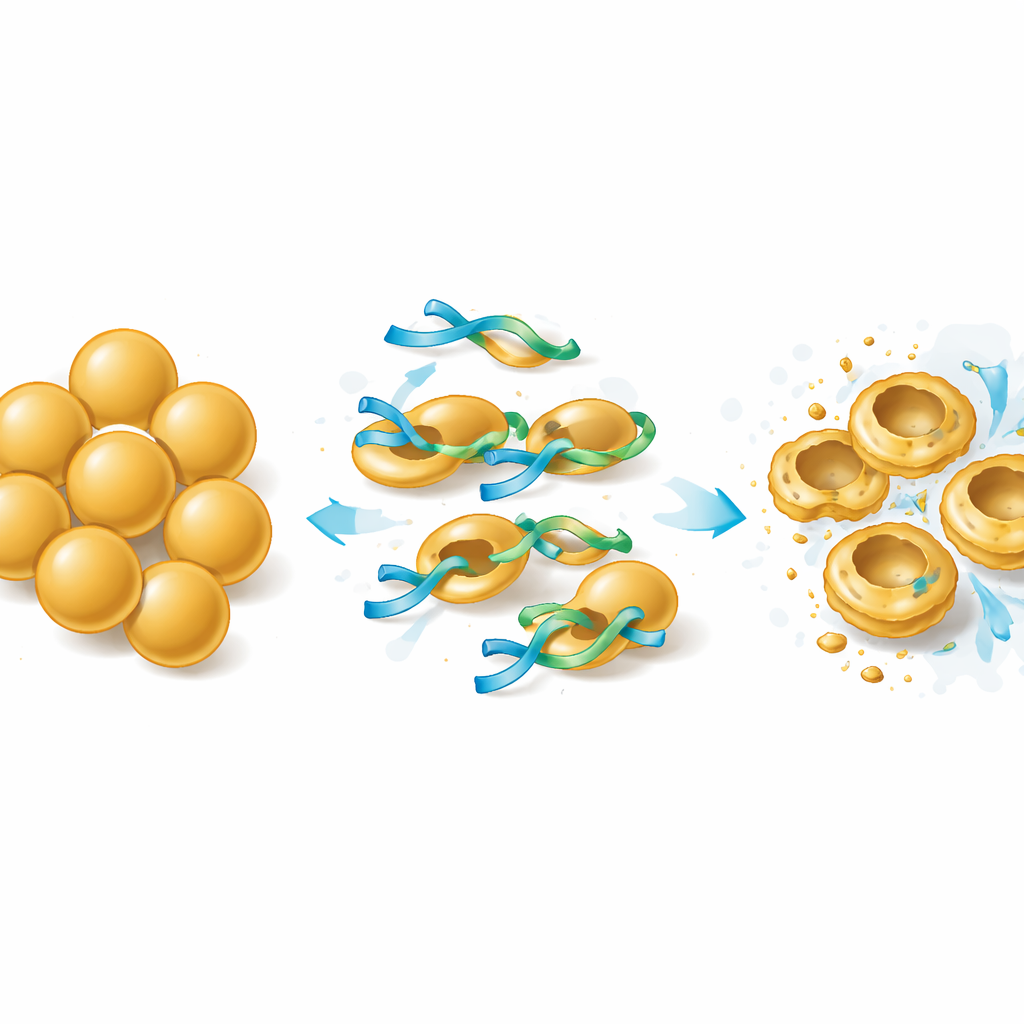
The researchers next asked how AMP‑36 actually kills MRSA. High‑magnification imaging showed that untreated bacteria looked like smooth, round balls, whereas AMP‑36‑exposed cells became shrunken, misshapen and riddled with holes, with their contents leaking out. This points to direct damage to the bacterial membrane as the main strike. To look inside the cell’s response, the team sequenced bacterial RNA after short peptide exposure. Hundreds of genes changed their activity, including those involved in energy production, building DNA building blocks, and exporting toxins that harm host tissues. Many key virulence‑related genes were dialed down, while some stress‑response genes were turned up, consistent with a cell in crisis after its outer barrier has been compromised.
Safety signs and future promise
Any potential medicine must be as gentle on the patient as it is harsh on microbes. In tests with human red blood cells, AMP‑36 caused minimal rupture at doses similar to or higher than those needed to stop MRSA. Mice treated with the peptide showed no obvious damage in the liver, spleen or kidneys on tissue examination. Taken together, the findings suggest that AMP‑36 can latch onto and tear open MRSA cells, calm lung inflammation and do so without clear short‑term harm to host tissues. While more work is needed to probe long‑term safety, compare it with current drugs and fully map its effects inside bacteria, this study offers a blueprint for designing next‑generation germ‑killing peptides to tackle hospital lung infections that no longer respond to standard antibiotics.
Citation: Han, Y., Wang, Y., Cheng, L. et al. AMP-36 exhibits potent therapeutic efficacy against MRSA pneumonia through membrane-target mechanism. Sci Rep 16, 13799 (2026). https://doi.org/10.1038/s41598-026-44156-6
Keywords: MRSA pneumonia, antimicrobial peptides, drug resistant bacteria, lung infection, bacterial membranes