Clear Sky Science · en
Advanced age increases cancer-specific mortality in bone-only metastatic prostate cancer: a SEER analysis
Why this study matters for patients and families
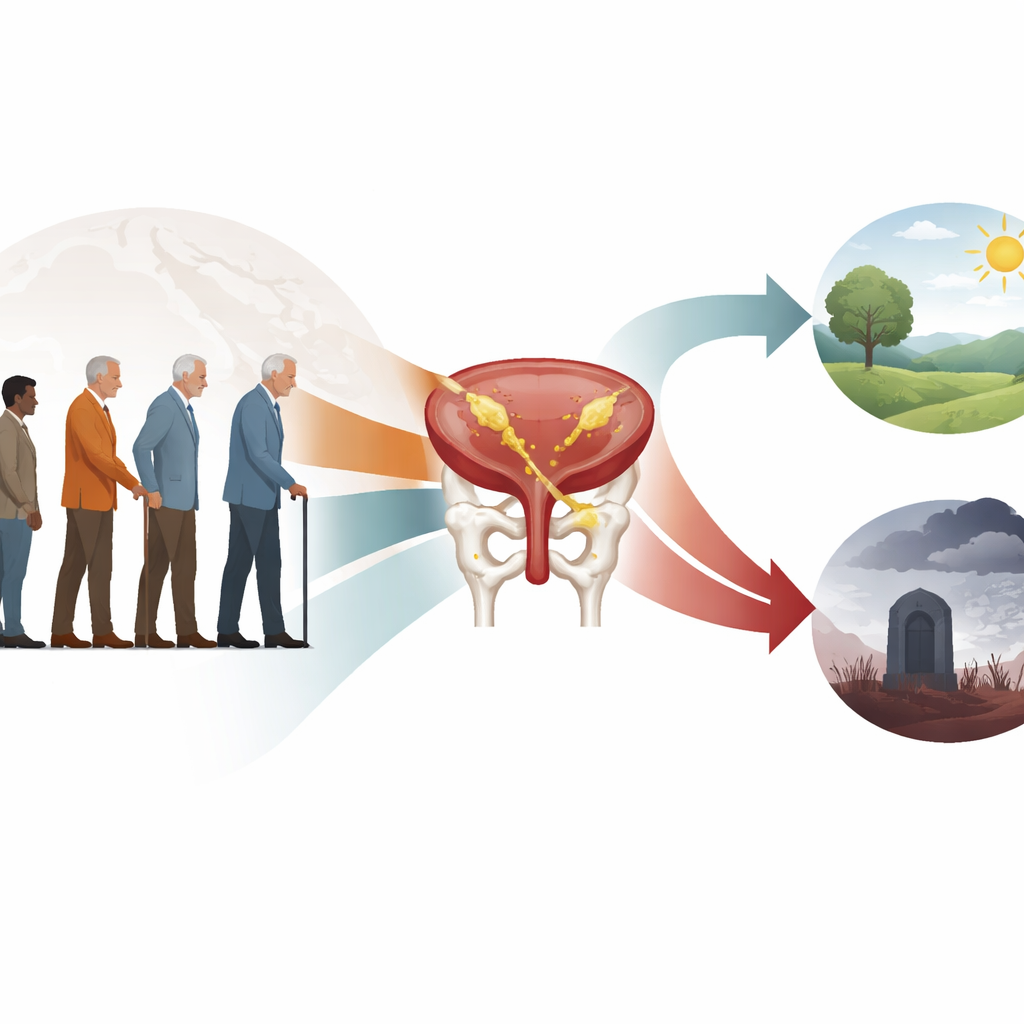
As men live longer, more are facing prostate cancer that has already spread to the bones at the time of diagnosis. Families and doctors often ask a simple but crucial question: does being older, by itself, make death from this cancer more likely, even when the disease is limited to the bones? This study uses a large U.S. cancer registry to answer that question and to explore how tumor aggressiveness, treatments, and social factors like marriage and race shape outcomes for these men.
Who was studied and what the researchers looked at
The research team examined records from over 11,000 men in the United States whose prostate cancer had spread only to their bones when they were first diagnosed. The data came from the SEER program, a long‑running government effort that tracks cancer statistics for about a quarter of the U.S. population. To focus on a cleaner picture, men with cancer spread to organs like the liver or lungs were excluded. The investigators grouped patients by age—from under 50 to 80 and older—and then compared how often men in each age band died specifically from prostate cancer, while also accounting for deaths from other causes such as heart disease.
How age and tumor features shaped the risk of death
The results showed a steady climb in deaths from prostate cancer as age increased, even after considering other health risks. Within five years of diagnosis, about half of the men younger than 50 had died from their cancer, compared with nearly two‑thirds of those aged 80 or more. Older age remained a strong predictor of cancer‑related death even when the researchers adjusted for how advanced the tumor was, levels of prostate‑specific antigen (the familiar PSA blood test), and microscopic grading of the cancer cells. High PSA values and the most aggressive cell patterns were powerful warning signs in all men, but they were especially ominous among those aged 70 and above.
The roles of treatment and social background
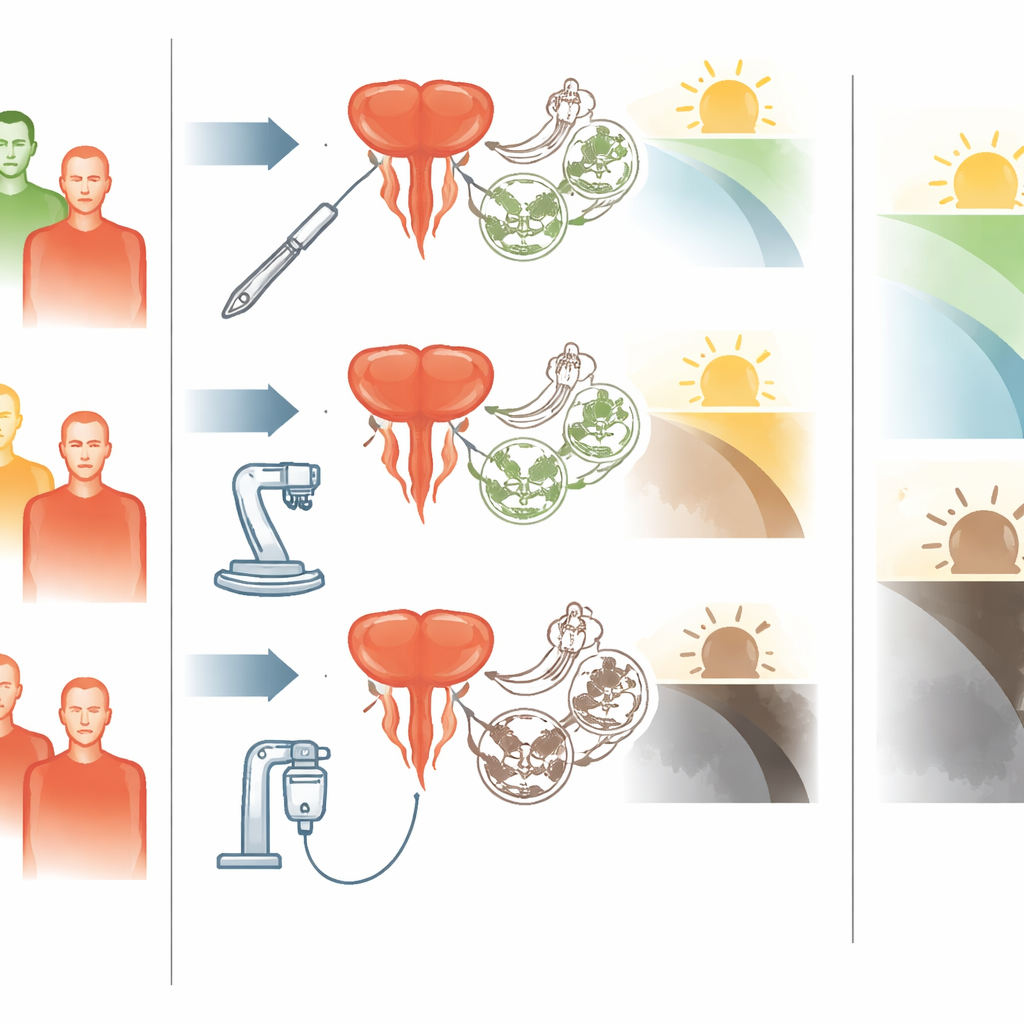
The study also found that medical care and social factors mattered. Men who underwent surgical removal of the prostate (radical prostatectomy) had lower rates of death from prostate cancer, and among these operated patients, the survival gap between younger and older men largely disappeared. In contrast, men who received radiation or chemotherapy tended to have higher cancer‑specific death rates. The authors argue this likely reflects that these treatments were often reserved for those with more severe or painful disease, not that the therapies are harmful. Social background left its mark as well: men who were not married and men of certain racial and ethnic groups, particularly non‑Hispanic Black men, faced worse outcomes, while some Asian and Pacific Islander groups appeared to fare better, even after accounting for medical factors.
Why older men may fare worse
The authors suggest several reasons why age itself might worsen outcomes in bone‑only metastatic prostate cancer. Older men are less likely to be offered—or to receive—intensive treatments because of concerns about frailty and other illnesses, even when they could potentially benefit. At the same time, aging bodies may host cancers that grow and spread differently, and aging immune systems may be less able to hold tumors in check. Structural issues in healthcare, such as unequal access to specialists, clinical trials, or advanced drugs, can further widen the survival gap for disadvantaged groups, particularly among the elderly.
What this means for decisions and next steps
In plain terms, this study shows that for men whose prostate cancer has spread only to bone, being older is linked to a higher chance of dying from the cancer itself, not just from other age‑related illnesses. Markers of heavy and aggressive disease—very high PSA levels and high‑grade tumor patterns—are especially dangerous in older men. At the same time, carefully selected seniors who receive surgery or other active treatments may narrow the survival gap. The findings argue against automatically assuming that age alone should rule out stronger treatment and highlight the need to assess each older patient’s overall health, tumor burden, and support system. For patients and families, the message is that asking detailed questions about options—and advocating for a thorough, individualized plan—can be particularly important when cancer is confined to the bones but age is advanced.
Citation: Ozsoy, C., Kaplan, E., Tipirdamaz, M. et al. Advanced age increases cancer-specific mortality in bone-only metastatic prostate cancer: a SEER analysis. Sci Rep 16, 13511 (2026). https://doi.org/10.1038/s41598-026-44139-7
Keywords: prostate cancer, bone metastases, aging, cancer survival, PSA levels