Clear Sky Science · en
Liposomal encapsulation of L-arginine and L-citrulline enhances pharmacokinetics and therapeutic effects in a model of preeclampsia and fetal growth restriction
Why this research matters for mothers and babies
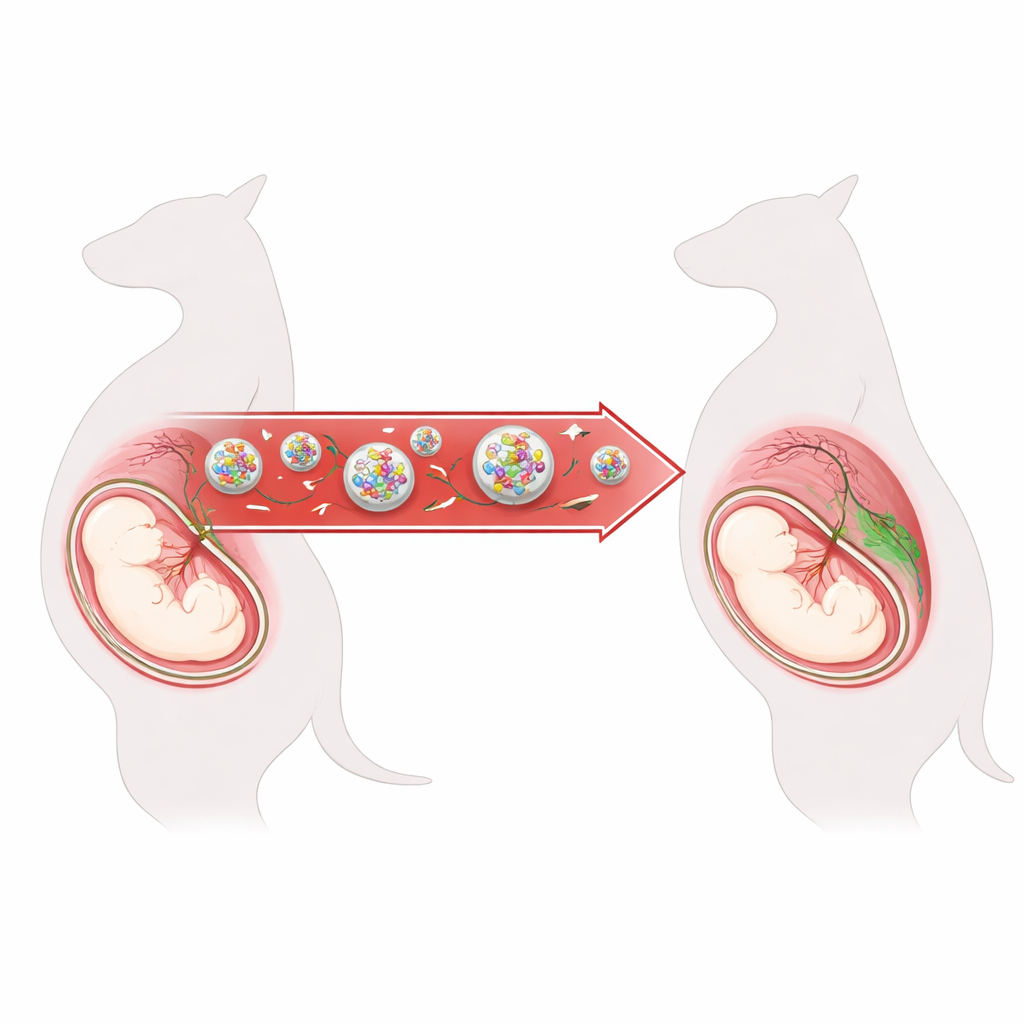
Preeclampsia and fetal growth restriction are pregnancy complications that can endanger both mother and child and often force doctors to deliver the baby too early. Current treatments mainly manage symptoms but do not fix the underlying problem in the placenta. This study tests a nanomedicine approach: packaging two naturally occurring nutrients, L-arginine and L-citrulline, inside tiny fat bubbles called liposomes to help them stay longer in the blood, reach the placenta more effectively, and safely lower blood pressure in a pregnant rat model.
Trouble with blood flow during pregnancy
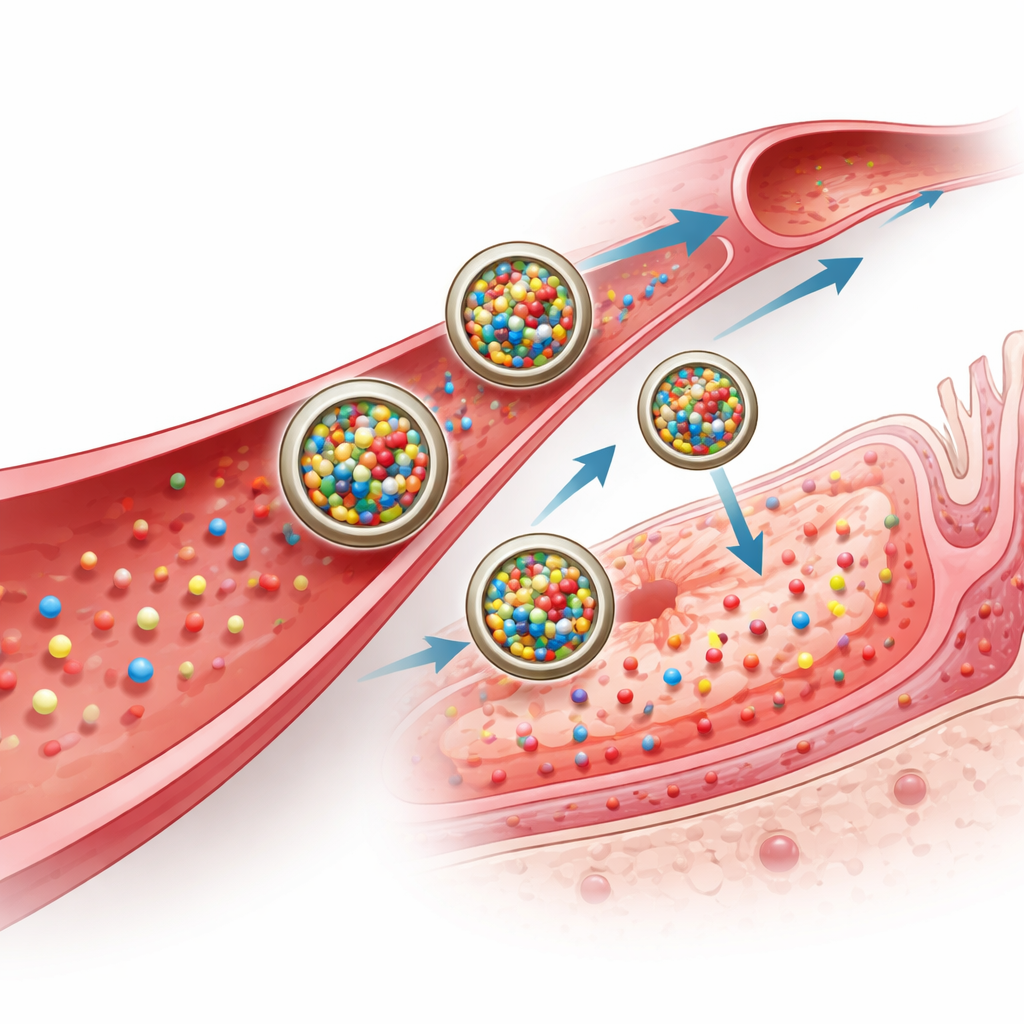
In preeclampsia and fetal growth restriction, blood vessels in the mother and the placenta do not relax properly, limiting blood flow and nutrient delivery to the baby. A key player in healthy vessel relaxation is nitric oxide, a short-lived gas made from the amino acid L-arginine; L-citrulline can be recycled into L-arginine. Giving these amino acids as supplements has shown promise in earlier studies, but they are cleared from the body quickly, so high and frequent doses are needed. The authors asked whether enclosing these amino acids in liposomes could act like a slow-release, targeted delivery system that improves their usefulness while still being safe in pregnancy.
Designing tiny carriers for natural nutrients
The researchers made liposomes using common membrane fats, plus a small amount of a coating that helps them circulate longer in the bloodstream. They filled them with L-arginine alone or with a 1:1 mix of L-arginine and L-citrulline. First, in healthy pregnant rats, they compared how quickly free L-arginine versus liposome-packaged L-arginine disappeared from the blood. Then, using a well-established rat model that mimics preeclampsia and fetal growth restriction by surgically reducing blood flow to the uterus, they treated animals daily with either the encapsulated mix, the same amino acids in free form, or a saltwater control. They measured blood pressure, fetal and placental weights, and how much of the amino acids and liposomes reached different organs.
Making the dose last longer and reach the placenta
Liposomal encapsulation dramatically changed how long L-arginine stayed in the circulation. Compared with free L-arginine, the encapsulated version produced more than a hundred-fold higher overall exposure in the blood and a much longer half-life, while leaking only modestly over several days. In the disease model, rats that received encapsulated L-arginine and L-citrulline had higher levels of both amino acids in their blood and in the placenta than animals given the same dose in free form. Only small amounts were detectable in fetal liver, suggesting limited direct passage to the fetus. Most of the liposomes themselves accumulated in the maternal liver and spleen, with only a minor fraction reaching the placenta, but that was still enough to boost placental amino acid levels.
Effects on blood pressure, fetal growth, and safety
In rats with reduced uterine blood flow, treatment with encapsulated amino acids lowered the mothers’ blood pressure by about 17 mmHg, while the free amino acids did not significantly differ from control under the same conditions. However, neither treatment improved fetal weight in this strict model of placental underperfusion. In healthy pregnant rats, encapsulated amino acids did increase both placental and fetal weights compared with the free form, hinting that the strategy can support growth when blood flow is not severely restricted. A notable side effect was enlarged spleens in all rats repeatedly given encapsulated amino acids, whether healthy or diseased, consistent with active uptake of liposomes by immune cells. Despite this, there were no obvious adverse changes in overall maternal or fetal weights during the study.
What this means for future treatments
For a lay reader, the take-home message is that packaging naturally occurring nutrients inside nanoscale fat bubbles helped them stay in the body longer, reach the placenta better, and safely reduce high blood pressure in a challenging pregnancy model, but it did not rescue poor fetal growth. The work shows that smarter delivery can make familiar molecules behave like more powerful drugs, yet also reveals new safety questions, such as the impact on the spleen and immune system. With further refinement to steer these liposomes more precisely to the placenta and to fine-tune dosing, this strategy could one day add a targeted, pregnancy-specific tool to support mothers with preeclampsia, while ongoing research explores how best to protect fetal growth as well.
Citation: van Kammen, C., Brink, M., Minnion, M. et al. Liposomal encapsulation of L-arginine and L-citrulline enhances pharmacokinetics and therapeutic effects in a model of preeclampsia and fetal growth restriction. Sci Rep 16, 13970 (2026). https://doi.org/10.1038/s41598-026-43958-y
Keywords: preeclampsia, fetal growth restriction, L-arginine, nanomedicine, liposomes