Clear Sky Science · en
Self-efficacy in the managing late sequelae in long-term breast cancer survivors in Spain
Life After Breast Cancer
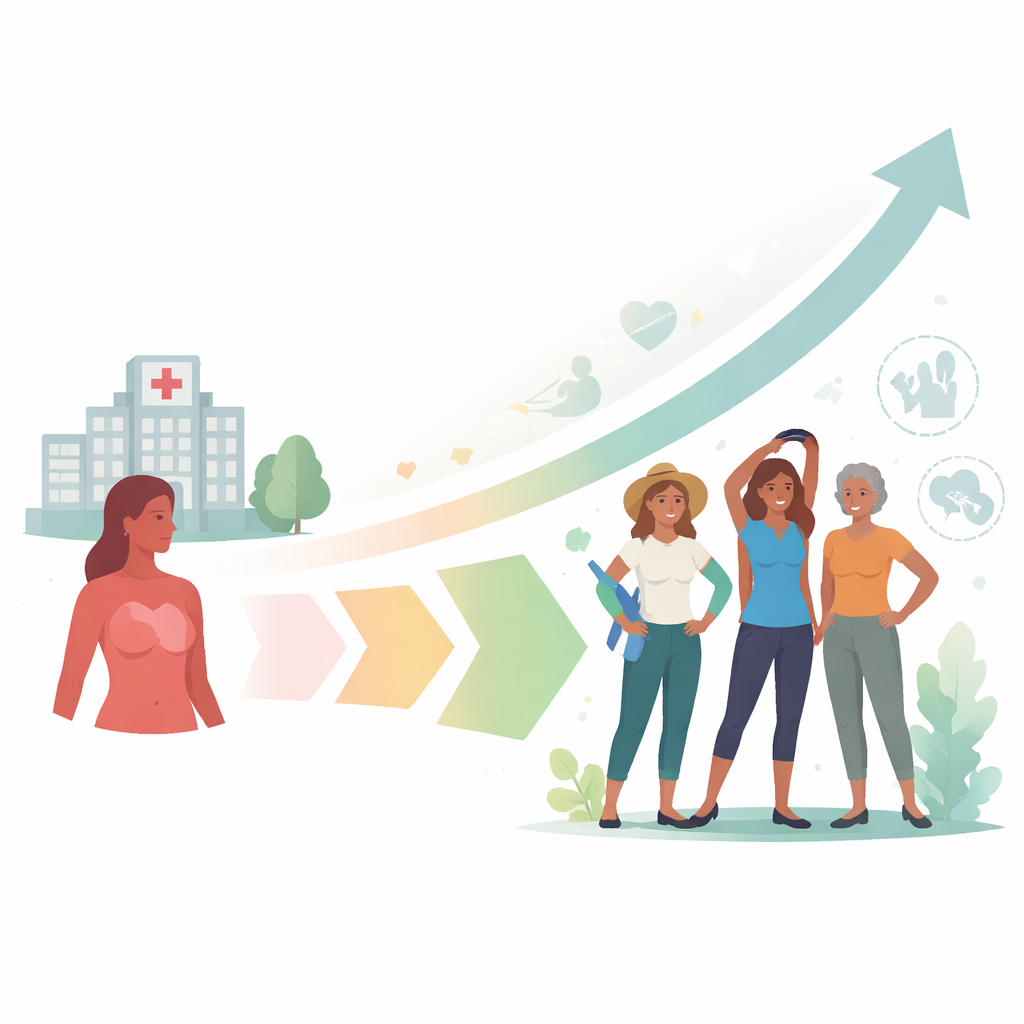
More women than ever are living many years after a breast cancer diagnosis, but survival does not always mean a return to “normal.” Fatigue, pain, emotional strain and other health problems can linger long after treatment ends. This study from Spain looks at how confident long-term breast cancer survivors feel about handling these lasting effects in their daily lives, and what factors may undermine that confidence. Understanding these patterns can help patients, families and health professionals better support life after cancer, not just life beyond cancer.
Why Confidence Matters
The researchers focused on a psychological resource called self-efficacy: a person’s belief that they can manage their symptoms, stay active and cope with challenges. Earlier work has shown that people with cancer who feel more capable tend to adopt healthier habits, cope better with stress and report a higher quality of life. Those with low confidence are more likely to feel overwhelmed, vulnerable and discouraged, which can worsen both mood and physical well-being. For long-term survivors who may still face pain, fatigue, emotional ups and downs and social or work difficulties, this inner sense of “I can handle this” becomes a central part of recovery.
Who Took Part in the Study
The team surveyed 188 women in Navarre, a region in northern Spain, who had finished their main breast cancer treatments at least five years earlier and had no current signs of disease. On average, they were 57 years old and had been living as survivors for about 10 years, with some having completed treatment more than three decades earlier. Information was gathered on age, education, work and family situation, type of surgery and treatment, other health problems, and lifestyle habits such as smoking, alcohol use and physical activity. The women completed a brief, validated questionnaire that asked how confident they felt in keeping fatigue, pain, emotional distress and other symptoms from interfering with what they wanted to do in everyday life.
What the Researchers Found
On a scale from 0 to 10, the women’s average confidence score was 6.4, suggesting a moderate ability to manage ongoing health issues. Their answers were fairly similar across questions, indicating a consistent view of their capabilities in physical and emotional domains. When the researchers compared scores across different groups, they found that women who did not smoke tended to feel more capable than those who did. More strikingly, survivors who reported other health conditions—such as additional chronic illnesses—had noticeably lower confidence than those without such problems. In contrast, self-efficacy was not clearly tied to age, years since treatment, education level, type of surgery, or whether the cancer had recurred in the past.
The Hidden Weight of Other Illnesses
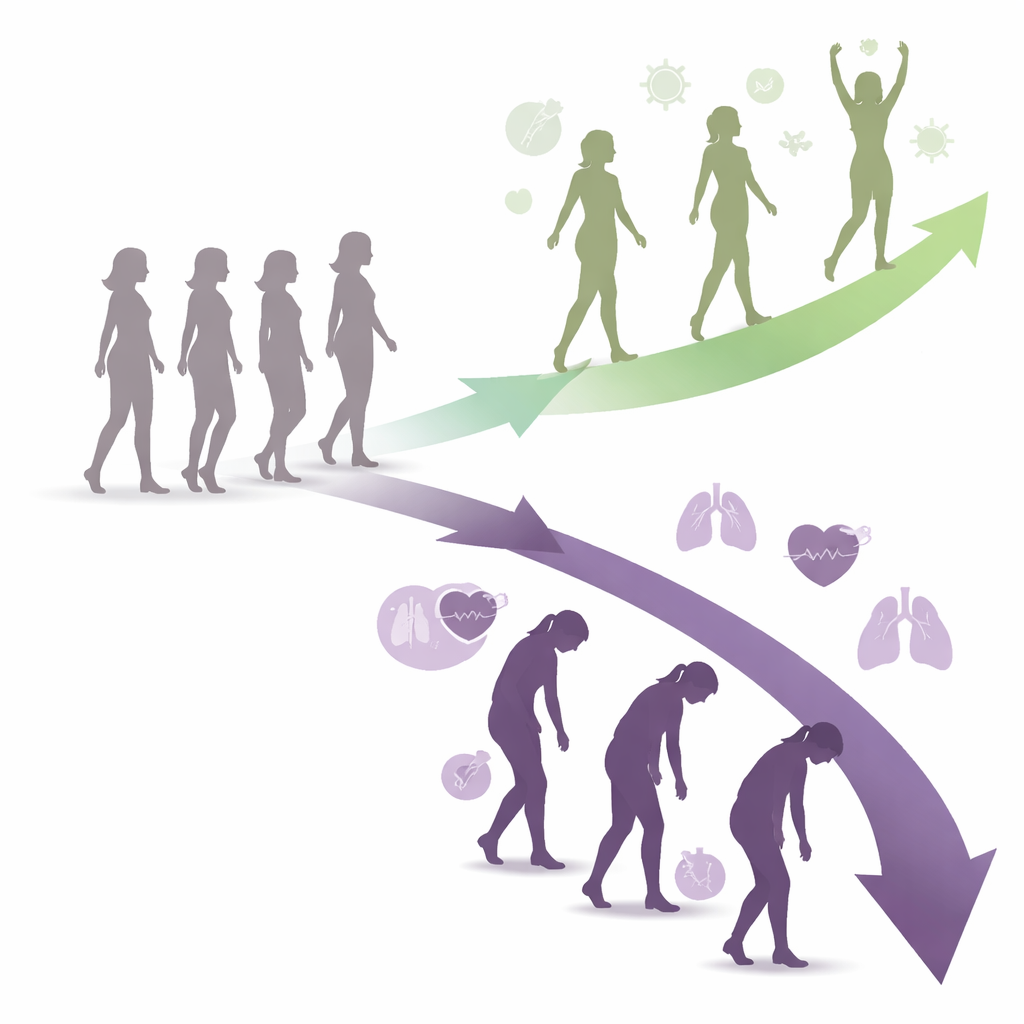
To tease apart which factors truly mattered, the team used a statistical model that examined all the variables together. In this more rigorous analysis, only the presence of other health problems remained a significant predictor of confidence. Women who were dealing with additional illnesses, beyond the long-term effects of breast cancer itself, reported lower self-efficacy. Although this single factor explained only a small portion of the differences in scores, the finding echoes patterns seen in people with multiple chronic conditions: as the number of health burdens grows, daily routines become more complex, symptoms pile up and people can feel less in control of their bodies and lives.
What This Means for Survivors and Care Teams
For a general reader, the key takeaway is that many long-term breast cancer survivors feel only moderately prepared to handle lingering physical and emotional challenges, and that extra health problems can chip away at their confidence. The authors argue that follow-up care should not end with tumor checks; it should also include simple ways to gauge survivors’ sense of control, along with education, counseling, social support and rehabilitation programs tailored to their needs. By strengthening survivors’ belief that they can manage fatigue, pain, mood changes and other issues—especially when additional illnesses are present—health systems can help turn years gained into years lived with better quality and greater independence.
Citation: Soto-Ruiz, N., Escalada-Hernández, P., Pimentel-Parra, G.A. et al. Self-efficacy in the managing late sequelae in long-term breast cancer survivors in Spain. Sci Rep 16, 13342 (2026). https://doi.org/10.1038/s41598-026-43904-y
Keywords: breast cancer survivorship, self-efficacy, long-term effects, comorbidities, quality of life