Clear Sky Science · en
Early levothyroxine sodium administration and clinical outcomes in patients with sepsis: a MIMIC-IV database analysis
Why this matters for people with severe infections
When someone develops sepsis, a life-threatening reaction to infection, their body’s hormones can swing wildly. Doctors have long wondered whether replacing dropped thyroid hormones might help the heart and lungs cope with this crisis. This study uses one of the world’s largest intensive care databases to ask a simple but urgent question: does giving the common thyroid drug levothyroxine to adults with sepsis actually help them, or might it do harm?
A common hormone in an uncommon situation
Thyroid hormones normally act like a metabolic “accelerator pedal,” helping the heart pump, the lungs breathe, and cells use energy. In many very ill patients, including those with sepsis, thyroid blood tests often look abnormal even though the thyroid gland itself is not diseased. This pattern, called non-thyroidal illness syndrome, has raised hopes that hormone replacement could support failing organs. At the same time, ramping up metabolism in a fragile body could backfire by increasing oxygen demand and causing dangerous heart rhythms. Because carefully controlled trials are scarce, the real-world impact of thyroid pills in sepsis has remained uncertain.
Mining ICU records for real-world answers
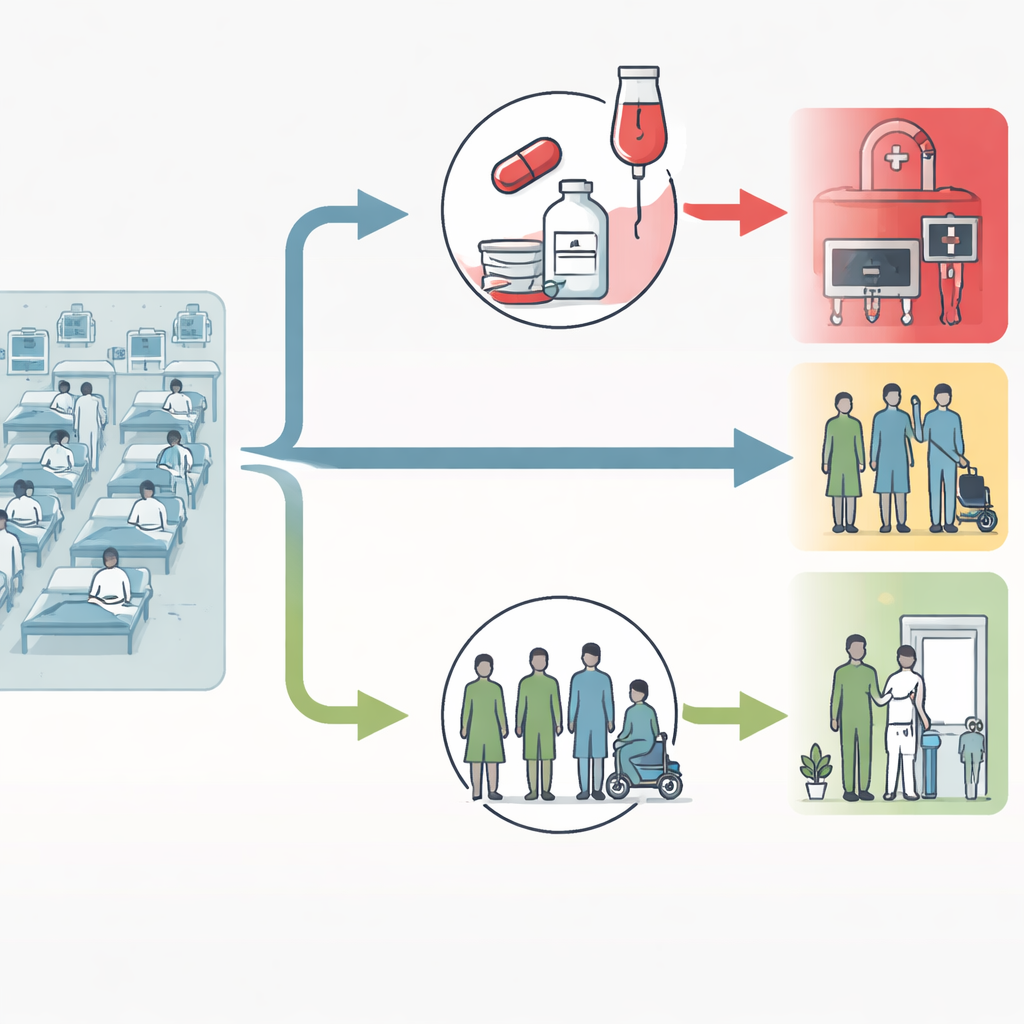
The researchers turned to the MIMIC-IV database, a detailed record of tens of thousands of intensive care stays at a major U.S. hospital. They identified over 41,000 adults who met modern criteria for sepsis and narrowed this to 20,231 first-time ICU patients who stayed at least a day and did not have known hypothyroidism. Within this group, 237 patients received levothyroxine within seven days of their sepsis diagnosis, while nearly 20,000 did not. Because the treated patients tended to be sicker at the outset, the team used a statistical technique called propensity score matching to pair each treated patient with four similar untreated patients, balancing age, illness severity, and other medical conditions as closely as possible.
What happened to patients who got thyroid pills
Even after this careful matching, patients who received levothyroxine fared worse. Over the first 28 days, their risk of death was more than doubled compared with similar patients who did not receive the drug. In addition, they needed stronger and longer-lasting support to keep their blood pressure up: doses of medicines like norepinephrine were higher and ran for more hours, reflecting more unstable circulation. When the team tracked daily status over four weeks, those given levothyroxine spent fewer days alive without a breathing machine and fewer days alive and already discharged from the hospital. Importantly, the length of stay in the intensive care unit and overall changes in a standard organ-failure score did not improve with treatment.
A warning sign in milder sepsis
The sepsis patients in this study were, on average, not the sickest of the sick; their organ-failure scores were relatively low, suggesting a milder end of the sepsis spectrum compared with patients in some prior trials. The authors note that earlier small studies hinted thyroid therapy might help only the most severely affected people with both major thyroid hormone levels reduced, while potentially harming others. In this real-world cohort, thyroid hormone was used rarely and mainly at doctors’ discretion, mirroring practice in many hospitals. The new findings suggest that, at least for patients with less extreme sepsis, adding levothyroxine may tip the balance toward more complications rather than recovery.
What this means for patients and clinicians
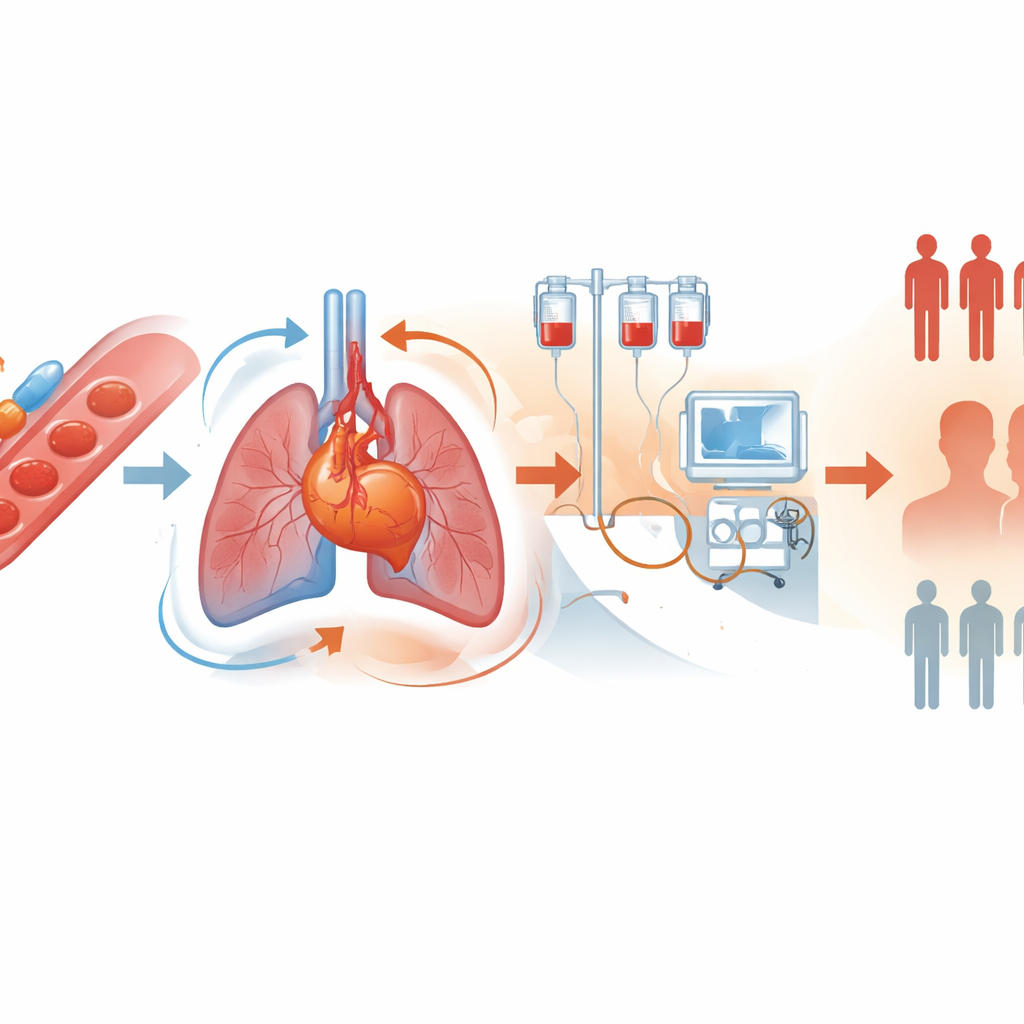
Overall, the study concludes that giving levothyroxine early in the course of sepsis was linked to higher death rates and greater need for life-support drugs, without any clear survival or organ-recovery benefit. Because the analysis is retrospective, it cannot prove that the hormone caused the harm, and unmeasured differences between groups may still play a role. Even so, the results serve as a strong caution signal: routinely “topping up” thyroid hormone in sepsis is not supported by current evidence and may be dangerous for many patients. The authors argue that thyroid supplementation in sepsis should be reserved, if at all, for carefully designed clinical trials that closely monitor hormone levels, timing, and dosing to identify if any subgroup truly benefits.
Citation: Chu, J., Chen, M., Guo, J. et al. Early levothyroxine sodium administration and clinical outcomes in patients with sepsis: a MIMIC-IV database analysis. Sci Rep 16, 14614 (2026). https://doi.org/10.1038/s41598-026-43822-z
Keywords: sepsis, thyroid hormone, levothyroxine, intensive care, critical illness hormones