Clear Sky Science · en
Protective role of IRG1/itaconate in acute myocardial injury: association with NLRP3 inflammasome and oxidative stress
Why heart damage in infections matters
Severe infections like sepsis do not just cause high fevers and low blood pressure; they can also quietly damage the heart. When this happens, the risk of death rises sharply. Yet doctors still lack targeted ways to shield the heart during sepsis. This study explores a natural small molecule made by our own cells, called itaconate, and asks whether boosting this internal defense system can protect the heart from the toxic storm unleashed by bacterial components in the bloodstream.
A natural shield inside our cells
Itaconate is produced in immune and other cells from a gene called IRG1 as part of normal energy metabolism. In recent years, it has emerged as a powerful brake on inflammation and harmful oxygen-based chemicals. The researchers used a mouse model in which a bacterial toxin, lipopolysaccharide (LPS), triggers a sepsis-like state and acute heart injury. They first measured levels of IRG1 and itaconate in heart tissue after LPS exposure. Both the gene and the metabolite rose sharply, and their levels closely tracked one another, suggesting the heart may switch on this pathway as a built-in protective response against inflammatory damage. 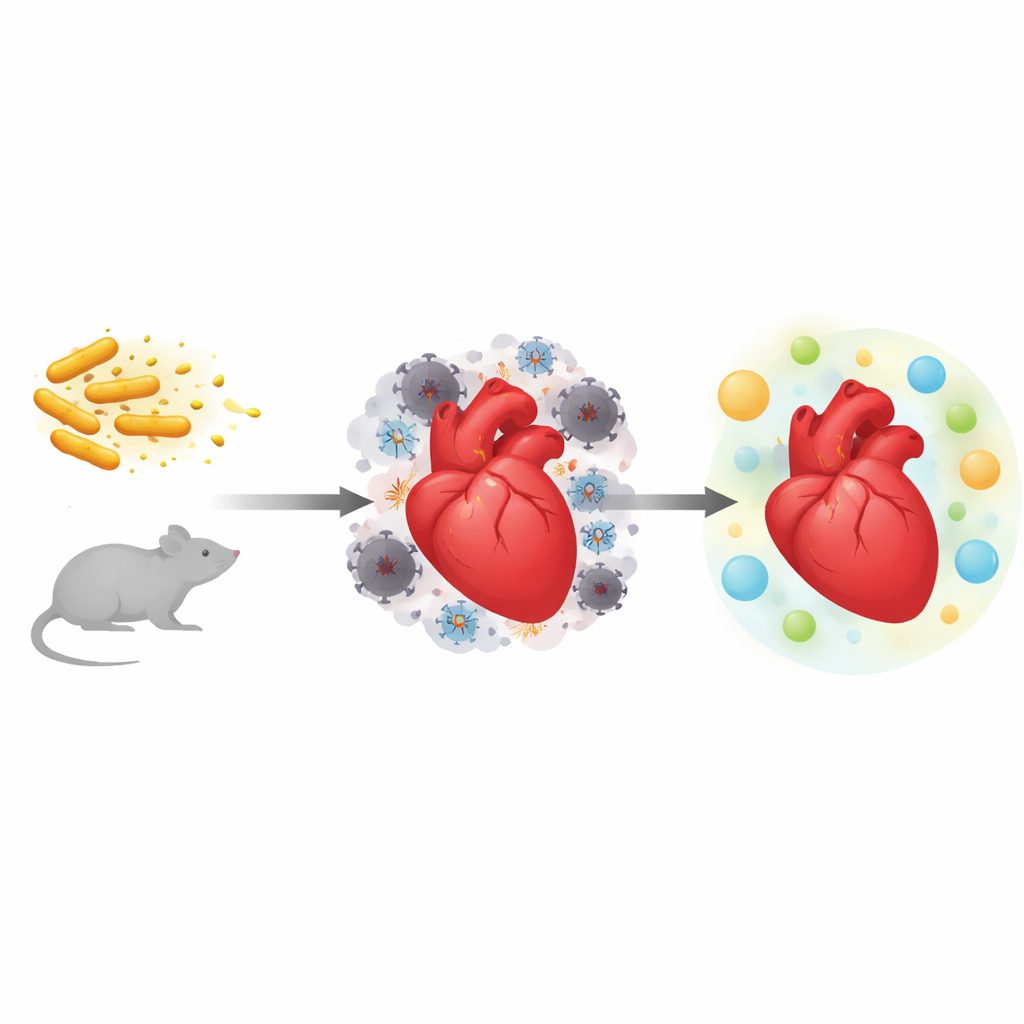
What happens when this shield is missing
To test how important this pathway is, the team compared normal mice with animals genetically engineered to lack IRG1, and therefore unable to make itaconate. Under resting conditions, both types of mice had similar hearts. But after exposure to LPS, the differences were stark. Mice without IRG1 showed higher blood levels of standard markers of heart damage, more inflammatory cells invading heart tissue, and more severe structural disruption of heart muscle under the microscope. Heart pumping function, measured by ultrasound, dropped further in knockout mice than in normal animals, and their survival over the following days was worse, indicating that loss of IRG1 makes sepsis-related heart failure more deadly.
A drug-like version of itaconate
The investigators next asked whether adding extra itaconate could help. Because natural itaconate does not easily enter cells, they used a modified form called 4-octyl itaconate (4-OI) that can cross cell membranes. Mice received 4-OI shortly before LPS. In both normal and IRG1-deficient animals, this treatment lowered blood markers of heart injury, reduced inflammatory molecules such as TNF-α and IL-6 in heart tissue, and lessened the visible damage and inflammatory cell build-up in the heart. Ultrasound tests showed that hearts in the 4-OI groups kept a stronger squeeze and more normal chamber sizes. In IRG1-lacking mice, which are especially vulnerable, 4-OI pretreatment also improved survival, suggesting that supplementing this pathway can compensate for the missing gene.
Dialing down inflammation and oxidative stress
To uncover how itaconate exerts these benefits, the study focused on two damaging processes: activation of an inflammatory protein complex called the NLRP3 inflammasome, and oxidative stress, in which reactive oxygen species and related damage overwhelm cellular defenses. Mice missing IRG1 showed stronger activation of NLRP3-related proteins in the heart after LPS, together with higher levels of chemical markers of lipid damage, disturbed antioxidant balance, and DNA oxidation. Treatment with 4-OI reversed many of these changes: it reduced the buildup of reactive species and damage markers, dampened NLRP3-related proteins, and at the same time boosted a key protective pathway controlled by the sensor Nrf2 and its downstream antioxidant enzymes. These shifts paint a coherent picture in which IRG1-derived itaconate, or its drug-like form, calms inflammatory machinery and restores redox balance inside heart cells. 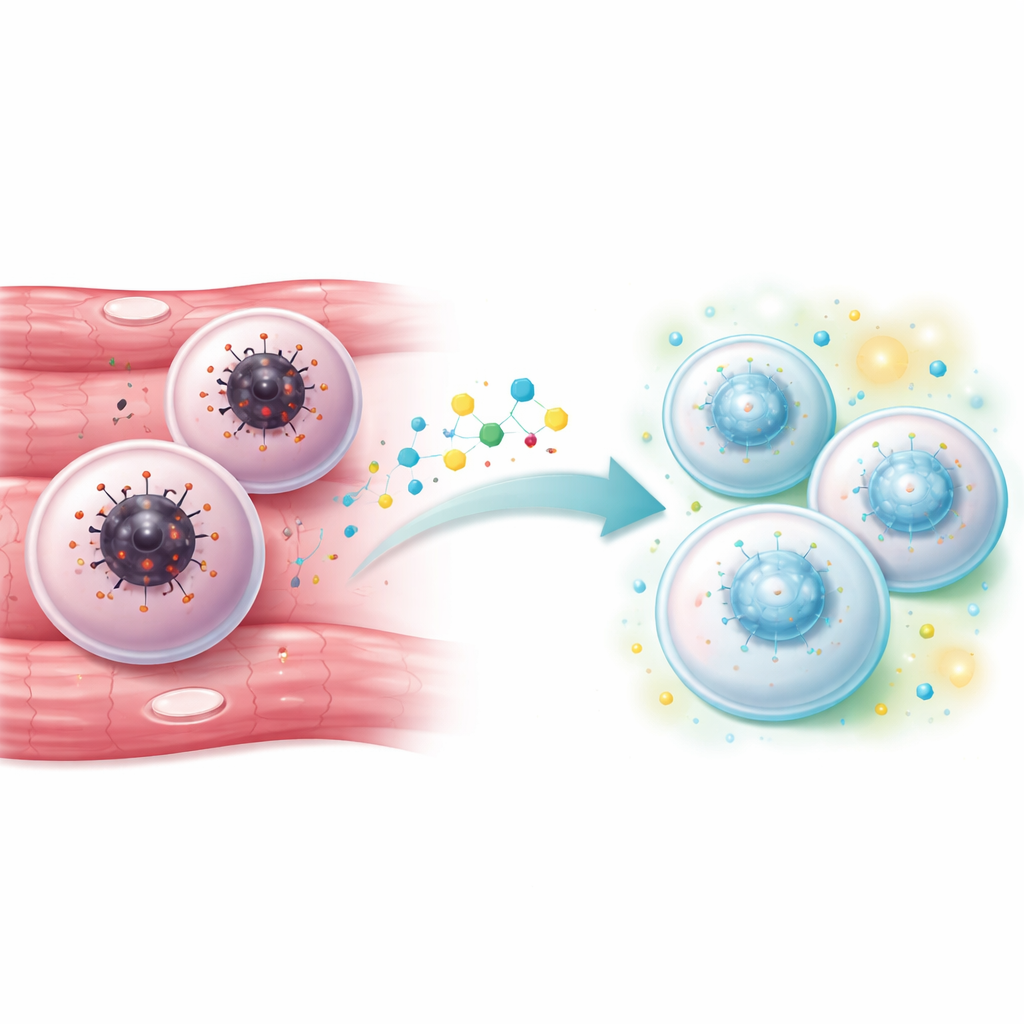
What this could mean for patients
Taken together, the findings suggest that the IRG1/itaconate system acts as an internal safety valve during sepsis, helping the heart withstand the twin assaults of runaway inflammation and oxidative stress. When this valve is missing, heart injury is worse; when it is boosted with 4-OI, damage and heart dysfunction are reduced in a mouse model. While these results are still confined to laboratory animals and 4-OI has only been tested as a preventive pretreatment, they raise the possibility that future drugs inspired by itaconate could one day be used to protect the hearts of patients with severe infections, provided that safety, timing, and dosing can be carefully worked out in human studies.
Citation: Chen, H., Fan, K., Xiang, S. et al. Protective role of IRG1/itaconate in acute myocardial injury: association with NLRP3 inflammasome and oxidative stress. Sci Rep 16, 13365 (2026). https://doi.org/10.1038/s41598-026-43821-0
Keywords: sepsis-induced cardiomyopathy, itaconate, NLRP3 inflammasome, oxidative stress, Nrf2 pathway