Clear Sky Science · en
Baicalein inhibits human neutrophil myeloperoxidase and protects mice from LPS-induced lung inflammation
Why a Herbal Compound Caught Scientists’ Attention
Pneumonia remains one of the leading causes of illness and death worldwide, especially in children, yet current treatments focus mainly on killing germs rather than calming the body’s damaging overreaction. This study investigates baicalein, a natural substance extracted from the root of the traditional Chinese herb Scutellaria baicalensis, to see whether it can protect lungs from severe inflammation triggered by bacterial components. By exploring how this plant compound acts in a well‑established mouse model of lung injury, the researchers hope to point the way toward gentler therapies that ease inflammation without suppressing the immune system entirely. 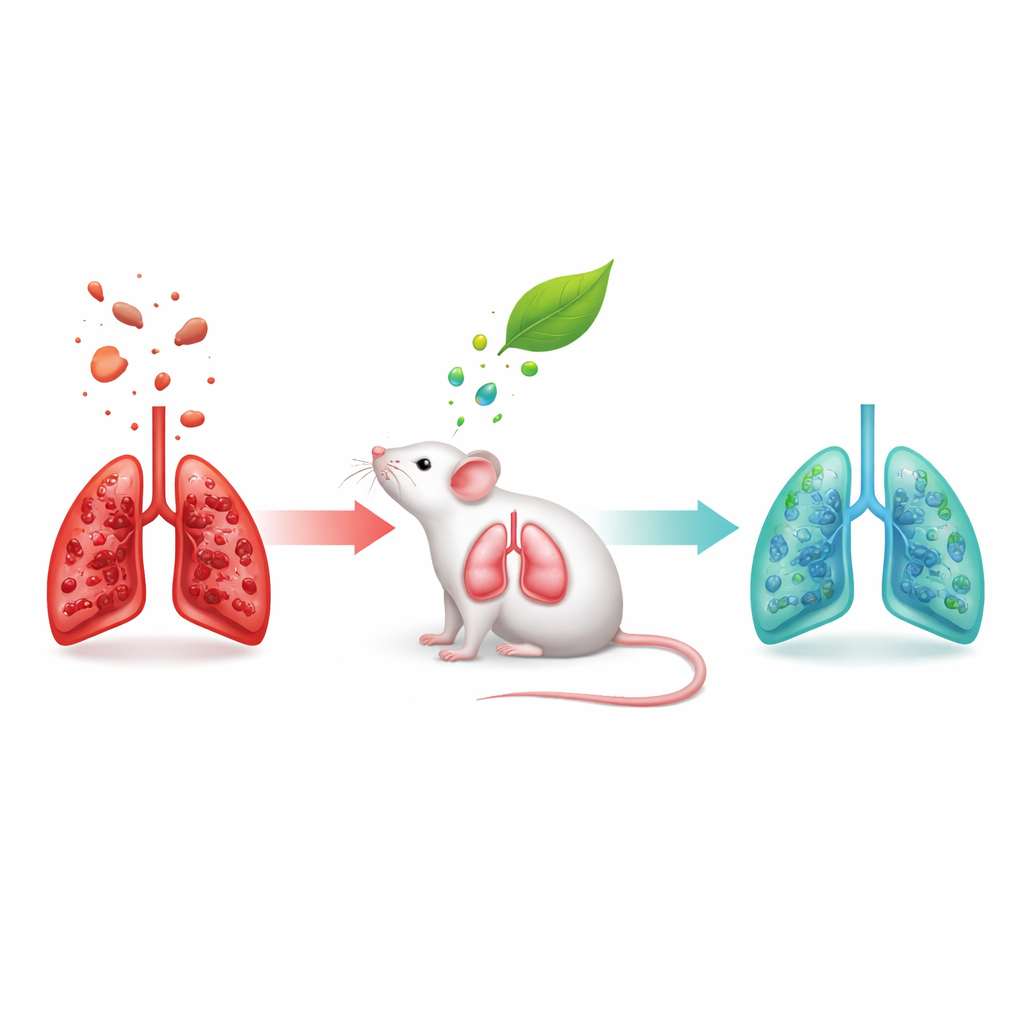
How the Researchers Mimicked Severe Lung Infection
To model pneumonia, the scientists exposed mice to lipopolysaccharide, or LPS, a molecule found on the surface of many harmful bacteria that strongly provokes the immune system. They delivered LPS directly into the windpipe, causing rapid lung inflammation, fluid buildup, and breathing problems similar to a serious infection. Some animals were given baicalein by injection before this challenge, while others received only a harmless solution. After 24 hours, the team assessed lung structure under the microscope and measured how easily air could move in and out using a specialized lung function system, providing both visual and mechanical readouts of injury.
What Baicalein Did to Lung Damage and Immune Cells
Mice that received LPS alone developed badly damaged lungs: the air sacs were swollen with fluid, and many immune cells crowded into the delicate tissue. Lung function tests showed stiff, less elastic lungs that were harder to inflate and deflate. In contrast, animals treated with baicalein before LPS had far milder changes. Their lung tissue looked closer to normal, with less fluid accumulation and fewer invading cells. Measurements of the fluid collected from the airways showed that baicalein reduced overall cell numbers and specifically lowered the count of neutrophils, a type of white blood cell that is a powerful but potentially destructive first responder in infection. 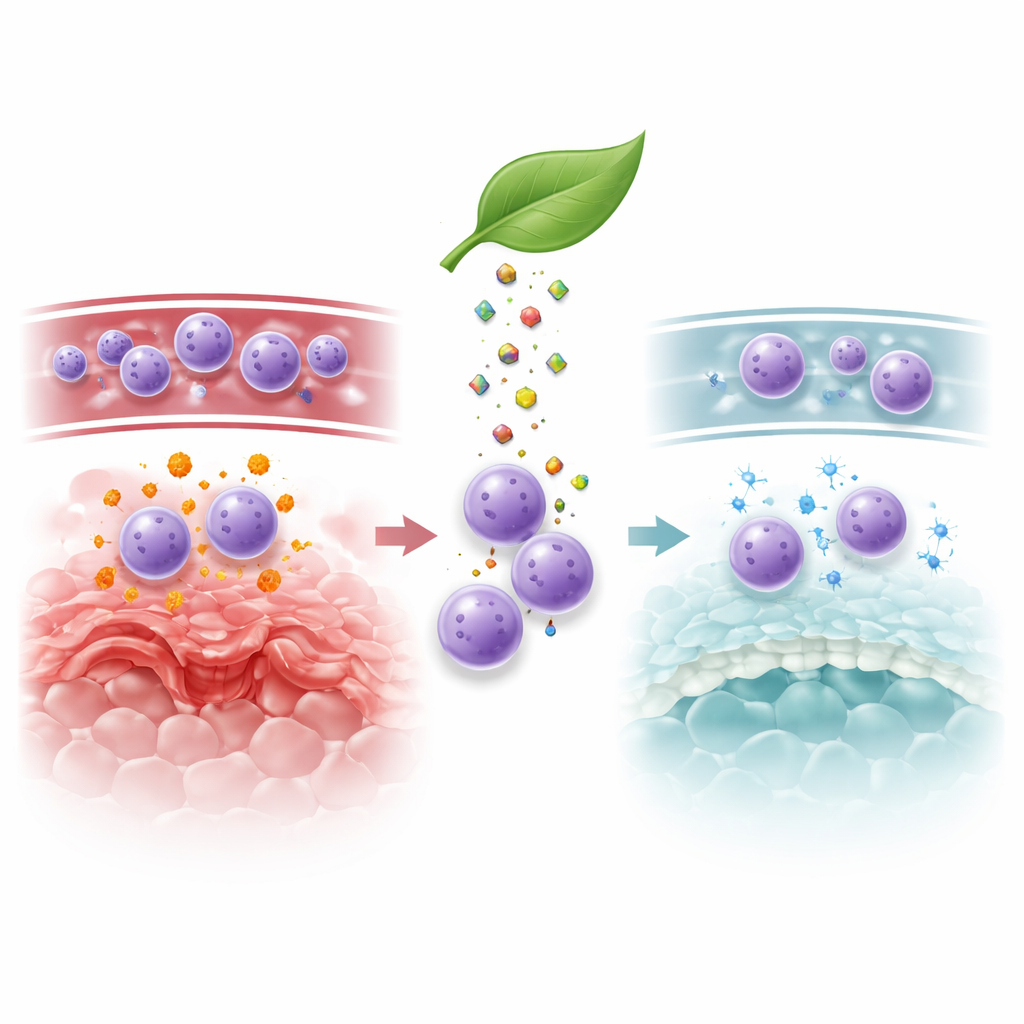
Calming the Chemical Storm Inside the Lungs
The team then examined the chemical signals that drive inflammation. In untreated LPS‑exposed mice, levels of key pro‑inflammatory messengers such as TNF‑α, IL‑1α, IL‑1β, and IL‑6 surged in both lung tissue and airway fluid. Baicalein markedly blunted this surge, suggesting that it helps shift the immune response from a runaway fire back toward a controlled burn. The compound also reduced the activity of myeloperoxidase, a potent enzyme released by neutrophils, and lowered the production of reactive oxygen species—highly reactive molecules that can injure surrounding cells. In addition, enzymes that break down the tissue scaffold, known as matrix metalloproteinases, were less active in baicalein‑treated animals, hinting that the compound helps preserve the lung’s structural integrity.
Switching Off a Key Alarm Pathway
To understand how baicalein exerts these wide‑ranging effects, the researchers focused on a major alarm system in immune cells called the TLR4/NF‑κB pathway. LPS normally flips this switch on, leading to the rapid production of inflammatory proteins and recruitment of more neutrophils. In lung samples from LPS‑treated mice, markers of this pathway were strongly elevated. When baicalein was given, the levels of these proteins fell, and staining of lung sections confirmed weaker activation in the tissue. This suggests that baicalein works at an early control point, toning down the very signal that tells the lungs to launch an aggressive inflammatory response.
What This Could Mean for Future Treatments
Taken together, the findings show that baicalein can protect mouse lungs from severe, LPS‑induced inflammation by reducing fluid buildup, limiting the influx and activation of neutrophils, and damping down the chemical and oxidative assaults they unleash. By targeting a central alarm pathway while also directly curbing a powerful enzyme called myeloperoxidase, this natural molecule acts on several fronts to spare lung tissue from collateral damage. Although more work is needed before translating these results to children or adults with pneumonia, the study lends scientific support to a traditional remedy and highlights myeloperoxidase and the TLR4/NF‑κB pathway as promising targets for new, more nuanced treatments of inflammatory lung disease.
Citation: Wei, C., Shang, J., Gao, N. et al. Baicalein inhibits human neutrophil myeloperoxidase and protects mice from LPS-induced lung inflammation. Sci Rep 16, 14373 (2026). https://doi.org/10.1038/s41598-026-43806-z
Keywords: pneumonia, lung inflammation, baicalein, neutrophils, oxidative stress