Clear Sky Science · en
Gender disparities in comprehensive knowledge of HIV among adolescents and young adults in Ethiopia: A decomposition analysis
Why this matters for young people
Across the globe, HIV still affects millions of people, but it does not affect everyone equally. Teenagers and young adults in sub-Saharan Africa, especially young women, face a much higher risk of infection. This study looks at one key piece of the puzzle in Ethiopia: how well young men and women understand how HIV is spread and how it can be prevented. By uncovering why young women know less, the research points to practical ways to protect those who are most at risk.
Looking closely at young lives in Ethiopia
The researchers analysed national survey data collected in 2016 from more than ten thousand Ethiopians aged 15 to 24. These adolescents and young adults answered standard questions used around the world to judge whether someone has a solid grasp of HIV: knowing that a healthy-looking person can have the virus, recognising that condoms and one faithful partner can reduce risk, and rejecting common myths such as transmission through mosquito bites or sharing food. Anyone who answered all five questions correctly was counted as having "comprehensive" knowledge.
A wide gap between young women and men
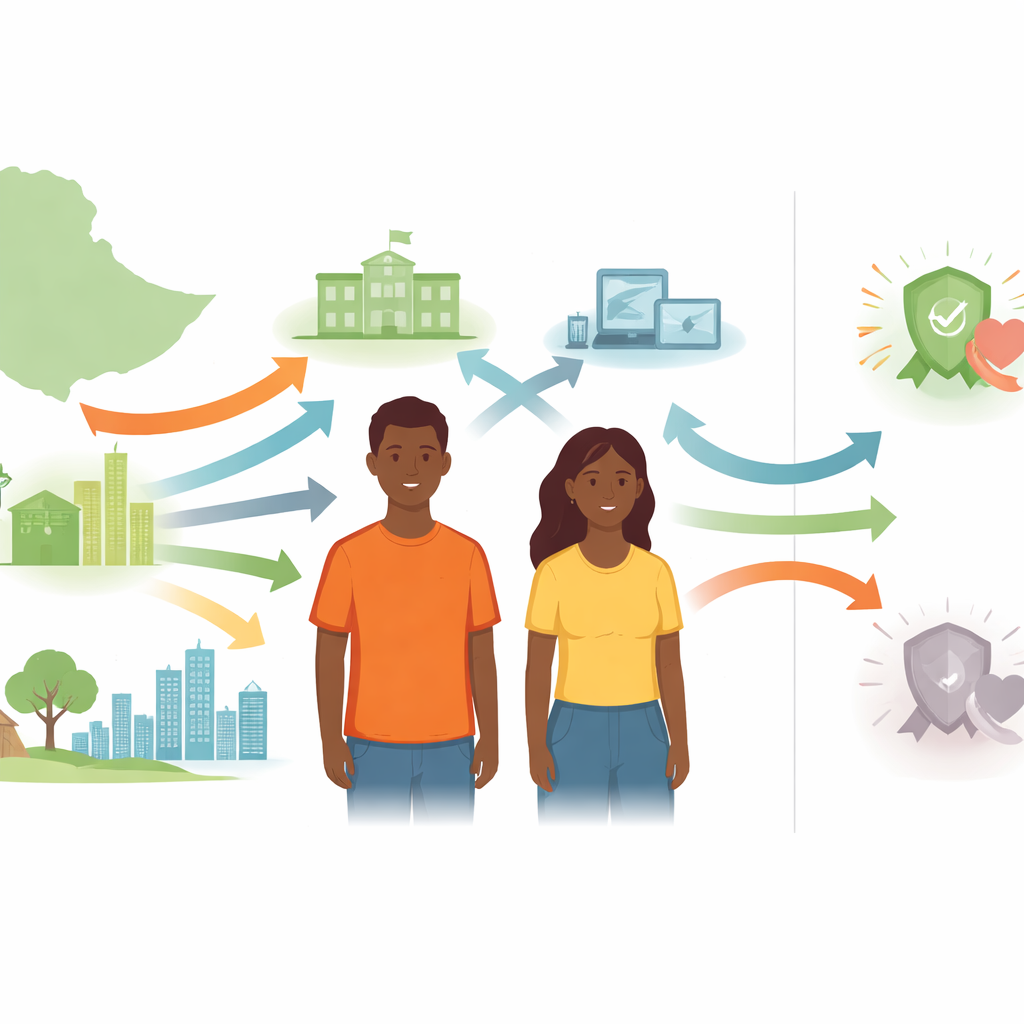
The results revealed a stark gender divide. Only about three in ten young Ethiopians had comprehensive HIV knowledge. When broken down by gender, nearly four in ten young men met this standard, but only about one in four young women did. This gap appeared in nearly every group the researchers examined. Whether they looked at teenagers or those in their early twenties, married or unmarried youth, city or rural residents, men still knew more than women about how to avoid infection. Urban youth generally understood HIV better than their rural peers, but even there, young women lagged behind young men.
How schooling, work, and media shape knowledge
To move beyond simple averages, the team used a statistical technique that separates the gender gap into two parts: differences in opportunities and differences in how much those opportunities "pay off." They found that about 43 percent of the gap could be explained by the fact that young men and women do not have the same life circumstances. Young men were more likely to be working, to have at least primary schooling, and to be regularly exposed to television, radio, or other media. Each of these factors is linked to better HIV knowledge. For example, employment alone accounted for more than a quarter of the explained difference, while media exposure and basic schooling also played important roles. Young people who used the internet or followed mass media tended to have far better understanding of HIV.
Hidden inequalities beyond access
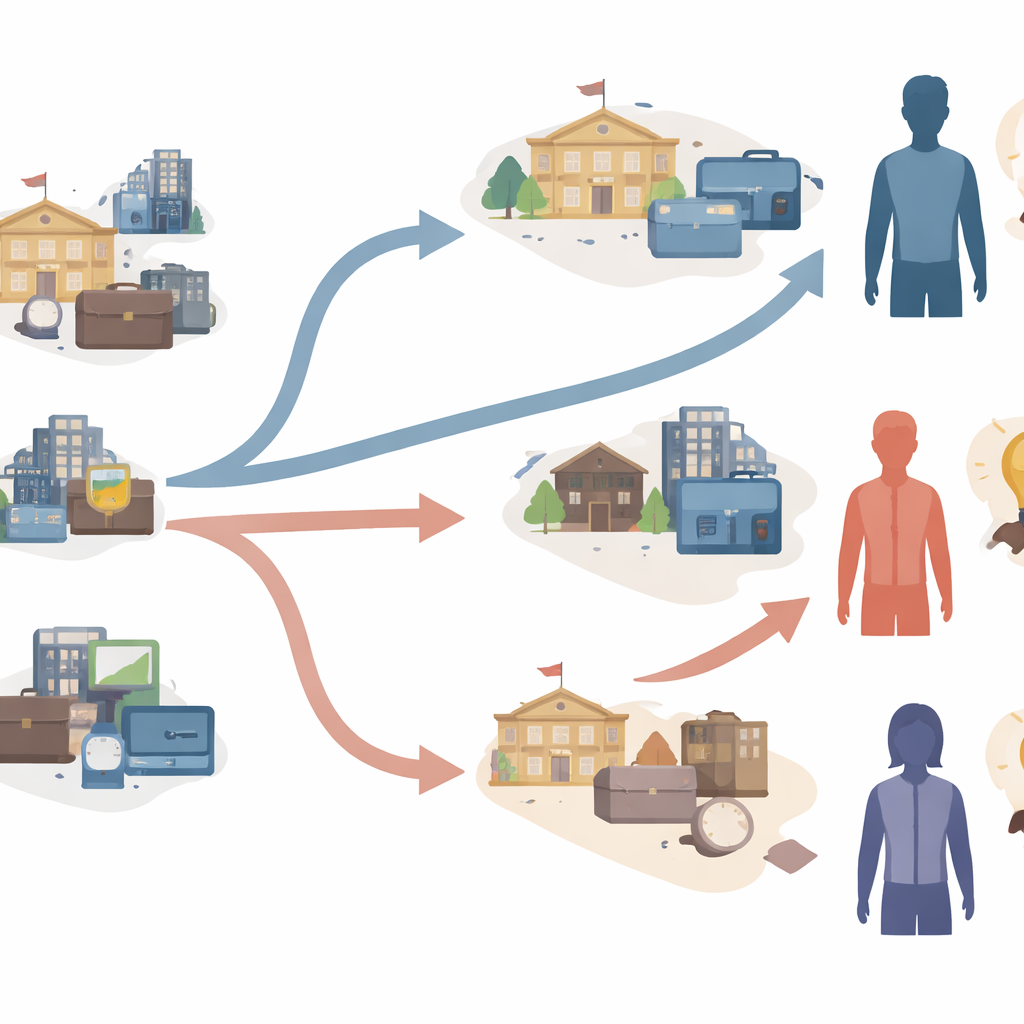
Even when young men and women had similar backgrounds, they did not benefit equally. The remaining 57 percent of the gender gap came from differences in how strongly these factors translated into knowledge. Living in the countryside, for instance, seemed to hurt young women’s understanding more than men’s. Employment and the type of region also affected the two genders differently. Surprisingly, the same level of primary or secondary education often boosted men’s HIV knowledge more than women’s, suggesting that what happens inside schools, workplaces, and communities may favour boys’ access to information or limit girls’ ability to ask questions about sexual health. Social norms that discourage open talk about sex with girls, or that keep women out of public discussions, likely contribute to these uneven "returns" on education and work.
Turning evidence into protection
For a layperson, the take-home message is straightforward: in Ethiopia, young women face a higher risk of HIV while also knowing less about how to protect themselves, and this is not simply because they are poorer or less educated. The study shows that both unequal access to schooling, jobs, and media and the way society treats young women within these settings combine to hold back their HIV knowledge. To close this gap, the authors argue for gender-sensitive HIV education that targets adolescent girls and young women where they live, learn, and work. Strengthening school lessons, community programs, and media campaigns with girls in mind could help ensure that every young person—especially those most vulnerable—has the information they need to stay healthy.
Citation: Yizengaw, M.T., Alemu, S.B., Belay, A. et al. Gender disparities in comprehensive knowledge of HIV among adolescents and young adults in Ethiopia: A decomposition analysis. Sci Rep 16, 12634 (2026). https://doi.org/10.1038/s41598-026-43778-0
Keywords: HIV knowledge, adolescents and youth, gender inequality, Ethiopia, HIV prevention