Clear Sky Science · en
Autoantibodies against nephrin and podocin are associated with disease severity and steroid dependence in adult-onset nephrotic syndrome
Why this kidney study matters
Our kidneys quietly filter the blood thousands of times a day, but when their filters fail, people can suddenly swell up, lose large amounts of protein in their urine, and face years of powerful drug treatments. This condition, called nephrotic syndrome, often strikes in adulthood without a clear cause. The study summarized here asks a practical question with big consequences: can we use signals in the blood—specifically antibodies that attack key filter proteins—to identify which patients have more severe disease and are likely to become dependent on steroid medicines?
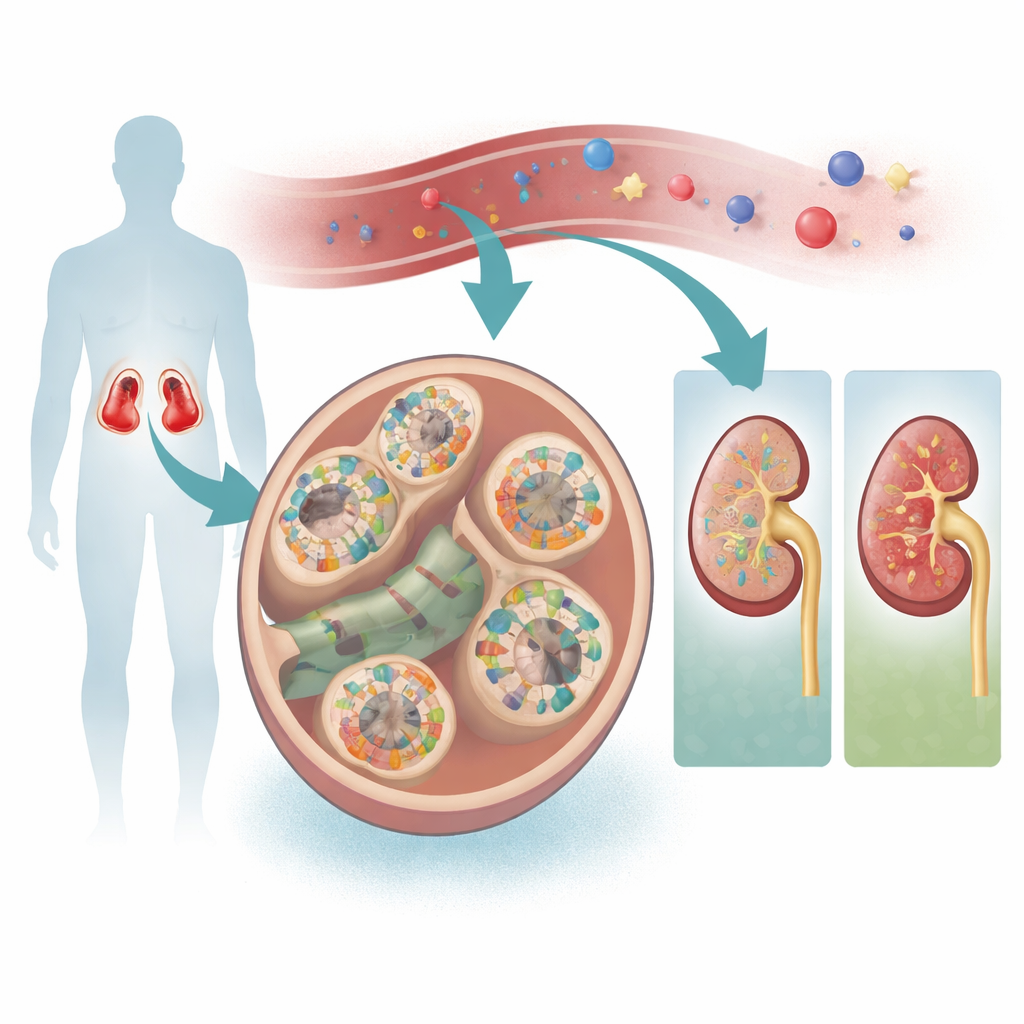
The body’s filters under attack
Each kidney contains millions of tiny sieves made of special cells called podocytes. These cells clasp together like interlocking fingers, leaving narrow gaps bridged by a protein “zipper” known as the slit diaphragm. Two of its crucial pieces are proteins called nephrin and podocin. In many adults with nephrotic syndrome, doctors cannot point to a single gene mutation or obvious external trigger. Instead, mounting evidence suggests the immune system sometimes misfires and makes antibodies that latch onto these slit-diaphragm proteins, disturbing the filter and allowing protein to spill into the urine.
Who was studied and what was measured
The researchers reviewed 114 Japanese adults with biopsy-proven nephrotic syndrome. These patients had one of three main diagnoses: minimal change nephrotic syndrome, focal segmental glomerulosclerosis, or membranous nephropathy (further split into forms linked to two known kidney antigens). Before any immune-suppressing treatment, blood samples were collected and tested using a sensitive laboratory method to measure antibodies directed against nephrin and podocin. Cutoff values were set so that none of the healthy volunteers tested positive, ensuring that only clearly elevated levels counted as abnormal.
Different antibodies tell different stories
The team found that antibodies against nephrin were common in adults with minimal change nephrotic syndrome and present in a smaller fraction of those with focal segmental glomerulosclerosis, but they were rare in membranous nephropathy. In contrast, antibodies against podocin appeared across several disease types and were especially frequent in a subgroup of membranous nephropathy. Patients who had either type of antibody tended to arrive at the hospital with more severe illness: they spilled more protein in their urine and had somewhat worse kidney function than patients without these antibodies, suggesting that the immune attack and the clinical damage go hand in hand.
Clues to relapse and steroid dependence
Many adults with nephrotic syndrome first respond well to steroid drugs, but some quickly relapse whenever the dose is reduced, becoming “steroid dependent” and needing repeated or prolonged treatment with significant side effects. In this study, overall remission rates were high regardless of antibody status. However, when the researchers looked at patients followed for at least two years, those with antibodies to nephrin and/or podocin were more likely to develop steroid dependence than those without antibodies. People who had both antibodies showed the highest risk, and even individuals who lacked anti-nephrin antibodies but had anti-podocin antibodies frequently became steroid dependent. Statistical models that adjusted for age, sex, and standard lab values still found antibody positivity to be an independent warning sign.
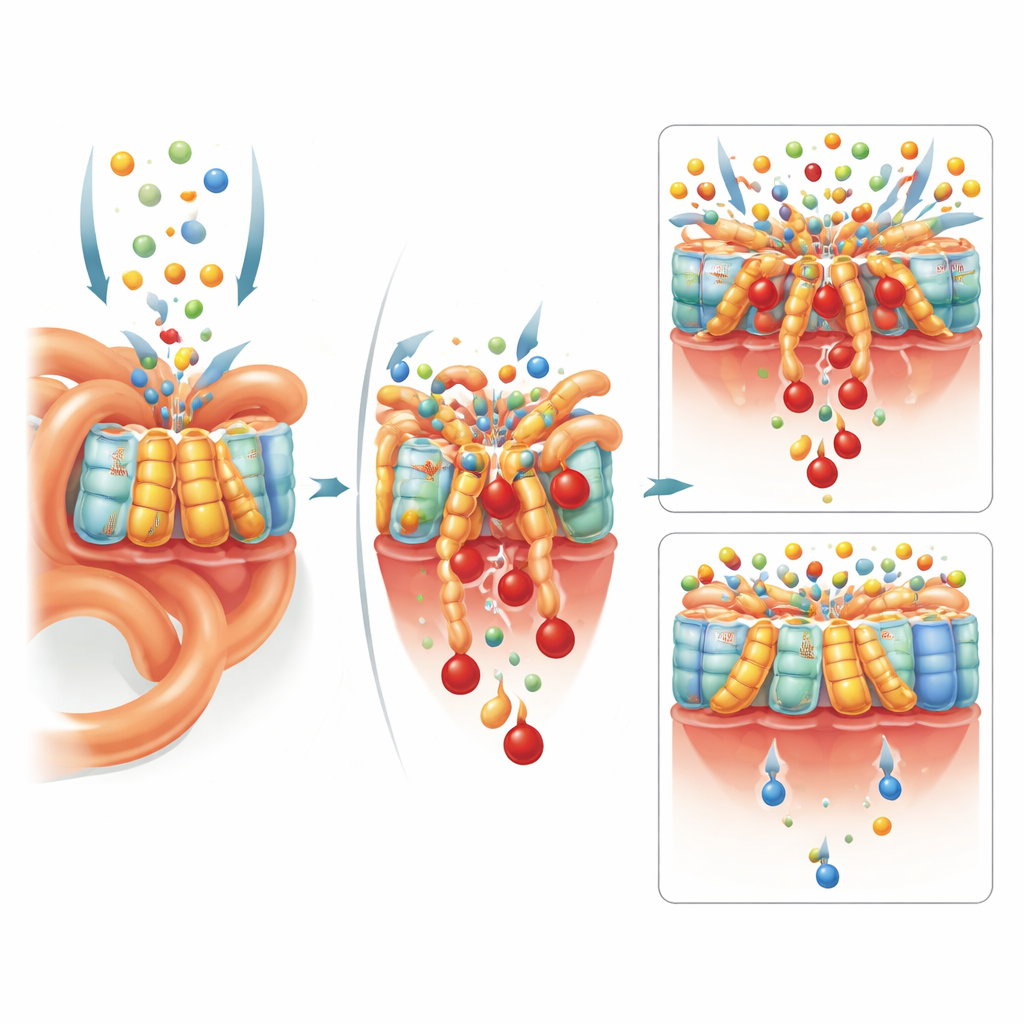
Antibodies that rise and fall with disease activity
For a smaller group of patients, blood samples were available both during the active disease phase and after successful treatment. In these paired samples, nephrin-directed antibodies vanished once the patients reached remission. Podocin-directed antibodies also dropped substantially, though in a few people they remained detectable at low levels. This rise-and-fall pattern suggests that these antibodies are not static background features but instead track with ongoing injury at the kidney filter and might serve as a blood-based marker of disease activity.
What this means for patients and doctors
Altogether, the findings support a picture in which antibodies against nephrin point to a more specific autoimmune form of minimal change disease, while antibodies against podocin may signal general podocyte damage across several kidney disorders. Testing for both could help doctors gauge how aggressive the disease is at the start and identify patients who are more likely to become dependent on steroids, even though the results are still too limited to define a hard cutoff for clinical decisions. As larger studies confirm and refine these observations, a simple blood test for these antibodies could become part of the toolkit for personalizing treatment in adult-onset nephrotic syndrome, reducing guesswork and potentially sparing some patients from years of trial-and-error therapy.
Citation: Hayashi, N., Akai, R., Kagaya, Y. et al. Autoantibodies against nephrin and podocin are associated with disease severity and steroid dependence in adult-onset nephrotic syndrome. Sci Rep 16, 13724 (2026). https://doi.org/10.1038/s41598-026-43612-7
Keywords: nephrotic syndrome, kidney autoantibodies, nephrin, podocin, steroid dependence